If you’ve ever thought about installing a wood stove in your home, you’re not alone. Many homeowners believe that a wood stove offers comfort and warmth to any living space. It adds a cozy, unique ambiance to a home. However, installing one can be both exciting and challenging, especially if you have no idea what you’re doing. For example, after the stove is already in place, do you know what to do to vent it safely?
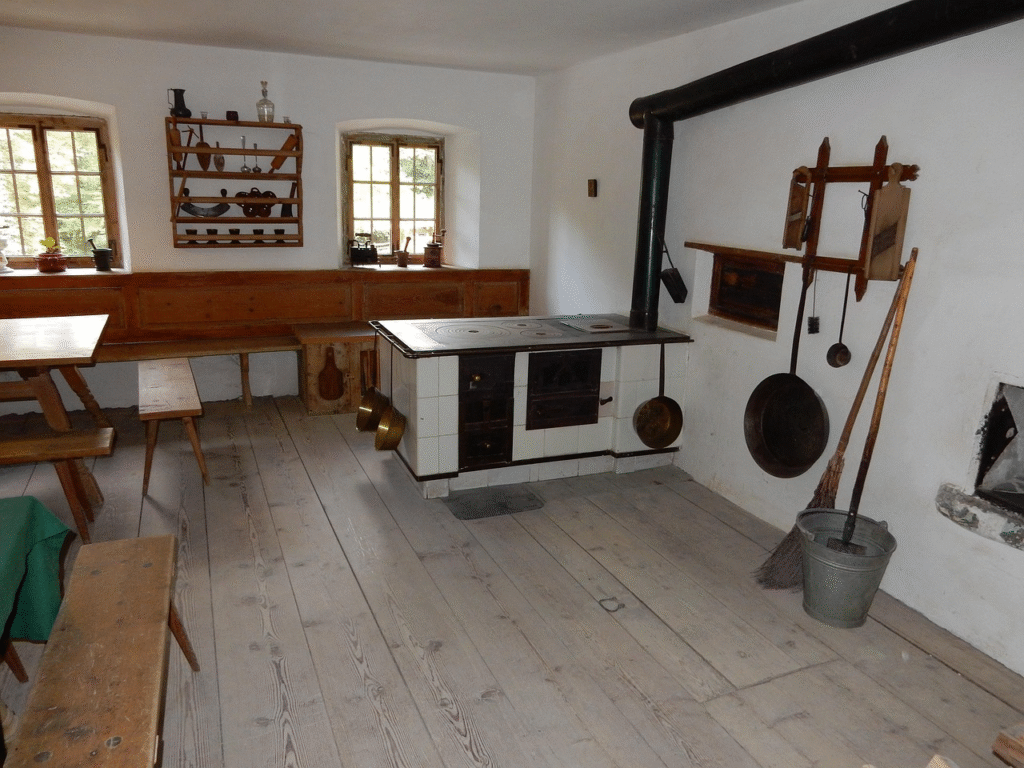
Well, most experienced homeowners would probably prefer a wood stove pipe through wall kit. This option allows the pipe to go through an outside wall and then go upward on the outside of the home.
If you are not yet familiar with the process of piping wood stove through wall, this article can be your guide as you try to learn the basics—the components involved, how it works, the advantages and disadvantages, the installation process, what mistakes to avoid, and what the possible expenses are. By understanding the process, you will be able to make safe, wise decisions once you decide to start your wood stove project.
Introduction to Wood Stove Installation
Installing a wood stove is a rewarding way to add both warmth and character to your living space, but it’s a project that demands careful planning and attention to detail. A wood burning stove can transform a room, providing efficient heating and a cozy atmosphere, but only if it’s safely installed according to all relevant building codes and manufacturer’s instructions. Before you begin, it’s essential to choose the right stove location, taking into account clearance requirements from walls, ceilings, and other combustibles. Selecting the appropriate chimney pipe—whether single wall pipe for interior runs or insulated pipe for exterior sections—is also crucial for both safety and efficiency. Every step, from positioning the stove to routing the chimney, must be done with safety in mind to protect your home and ensure your wood stove operates at peak performance. By planning ahead and understanding the requirements, you’ll set the stage for a successful installation that brings lasting warmth and comfort to your space.
How Does a Through-the-Wall Wood Stove System Work?
A wood stove pipe through wall system has a clear path: inside a home, the vent pipe is attached to the stove and goes all the way through an exterior wall using a heat-rated wall thimble. To install the vent, you must cut a hole in the wall, ensuring precise measurement and safety to maintain proper clearance and sealing. Once outside, the system connects to an insulated chimney pipe that goes upward.
This concept is also alternatively known as a wood stove pipe thru wall installation.
Wood stoves work best when hot air rises upward. While the pipe goes out horizontally, through the wall, for a short period, the chimney still needs to run vertically. The upward rise is what creates the natural airflow, pulling the smoke safely out of the home. If the horizontal run needs to clear roof eaves or other obstructions, elbows can be used to navigate around these obstacles.
This is the ideal concept if you do not want attic modifications, if the stove location complements the exterior wall, and if roof penetration is not the ideal thing to do. This method also avoids cutting through the ceiling, which can be more complex. Common locations for installing a stove without a chimney include running the flue up through the roof or out through the wall. You can have a wood burning stove without a chimney by installing a twin wall flue system, which is a series of connectable stainless steel pipes that act as a manufactured chimney.
How to Know If Venting Through the Wall Is the Right Choice
Before learning how to install a wood stove through a wall, it’s important to take time to evaluate your plans. Check the layout of your home. What are your heating goals? You have to consider these things carefully because even if venting through the wall works well for most homes, it does not automatically means it will work for yours as well.
Here some things you need to keep in mind:
- Through-the-wall systems work best if your stove is positioned right next to an exterior wall. This is important so that the vent is able to immediately exit, making the interior pipe run short and simple. This simplifies the installation process and makes the pipe less visible inside the room.
- The through-the-wall system is also ideal for homeowners who do not want to cut through roof structures, attic insulation, and ceilings. Homes with complex roof framing, vaulted ceilings, and multiple stories need to undergo several structural changes if the chimney runs straight up. In some homes, the flue may pass through the loft space before exiting the roof, which can add complexity to the installation. If you vent through the wall, there will be lesser disruption in your living spaces and, generally, inside your home.
There are trade-offs that you have to keep in mind though:
- Since exterior chimneys are exposed to outdoor temperatures, they’re colder and will have a significant effect on the efficiency of the stove drafts, particularly when the flue is not yet warmed up. Smoke movement will be slower and you may have to preheat the flue.
- Although a through-the-wall system is aesthetic and easier to maintain, the chimney is positioned externally, outside the home, and some homeowners like the look of a chimney that runs indoors compared to one that is visible outside.
However, this isn’t to say that a wood stove pipe through wall system will not work well. It just means that you’ll have to ensure proper insulation and the right chimney height. The chimney should be high above the roofline, high enough to allow for a strong upward airflow. Twin wall flues are specifically engineered to meet building regulations and are designed to contain high temperatures, making them a reliable choice for safety and performance. Quality should be a priority at all times, especially if you want to ensure better performance and effectively reduce heat loss.
Here are some essential and practical questions that you should ask before learning how to install a wood burning stove through a wall:
- How close is your stove to the exterior wall? It should be close enough for a short horizontal run? Is the vertical space big enough so that the exterior chimney follows the height requirement?
- Do you like the look of an outside chimney? Is that a comfortable thought for you?
- Do you live in an area exposed to extremely cold winters and draft performance is affected?
While the through-the-wall process is not better or worse than the through-the-roof method, it is significantly different. Your decision to use it should be based on your personal preference, budget, home layout, and the climate in your area. So it’s important to think through these factors if you want a smooth and efficient installation process while also ensuring that your stove performs as expected.
Are There Codes, Permits, and Safety Regulations to Consider?
Yes, there are local requirements to take care of when learning how to install a wood burning stove through the wall, and it’s the first thing that you need to work on. It is important to cover all safety requirements and essential steps, including permits and potential risks, to ensure a safe installation.
Try to get as much information as you can about what permits are needed for solid fuel appliances. Most municipalities require one, and an inspection is required after installation. Ensure that the chimney height and approved components, as well as clearance requirements, all meet the standard code.
Additionally, you have to install your stove according to regulations. This is vital if you want to avoid complications and deal with insurance companies. These regulations help keep your home and your family safe, especially since wood stoves have very high temperatures.
If you are unsure about needing planning permission, always check with your local authority planning department.
The Right Stove Location Matters
Location matters. In this case, the location of the stove matters. Manufacturers always specify the right distance between the combustible materials and the stove. Do not assume that clearances or supports are correct—always verify them against the stove’s manual and local codes for safety and compliance. Single-wall pipe must be at least 18 inches away from combustibles, while double-wall pipe usually requires 6-8 inches of clearance. Wood stoves should be at least 36 inches away from any flammable surfaces, but always check your stove’s manual for precise requirements. Clearances between the stove and the ceilings, walls, furniture, and trim matter. Floor protection is vital to ensure that distance around and in front of the stove is as specified by manufacturers.
Part of the process of planning how to install a wood burning stove through the wall is making sure that the wall you will vent through is an exterior one. You also have to ensure that there are no obstacles outside, such as utility lines, decks, roof overhangs, soffits, and windows.
Also, keep in mind that the right chimney height is vital for efficient draft performance. You need enough vertical space so the chimney can properly extend to the right height.
Setting Up the Stove
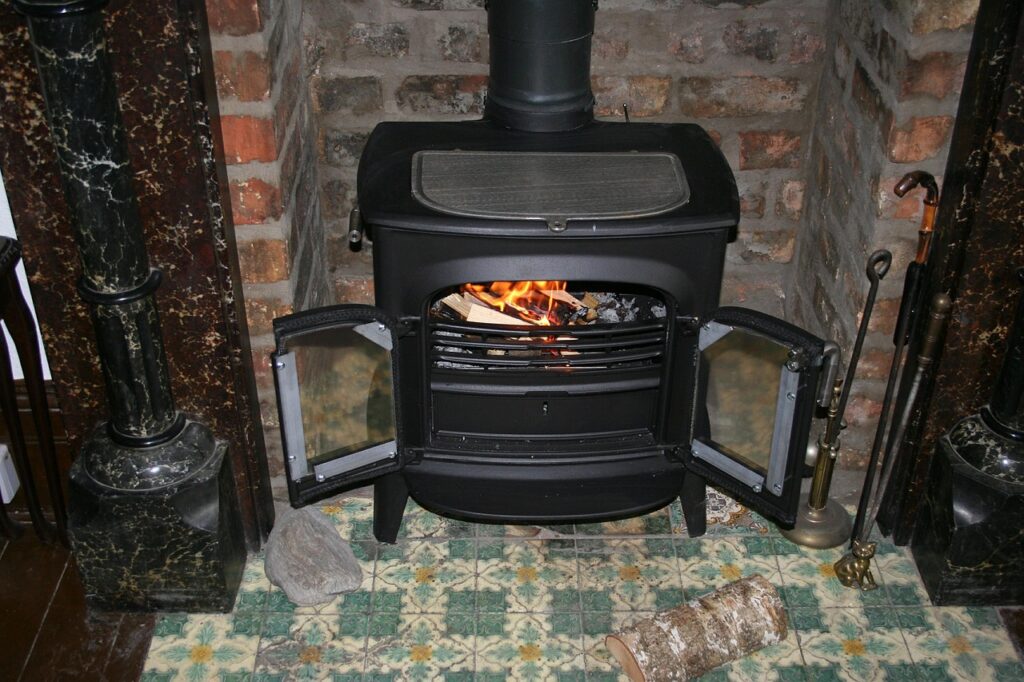
Setting up your wood stove is one of the most important steps in the installation process, laying the foundation for both safety and efficient heating. Begin by carefully selecting the stove location—ideally, a spot that allows for easy venting through the wall and provides optimal warmth to your living space. The stove must be installed on a fire-resistant floor protector, such as a certified hearth pad, to shield your wood or other flooring from stray sparks, embers, and heat. Make sure the stove is centered on this protective surface, with the entire unit sitting squarely within the boundaries of the hearth pad.
Clearances are critical for safety and code compliance. Always verify that your wood stove is positioned at least 36 inches away from any walls, windows, or combustible materials, unless your stove’s manual or local building codes specify otherwise. This buffer zone helps prevent heat damage and reduces the risk of accidental fires. Double-check that there are no curtains, furniture, or other flammable items within the required clearance area.
Proper stove setup not only protects your home but also ensures your wood stove operates at peak efficiency, delivering reliable warmth throughout the room. Taking the time to get this step right will make the rest of your installation smoother and help you enjoy safe, comfortable heating for years to come.
Preparation and Tools
Proper preparation is the foundation of a safe and successful wood stove installation. Start by gathering all the necessary tools and materials, such as a drill with the right bits, screws, high-temperature sealants, and a reliable wall kit designed for passing the chimney pipe through the wall. Support brackets are essential for securing the chimney pipe, especially on the exterior of your home. Before you begin, review the installation process thoroughly—know how to connect the stove pipe to the chimney pipe, and double-check all clearance requirements to protect against fire hazards. If you’re not confident in your DIY skills or have any doubts about the process, professional installation is often the best option to ensure everything is done correctly and safely. Don’t forget to factor in the cost of materials, labor, and any additional components you may need, such as single wall pipe or more advanced insulated options. Taking the time to prepare properly will help you avoid costly mistakes and ensure your wood stove is installed to the highest standards.
Through-the-Wall Setup Components
Now that the initial steps for a wood stove pipe through wall kit are completed, it’s time to work on the setup components, which are as follows:
Indoor Stove Pipe
The indoor stove pipe is directly connected to the stove. It directs the exhaust gases to the wall—either to the single- or the double-wall. The double-wall pipes are ideal for managing higher flue temperatures and reduced clearances.
Indoor pipes are not ideal for outdoor use.
Wall Thimble
One of the most vital parts of piping wood stove through wall safety is ensuring the wall thimble is properly setup. It is what helps the chimney easily and safely go through combustible framing. The wall thimble is also essential for maintaining the right distance between wooden studs and the hot chimney components.
Tee with Cleanout
A tee-shaed connector is installed on the outside of the wall. The horizontal pipe coming from inside the house connects to the side opening of the tee, while the vertical chimney pipe connects to the top. There is a removable cap on the bottom part and this allows for easy cleaning of any buildup and ash.
A wood burning stove flue through wall, as well as a log burner flue through wall setup, both use this design because it allows for simpler and more efficient cleaning.
Insulated Class A Chimney
Once the pipe is outside, the system switched to insulated an insulated chimney pipe designed for solid fuel use. It can manage high temperatures efficiently and keeps excessive heat away from the sidings and nearby materials.
However, do not mix exterior chimney components with stove pipe as this is non-compliant and unsafe.
Wall Brackets and Supports
The chimney sections outside need to be firmly attached to the wall. There are special brackets that can firmly hold the pipe at certain intervals. Sturdy support is important for chimneys that are constantly exposed to wind and weather, specifically for preventing unwanted stress, loosening, and shifting.
Step-by-Step Installation Overview
The overall installation process for piping wood stove through wall may vary according to manufacturer. However, there is a logical sequence that homeowners are expected to follow. It is crucial to safely install your wood stove pipe through wall kit by following all safety precautions, setup procedures, and local safety standards to prevent hazards and ensure efficient operation.
Before you begin, check the installation manual for your stove and the regulations in your area to ensure compliance. Through-the-wall installations require at least 2 inches of clearance to combustibles, and this must be carefully considered during installation.
First things first; place the stove in the final position and adjust accordingly so that all clearances and the floor protection are correct. You cannot relocate the stove once you have cut into the wall.
The next step is to connect a small section of stove pipe so you can mark the wall exit centerline. When attaching the first pipe section to the stove’s flue collar, use a high-temperature sealant to create an airtight seal and prevent smoke leaks. Ensure that you mark the wall clearly and carefully. If you need to extend the bit of pipe horizontally to clear roof eaves or other obstacles, use longer sections or elbows as needed, making sure to support and secure them properly. Thoroughly check the wall cavity and pay attention to plumbing, wiring, and studs before you start cutting.
Next, check the specifications for the wall thimble and use these as a basis for cutting the opening. Ensure that the opening is significantly bigger than the pipe so you’ll produce the right clearance.
Once done, install the wall thimble. It has to be as secure as possible as this guarantees a safe wood stove pipe through wall installation.
The next thing to do is connect the sections of the interior stove pipe. Do it efficiently so that the crimped ends are pointed toward the stove. This will help prevent creosote leakage. Use screws to secure joints, apply high-temperature sealant to all connections to ensure a proper seal, and ensure an upward rise to the wall.
Then move to the exterior so you can connect the tee fitting. The insulated chimney sections must be placed vertically, using wall brackets to keep them secure at specified intervals.
Learning how to install a wood stove chimney through wall requires you to follow the right procedure, including ensuring proper support and alignment.
The Chimney’s Height and Draft Performance
Yes, the height of your chimney will affect its performance.
According to guidelines, the chimney should extend by around three feet above the roof penetration. It should also be at least two feet taller than any part of the structure or roof within ten feet horizontally. These height specifications must be applied strictly even if the chimney exits through the wall. You may need a ton of extra pipe sections, supports, and angled elbows to clear roof overhangs or eaves and position the chimney properly outside the wall or roof line while ensuring safety and compliance.
A twin wall flue generally needs to be at least 4.5 metres in total length from the stove to the terminal to ensure a sufficient draught. The insulation in a twin wall flue keeps the gases hot, which maintains a strong draught to pull smoke out of your stove. Twin wall flues do not reduce stove efficiency and often provide a more consistent draught than a cold, unlined brick chimney.
Remember, when learning how to install a wood burning stove through the wall, every aspect matters, especially the height. If the height’s too short, you can get a smoke backflow or a weak draft.
Also, as mentioned earlier, exterior chimneys are colder, particularly in winter. So if you want better draft consistency, the right chimney height and burning seasoned firewood should be part of the process.
Pros and Cons of Installing Piping Wood Stove Through The Wall Kit
There are several advantages and disadvantages to doing a wood stove pipe through wall kit. It helps to understand what these are before moving forward with your project.
Pros
One of the biggest benefits you’ll get from a wood stove pipe through wall system is the tea cleanout. It makes inspection and cleaning easier, and you don’t have to climb to the roof every time you need to maintain the system.
The through-the-wall kit is also an advantage if you do not want to build framed enclosures for your chimney door or if you want to avoid cutting through ceilings. This means reduced interior construction, lesser work inside the house.
In some cases, piping wood stove through wall is simply structurally sensible. Dealing with vaulted ceilings, multiple floors, or roof framing can be complicated and make the vertical interior runs difficult.
Additionally, installing a wood stove is a fantastic way to bring both warmth and charm into your home, making it a cozy, energy-efficient addition.
Cons
Be cautious about choosing cheap materials or components for your kit, as this can lead to long-term problems and safety concerns.
Cons
Since exterior chimneys are affected by cold temperatures, draft performance is easily reduced, especially when compared to interior chimneys.
Another disadvantage of a wood stove pipe thru wall installation is that you may need more exterior chimney sections than you have or planned to have. This will depend on the height of your roof.
In addition, an exterior pipe may be less appealing, physically, compared to an interior chimney. This is especially true for homeowners who care about the aesthetic value of their homes.
Some people believe that twin wall systems are less safe or efficient, but it’s important to bust these myths—when installed correctly, they are both safe and effective. However, keep in mind that a twin wall flue must be swept at least once a year to remove soot and prevent blockages.
Understanding these pros and cons will help you determine if the through-the-wall approach is ideal for you.
Expected Expenses
If you want to properly follow how to install a wood stove through a wall, you’ll also need to consider your budget. And you have to be realistic about it.
Here are some possible expenses that you should include in your budget list:
1. Your first expense will be the wood stove pipe through wall kit. Inclusions for this are the tee, wall thimble, and starting components.
2. Expect to spend for insulated Class A chimney sections, too. Consider the height of your chimney when budgeting; the higher your chimney, the more wall brackets and sections you will need.
3. You should set aside an amount for inspections, permit fees, and additional charges.
4. Include labor costs in your budget list, but don’t forget to consider factors such as local rates, siding material, the roof height, and complexity of the work needed.
5. Set aside an amount for additional expenses, too. This should include chimney caps, carbon monoxide detectors, tools, and upgraded hearth protection.
Don’t scrimp on your budget. Don’t choose something just because it is affordable or inexpensive. Choose quality items, because learning how to install a wood stove chimney through wall is not easy and depends greatly on safe installation. It’s the best long-term investment you can give your home and your family.
Avoid These Common Mistakes
Rushing the process will not help. It is one of the common reasons why piping wood stove through wall problems surface.
Using indoor pipes outdoors is a big mistake. It is completely unsafe.
Not following clearance requirements for the interior wall cavity will put your home at risk for fire.
Draft issues are often caused by installing a very short chimney.
Not adhering to and procuring required permits will lead to resale and insurance problems.
These are just some of the major mistakes that homeowners commonly make. It’s important to keep them in mind so you can avoid making them. Plan carefully to prevent issues from compromising your system and your home.
Professional Installation
Opting for professional installation of your wood stove can save you time, stress, and potential safety risks. Experienced installers are well-versed in handling complex scenarios, such as connecting to an existing chimney or working with challenging stove locations. They understand local building codes and will ensure your installation meets all legal and safety requirements, which is especially important for insurance and resale purposes. A professional can also spot issues that might be missed by a DIYer, such as inadequate clearances or improper venting, and can offer expert advice on maintaining efficient operation. When choosing a professional installer, look for certifications from reputable organizations like the National Fireplace Institute, and ask for references to confirm their experience with wood stove installations. Investing in professional installation not only ensures your wood stove is set up safely and efficiently, but also provides peace of mind for years to come.
Maintenance and Upkeep
Keeping your wood stove in top condition requires regular maintenance and attention to detail. Make it a habit to inspect the stove pipe and chimney pipe for any signs of damage, blockages, or creosote buildup, which can pose serious safety risks. Check all connections and sealants to ensure they remain airtight and secure, and clean out ashes and debris from the stove and surrounding area to maintain a safe living space. It’s wise to schedule a professional chimney cleaning and inspection at least once a year to keep your system running efficiently and to prevent smoke or gases from entering your home. Always store firewood and other combustibles at a safe distance from the stove and chimney to reduce the risk of accidental fires. By staying on top of maintenance, you’ll enjoy reliable warmth and a safe, inviting atmosphere in your home.
Troubleshooting Common Issues
Even with careful installation and regular maintenance, you may encounter issues with your wood stove from time to time. Common problems include poor draft, smoke leaks, or reduced heating efficiency. To troubleshoot, start by inspecting the stove pipe and chimney pipe for obstructions, creosote buildup, or damage. Make sure all clearance requirements are still being met and that the stove is properly connected to the chimney pipe. Check the tee support and ensure all joints are sealed and secure, as leaks or loose connections can cause smoke to enter your living space. If you’re unable to resolve the issue, consult your stove’s manual for guidance or reach out to a professional installer for assistance. Addressing problems promptly and safely will help you maintain efficient heating and protect your home from potential hazards. Always prioritize safety when working with your wood stove, and don’t hesitate to seek expert help if needed.
The Bottom Line
If you’re determined to install a wood stove pipe through wall system, you’ll have to keep in mind that it’s not a simple project that you can accomplish overnight. But knowing the basics—the requirements and process, the pros and cons, and the common mistakes to avoid—will help you come up with wise decisions and point you to the right direction.
It’s also vital to remember that even the little things matter, including connection, clearances, heights, and measurements.
However, if you are not sure or not confident that you know how to install a wood burning stove through a wall, the best thing to do is hire professionals who can guide you through the process. You’ll get the expert advice and the best installation and inspection assistance from the team at TOR Chimney & Fireplace. They’ll help ensure that your system is high-quality, compliant, durable, and safe.
A properly installed wood burning stove flue through wall will offer you efficient, dependable, safe, and comforting heat for years. Just don’t rush the process, adhere to instructions, provide all permits and requirements, and respect the process.