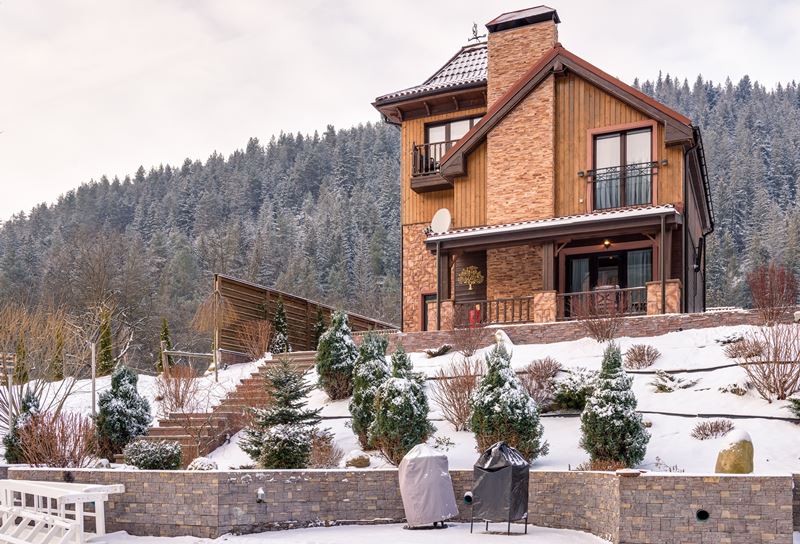
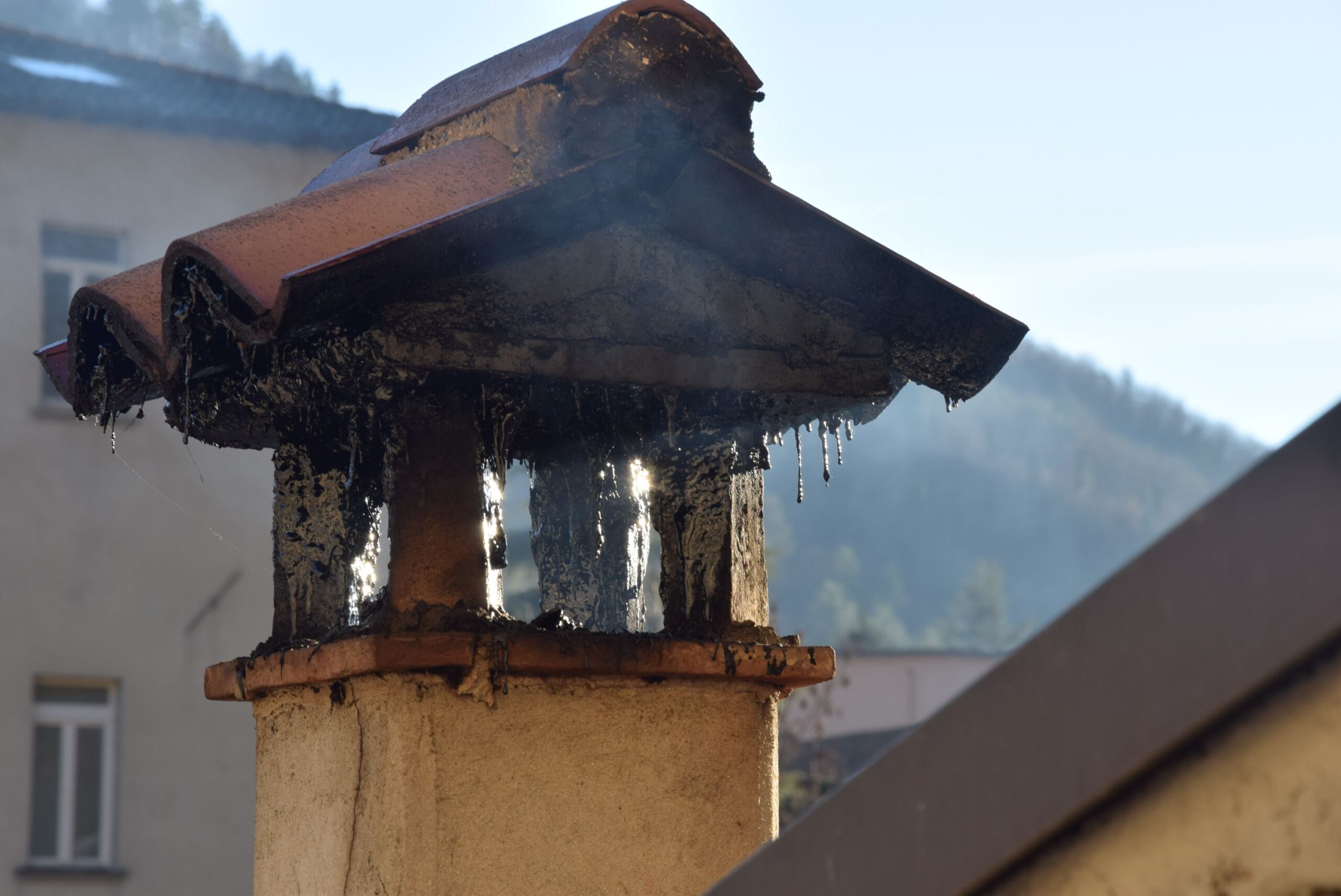
A natural stone chimney represents one of the most beautiful and functional features any home can have. This structure adds character to the exterior while providing essential service to the interior fireplace. Whether the house displays classic architecture or modern home design, a stone chimney creates lasting appeal that few other features can match.
However, even the most durable natural stone chimney needs proper care and expert repairs to continue serving the home effectively. When damage appears, knowing what makes repairs last becomes crucial for protecting the investment and maintaining the beauty of this architectural feature.
The problem many homeowners encounter is that not all chimney repairs deliver the same results. Poor repair work leads to recurring issues, water damage, and more expensive problems later. Understanding the key factors that determine how long repairs will last helps homeowners make better decisions and avoid costly mistakes.

Why Natural Stone Requires Special Attention and Care
The success of any stone chimney repair starts with understanding natural stone itself. Unlike manufactured materials such as stucco or shingles, natural stone responds to weather and temperature changes in specific ways. Each stone in a natural stone chimney has unique qualities that affect how repairs should be done.
Natural stone chimneys typically use various stone types, including fieldstone, limestone, sandstone, or granite/ Water causes the most common problems in stone structures. When moisture gets into the stone through cracks or damaged mortar, it creates serious issues. During cold weather, water freezes and expands inside the stone, causing cracks and damage. This is why moisture control matters so much for any exterior stone chimney repair. The repair must let the stone breathe naturally while stopping water from getting in and damaging the structure.
The natural characteristics of stone also affect how it bonds with mortar and other masonry materials. Different stones need different approaches. Some natural stone types absorb more water and need special protection, while others are very dense and require specific mortar mixtures. The thickness of mortar joints must match the size and type of stones being used.
The base of the stone chimney and how it connects to the foundation also needs careful attention. A natural stone chimney can weigh several tons even in an average-sized house. Any repair project must check whether the foundation still provides enough support or needs strengthening before fixing surface problems.
Understanding how natural materials behave helps create repair plans that work with the stone rather than against it. This knowledge separates repairs that last from those that fail within a few years.
How the Right Mortar Mix Makes All the Difference
The second critical factor for ensuring long-lasting stone chimney repairs involves choosing the right mortar and using proper repair methods. Many people don’t realize that the mortar between stones is just as important as the stones themselves. Mortar actually serves as the protective element in masonry work. It’s designed to be softer than stone so it absorbs stress and weather damage, protecting the more valuable stones.
Older stone chimneys, especially those on historic homes, were often built using lime-based mortars. These traditional mixtures allowed flexibility and breathability, both essential for natural stone construction. Modern cement-based mortars, while stronger, can actually create problems when used on older stone chimneys. Hard cement mortars can trap moisture and create stress that causes the stones themselves to crack.
Professional chimney specialists understand the importance of matching the existing mortar in both makeup and appearance. This process, called repointing, involves carefully removing old mortar from joints and replacing it with new material that works well with the original construction. The depth of this work ensures a strong bond that will protect the stone for years ahead.
The method used during repair also significantly affects how long the work lasts. Rushing or cutting corners creates weak spots that won’t show up until problems appear months or years later. Proper technique includes several important steps.
Complete cleaning and preparation comes first. Before any repair begins, the stone surfaces and joints must be thoroughly cleaned to remove all loose material, dirt, and growth. This preparation creates the clean surface needed for new mortar to stick properly.
Correct mixing and application follows next. The mortar must be mixed to the right consistency and applied carefully. If joints are deep, the work happens in layers, with each layer getting time to set before the next goes on. This ensures proper bonding through the full thickness of the joint.
Adequate curing time is essential. After mortar is applied, it needs time to harden properly. The work area may need protection from sun, wind, or rain during initial hardening. Proper curing creates durable joints that resist weather and keep their strength.
Matching methods to specific features matters throughout the chimney structure. Different parts need different approaches. The crown at the top, the area near the fireplace opening, and the exterior walls all present unique challenges. A thorough repair project addresses each feature appropriately.
The interior of the chimney, especially where it connects to the fireplace, also requires special care. Smoke, heat, and buildup from burning wood can damage mortar from the inside. Addressing both interior and exterior issues at the same time ensures complete protection.

Some projects may require a custom blend of mortar to match the original material perfectly. This attention to detail shows the difference between basic repair work and restoration that truly lasts.
Why Working With Skilled Professionals Changes Everything
The third essential element for repairs that last is perhaps the most important: working with qualified professionals, like TOR Chimney, who truly understand natural stone masonry. While looking for the lowest price or trying DIY repairs might seem appealing, the specialized knowledge required for stone chimney work makes professional skill essential rather than optional.
A skilled mason brings years of experience working with natural stone and understands how different stones behave under various conditions. They can look at a natural stone chimney and spot not just obvious damage but also subtle signs of problems that others would miss. This ability to diagnose issues correctly is critical because fixing only surface problems while ignoring root causes leads to recurring issues.
Professional chimney specialists also understand building codes and safety requirements. The chimney must provide adequate draft for the fireplace, maintain proper clearances from wood and other combustible materials in the home, and meet safety standards. A qualified builder or mason ensures repair work not only restores the classic beauty of the natural stone chimney but also maintains or improves safety and function.
The advantage of working with experienced professionals extends to finding materials. Established masonry companies have connections with suppliers and can source high-quality natural stone that matches the existing chimney. When replacement stones are needed, they know how to find materials suited to the architecture and style of the home while ensuring compatibility with the original construction.
Professional contractors also provide complete assessment and planning. Before starting any repair project, they conduct a thorough inspection examining every aspect of the stone chimney from foundation to crown, and from exterior walls to interior flue. This complete approach identifies all issues needing attention, allowing homeowners to prioritize repairs and understand what to expect regarding timeline and cost.
Documentation provides another area where professionals create value. Good companies provide detailed estimates, maintain clear communication throughout the project, and often offer photos of work in progress. This openness gives homeowners confidence the job is being done right. Homeowners can visit company websites to see portfolios of completed work and find ideas for their own chimney repair or improvement.
When looking at potential contractors, search for those who specialize in stone chimney work rather than general contractors who handle many different types of projects. Ask about experience with chimneys similar to the one needing repair. The right professional will happily provide references and discuss their approach to the specific situation.
Time represents another factor where professionals offer real value. A proper stone chimney repair isn’t a quick weekend project. It requires careful planning, preparation, and work that may take several days or weeks depending on scope. Professional masons have the tools, team, and experience to complete work efficiently while maintaining high standards needed for durable results.
Building a Maintenance Plan That Protects the Investment
Beyond immediate repair work, establishing regular maintenance ensures the natural stone chimney continues serving the home well into the future. Even expertly done repairs will eventually face problems without ongoing care. A proactive approach to chimney maintenance offers significant advantages over waiting to fix problems after they cause damage.
Annual inspections should become standard in home maintenance routines. Professional chimney inspectors can spot small issues before they grow into major problems. During these visits, they examine mortar joints for deterioration, check for cracks in stones, look at the chimney crown and flashing, and inspect the interior flue for buildup or damage. Regular attention allows homeowners to address concerns while they’re still minor, saving money and preserving the natural stone chimney.
Seasonal considerations also play a role in maintenance. Before the season for burning wood begins, have the chimney cleaned and inspected to ensure it’s safe and ready. After winter ends, examine the exterior for any damage that freeze-thaw cycles may have created. Making room in the maintenance budget for these seasonal checks represents money well spent compared to emergency repairs.
Water management remains a critical ongoing concern. Make sure the flashing where the stone chimney meets the roof stays intact and properly sealed.
Controlling plants around the exterior of the chimney also helps it last longer. Vines, though they might create a romantic classic look climbing up stone walls, can actually damage mortar joints and trap moisture against stones. Keep plants trimmed back and quickly remove any growth that appears on stone surfaces.
For chimneys with fireplaces still in active use, interior maintenance is equally important. Regular cleaning removes buildup that can corrode interior stones and mortar. Using properly dried wood reduces buildup and minimizes stress on the chimney system. If burning wood regularly, the floor of the firebox should be cleaned periodically, and homeowners should continue watching for any changes in draft or smoke behavior that might show developing problems.
Keeping records of maintenance activities and repairs provides valuable information. Document when inspections happen, what work has been done, and any concerns noted. This history helps future service providers and helps track patterns that might show chronic issues requiring more complete solutions.

Where Beauty Meets Function in Stone Chimney Design
One aspect that makes natural stone chimneys so appealing is how they blend beauty with practical function. The natural variations in stone color and texture create visual interest that manufactured materials simply cannot match. Each natural stone chimney is unique, adding to the character and appeal of the home’s exterior while serving the essential job of safely venting smoke and gases.
The classic look of a stone chimney also adds significant value to the home. Buyers consistently rank fireplaces and distinctive features among the most wanted home attributes. A well-maintained natural stone chimney signals quality construction and attention to detail, making the house stand out. This return makes proper repairs and maintenance not just practical but also financially smart.
When planning repairs, consider whether there’s an opportunity to enhance the chimney’s appearance while fixing functional issues. Perhaps an outdated chimney crown could be rebuilt with improved design. Maybe adding decorative stone caps or lighting could showcase the chimney’s beauty during evening hours. These visual improvements, when thoughtfully incorporated into necessary repair work, create even greater value and enjoyment.
Understanding What Quality Stone Chimney Repairs Really Cost
Approaching stone chimney repairs requires realistic perspective on the investment involved. Quality work using appropriate materials and skilled labor costs money, but understanding what the expense covers helps explain why the investment makes sense.
The cost of proper stone chimney repair reflects several factors: the skill of experienced masons who understand natural stone, the price of quality materials that match the existing chimney, the time required to do repairs correctly, and the value of work that will last for decades rather than just a few years. When considering that a well-maintained natural stone chimney can continue serving the home for a century or more, the expense of proper repairs represents a small fraction of replacement costs.
Trying to save money by cutting corners on repairs typically creates greater expenses later. Mortar that’s mixed or applied incorrectly will fail early. Stones that aren’t properly set will shift and crack. Water problems that aren’t adequately fixed will continue causing damage to both the stone and the surrounding house structure. These failures don’t just require redoing repair work. they often mean fixing additional damage that happened because the initial repair wasn’t effective.
Quality repairs also provide peace of mind. Knowing the natural stone chimney has been properly restored by skilled professionals using appropriate methods and durable materials allows homeowners to enjoy their fireplace without worry. There’s confidence during storms that water isn’t getting into the chimney. The wood-burning fireplace can be used knowing the system is safe and works properly. This confidence is part of what comes with investing in professional chimney repair.
The product of professional work includes not just the physical repairs but also the expertise, accountability, and long-term support that comes from working with established companies. This complete package offers value that extends well beyond the initial repair project.
Choosing Excellence for Stone Chimney Care That Lasts
Stone chimney repair represents more than just fixing damage. It’s about preserving a classic feature that adds character and value to the home. It’s about maintaining safety for everyone who lives in the house. It’s about protecting an investment that should serve the family for generations.
The difference between adequate repairs and excellent restoration often comes down to expertise, attention to detail, and commitment to quality.
TOR Chimney stays current with best practices in masonry and chimney repair. We combine time-tested wisdom with modern improvements to deliver repairs that truly stand the test of time.
The work lasts longer, looks better, and provides greater peace of mind. The home maintains its beauty and value. The fireplace remains a safe, functional feature for family enjoyment.
For homeowners ready to address stone chimney repairs with the seriousness they deserve, the next step is clear. Contact us today and schedule an inspection. Quality care for this important home feature starts with choosing the right experts to provide it.