Table of contents:
- How a Fireplace Works
- Types of Fireplaces You Might Have
- Getting Ready: Pre-Inspection Preparation
- What to Do When Inspecting A Fireplace Without Special Tools
- Guide to Fireplace Components and What They Do
- How the Damper Makes A Big Difference
- Checking the Fireplace Before Use Each Season
- Simple Tips for How to Use a Fireplace Safely
- When to Hire A Fireplace Inspector
- FAQs: Fireplace Questions That People Hesitate to Ask
The fireplace—it keeps your home cozy, especially during the cold winter. It’s the first thing you think of when you want some comfortable warmth after freezing in the cold outside. But have you ever stopped to wonder how it works or if it’s functioning properly? Have you ever wondered if it’s safe? Most homeowners love using their fireplace, but often have no idea how to take care of it.
Moving into a new home—whether it’s rented or owned—means you inherit everything that comes with the property. This includes the fireplace, which doesn’t come with a manual. Your new neighbors won’t have time to share fireplace stories with you. So if it’s your first time to have one, it’s important to know fireplace basics so you’ll know what you’re dealing with and you’ll understand what to do and what not to do to ensure that it works properly. This is why inspecting a fireplace is important. Making this a part of your regular activity will help you gain a better understanding of your fireplace and can prevent small issues from turning into serious problems.
For a thorough inspection and proper maintenance, it is highly recommended to hire a certified chimney professional, especially if you are a first-time user or are unsure about the fireplace’s condition. A chimney professional can ensure your fireplace and chimney meet safety standards and function correctly.
This article is a simple guide—no technical overload—that provides practical and significant information so homeowners like you are well-informed and become more confident in dealing with the fireplace. These inspection tips also apply to any wood burning appliance in your home.
A Simple Explanation of How a Fireplace Works
Before learning how to inspect your fireplace system, it’s important to understand what keeps a fireplace working.
The fireplace is typically built into a wall in a home or building. It is a contained area where fire can be safely ignited. It is connected to a chimney and flue system, which keeps gases and flames away from the interior structures and parts of the house. In other words, the fireplace protects the rooms in your house from smoke and prevents you from setting your house on fire. The system pushes the smoke all the way up to the chimney top until it exits.
Fireplaces create a draft, just like what happens in a hot air balloon. They produce heated air inside the chimney. When hot air rises, more warm air is pulled from the fire along with it, forming a draft. The draft is the flow of hot gases and smoke that travels up to the chimney. During extremely cold weather, cold air can fill the chimney and hinder proper draft; warming the flue before lighting a fire, such as by burning a newspaper torch, helps expel cold air and ensures effective smoke venting.
The firebox, designed to handle high heat, is where the fire burns. As the smoke exits the chimney, fresh air keeps it going, while the damper controls whether the smoke goes up and leaves through the chimney or stays inside.
If all these parts work together, your fireplace is guaranteed to work well. However, if the airflow is blocked or the system is not properly maintained, then problems, such as damaged parts, can develop.
Knowing how the fireplace works is essential for understanding what you need to check on during the inspection.
Types of Fireplaces You Might Have
When it comes to keeping your home warm and inviting, the type of fireplace you have makes a big difference in how you maintain it and keep your family safe. Most homeowners will have one of three main types: wood burning fireplaces, gas fireplaces, or electric fireplaces.
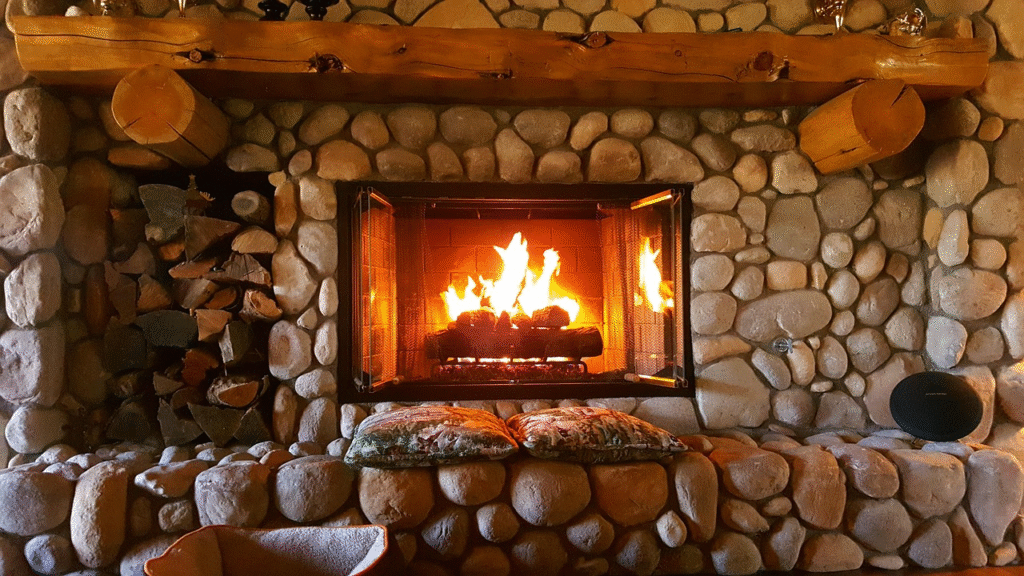
Wood burning fireplaces are the classic choice, offering the crackle and aroma of real wood fires. While they create a cozy atmosphere, they also require regular chimney cleaning to prevent creosote buildup—a leading cause of chimney fires. Staying on top of maintenance and following essential fireplace safety tips is crucial for these traditional fireplaces.
Gas fireplaces are a popular modern alternative. They’re easy to use, often with a simple switch or remote, and they don’t produce ash or creosote like wood fireplaces do. However, gas fireplaces still need routine checks to ensure the gas lines and vents are clear and safe. Homeowners should always be alert for any unusual smells or signs of poor draft, and schedule professional inspections as part of their regular chimney maintenance.
Electric fireplaces are the most low-maintenance option. They don’t require a chimney or vent, making them a great choice for those who want the look and feel of a fire without the hassle. While they don’t pose the same fire risk as wood or gas fireplaces, it’s still important to keep the area around them clear of flammable materials and follow the manufacturer’s safety guidelines.
No matter which type of fireplace you have, understanding its unique needs and following proper safety tips will help you enjoy a warm, safe home all season long.
Fireplaces Need Your Attention, Too
Unlike most of the appliances and areas of your home, the fireplace is left idle for long periods—it is of no use during the hot summer months. But even if your fireplace usage is not the same throughout the year, it still needs regular checks. When it is not being used, issues and problems can still surface.
Most homeowners often brush off instances when they notice misaligned parts or small cracks and leaks. When this happens, you may find yourself asking, Is my fireplace safe to use?, even if there are no obvious problems. Well, these issues may not look serious, but they can worsen over time if left unattended. Pay attention to them.
Regularly perform checks so you won’t miss changes, which can be signs of developing issues. Doing so is also vital in ensuring your and your family’s safety when you finally have to use the fireplace.
Getting Ready: Pre-Inspection Preparation
Before you light the first fire of the season, taking a few simple steps can make all the difference in fireplace safety. Start by gathering the essentials: keep a fire extinguisher handy, have a metal bucket ready for ash disposal, and make sure your chimney cap is securely in place to keep out debris and prevent hot embers from escaping onto your roof.
Schedule a visit from a certified chimney sweep for a thorough inspection and cleaning. A professional will remove dangerous creosote buildup, reducing the risk of chimney fires and ensuring your chimney is in top shape. If you burn wood, double check that your supply is made up of seasoned wood—wet wood not only burns poorly but also increases creosote buildup and fire risk.
Clear the area around your fireplace of any flammable materials, such as curtains, rugs, or furniture. Never leave a fire unattended, and always keep children and pets at a safe distance. For added peace of mind, install carbon monoxide detectors and smoke detectors throughout your home to guard against carbon monoxide poisoning and house fires.
By following these maintenance tips and safety guidelines, you’ll be well-prepared for a safe and enjoyable fire in your fireplace. Remember, a little preparation goes a long way in preventing accidents and keeping your home warm and secure during the colder months.
What to Do When Inspecting A Fireplace Without Special Tools
One of the things you need to be when learning how to inspect fireplace components is observant. You don’t need advanced inspection skills; you just have to know how to carefully observe.
First on your list should be the firebox. Check the floor and the walls. Look for disengaged material, missing mortar, loose bricks, and cracks or leaks. No matter how small surface wear is, it can still develop into significant damage, a major problem, over time. Surface wear shouldn’t be ignored.
The next thing to do is to check for buildup or residue. If it’s just a small layer of soot, it won’t be that big of a problem. But if you find thick, flaky, and sticky residue, you’ll need to act on it quickly, as not doing so can lead to airflow or burning problems. It will compromise the safety of your system in the long run. While checking for buildup, also look for obstructions such as a bird’s nest inside the chimney flue, as these can pose a fire hazard if not removed.
It’s also important to pay attention to the smell of your fireplace, even when it is not in use. A strong, smoky odor can indicate the presence of residue or buildup, particularly the ones that you do not see.
A Quick Guide to Fireplace Components and What They Do
A wood burning fireplace is more than just a cozy spot for gathering on chilly nights—it’s a system made up of several important parts, each working together to keep your home safe and warm. Knowing what these components do can help you spot potential issues early, prevent chimney fires, and make sure your fireplace is running efficiently.
Firebox:This is where the magic happens—the firebox is the main chamber where you build your fire. It’s lined with heat-resistant materials like brick or stone to withstand high temperatures. Keeping the firebox clean and free of debris is essential for good airflow and to prevent creosote buildup, which is a leading cause of chimney fires.
Damper:Think of the damper as the fireplace’s gatekeeper. This metal flap sits above the firebox and controls the flow of air and smoke up the chimney. Always make sure the damper is fully open before lighting a fire, and check that it moves smoothly. A certified chimney sweep can inspect and maintain your damper to ensure it’s working properly.
Chimney:The chimney is the vertical structure that vents smoke and gases safely out of your house. It’s crucial to have a chimney cap installed to keep out rain, snow, and curious critters. Regular chimney cleaning by a certified chimney professional helps prevent dangerous creosote buildup and reduces the risk of house fires.
Flue:Inside the chimney, the flue acts as a passageway for smoke and gases to escape. A flue liner protects the chimney walls from heat and corrosion. Over time, creosote and debris can collect in the flue, so routine inspections and cleaning are a must for fireplace safety.
Hearth:The hearth is the floor area in front of your fireplace, usually made from stone or brick. It acts as a barrier, protecting your home from stray embers and hot ash. Always keep the hearth clear of flammable materials, and have a fire extinguisher handy in case of emergencies.
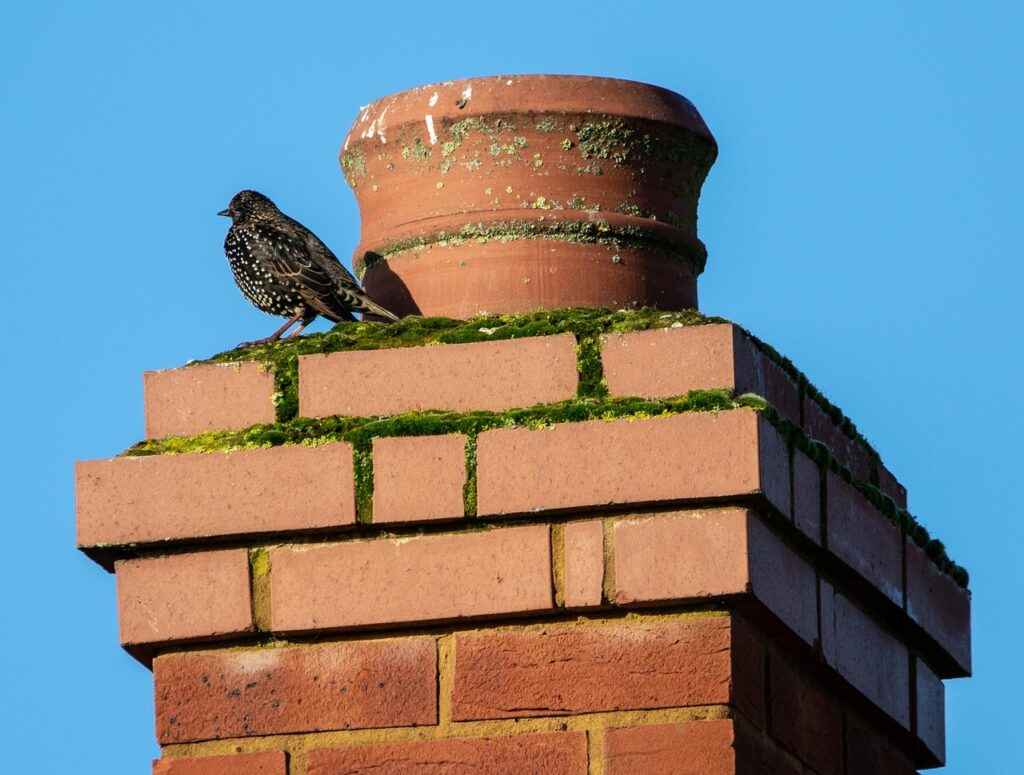
Chimney Cap:Sitting at the very top of your chimney, the chimney cap is a simple but vital safety feature. It keeps out rain, snow, animals, and debris, all of which can cause blockages or damage. A well-fitted chimney cap also helps prevent hot embers from escaping and starting a fire on your roof.
Spark Guard:A spark guard is a metal screen that fits over the chimney opening, stopping sparks and embers from flying out and landing on your roof or yard. This extra layer of protection is key to preventing house fires, especially when burning wood.
To keep your wood burning fireplace in top shape, schedule a thorough inspection with a certified chimney sweep at least once a year. They’ll check for creosote buildup, inspect the damper and flue, and make sure your chimney cap and spark guard are in place. Don’t forget to install smoke detectors and carbon monoxide detectors throughout your home, and never leave a fire unattended. By understanding your fireplace’s components and following these safety tips, you can enjoy the warmth and comfort of your fire while keeping your home and family safe.
How the Damper Makes A Big Difference
A fireplace damper is found near the base of the chimney and is similar to a door. It can be made of ceramic, cast iron, or any heat-resistant material, and it is what controls the safety of your fireplace. It ensures that gases and smoke can exit through the chimney.
Before the fireplace is lit, the fireplace damper should be fully open and must move smoothly. If the damper is closed or stuck, even just partially, the smoke won’t go up the chimney but will enter your living area. A simple damper check is a vital aspect of how to know if your fireplace is safe to use.
To ensure that your damper is safe, check for nesting material, soot chunks, leaves, and other debris. These prevent the damper from opening or closing properly.
The Chimney’s Important Role
From the fireplace, you can see only a glimpse of the chimney. This is not to say, though, that it does not play a significant role in keeping the fireplace working safely. After all, it is the chimney that produces the draft that pushes the smoke upward, all the way to the exit. As such, you should also inspect the chimney as regularly as you can.
A clear-cut, non-complicated way of checking your chimney is to use a flashlight and look up from the inside of the fireplace. It may sound simple, but doing this will help you determine whether everything is in good condition or if there are issues, such as heavy buildup or blockages. Blockages or poor draft can result in smoke entering the living space, which is a clear sign that the chimney needs attention.
It’s also important to examine the outside structure of your chimney. Try to see if there is debris or moisture, particularly if caps are missing and the masonry is cracked.
A complete fireplace check inspects not only the firebox but the entire system.
A Guide for Checking the Fireplace Before Use Each Season
If you do not use your fireplace regularly or if it hasn’t been used in months, you should perform seasonal checks to ensure that there is no damage and the system is working properly. This is the best way to prepare the fireplace before lighting it after being idle for a long time.
But first, you have to be sure that there are no items—such as decorations or furniture—in the area surrounding the fireplace. Then check if the damper is open. Additionally, there shouldn’t be any debris or leftover ash inside the firebox. Make sure you have a supply of seasoned firewood ready for use, as it burns cleaner and safer than unseasoned wood.
Always check fireplace before use if you want your first fire of the season to be pleasant and safe.
Simple Tips for How to Use a Fireplace Safely
Knowing how to use a fireplace entails more than just the act of lighting a match. You also have to consider proper airflow management, correct materials for burning, and using the right fuel. Always use dry wood, as properly seasoned, dry wood minimizes creosote buildup, reduces smoke and pollution, and ensures a cleaner, safer fire.
Be careful when lighting the fireplace as overheating the firebox can produce excessive smoke and heat. To help get the fire started, consider using dryer lint stuffed inside toilet paper rolls as an effective homemade firestarter for igniting kindling and early-stage fires. Make sure the fire is started and burning well before adding more logs. This will not only affect you (and the rest of your household), but it will also put stress on the system. So be mindful in keeping fires moderate. As the fire burns down, add more logs as needed to maintain the fire’s heat and duration. Remember that treated wood, cardboard, and trash produces harmful residue and smoke.
Your overall safety is a guarantee if you know how to use fireplace features such as airflow controls, glass doors, and screens.
Wood Burning Fireplace: How to Use It the Right Way
A traditional fireplace setup means using wood, so you’ll need to know how to use a wood burning fireplace properly. A wood fire provides a unique ambiance and warmth that many homeowners appreciate, making it a popular choice for both heating and atmosphere. And the first thing you need to do is find the right wood.
If you want an efficient fireplace, go for wood that burns cleaner than others. A good example would be dry, seasoned wood. If you want less heat but a lot of buildup and smoke, look for green or wet wood. Do remember to allow the fire to gradually build up instead of piling up too much wood all at once.
Keep an eye on the fire. Make sure that it burns evenly and gets enough airflow, which is what happens when you get a healthy fire.
Practicing these habits is the safest and most comfortable way of using a fireplace. The hearth, which is the protective and decorative area in front of the fireplace, should always be kept clear of flammable materials to maintain both safety and aesthetics.
What to Watch Out for When the Fireplace Is Lit
Even if the fireplace is already lit and the fire is going, you have to be aware of what’s happening. It is crucial to monitor the fire in the fireplace at all times to ensure safety and prevent hazards such as chimney fires or smoke entering your living space. You have to pay attention without spending all your time hovering over the fireplace. Just pay attention to how the smoke is moving—it should be moving upwards at all times; otherwise, it would spread throughout your living room.
If your eyes are irritated or there is a strong odor in your home, smoke may already have gotten into the room.
If you hear a sound coming from the burning wood, don’t worry, that’s normal. However, a cracking sound, especially if it’s not from the logs, is anything but normal. It is often a warning that something may be wrong. So it’s important to be near when using a fireplace so you can ensure that everything is safe and working well.
After the Fire Is Out
After the fire is out and the fireplace has cooled down, keep looking and try to see if ash has been safely removed. You can store it in a container, just make sure that it is kept away from your house so that ash does not pile up. If it piles up, airflow will be restricted.
Pay attention to unusual residues and lingering smells. Even if the fire is out already, you still need to keep the system clean and safe to ensure that fireplace working conditions are correct.
When to Hire A Fireplace Inspector
Most homeowners know every nook and cranny of their home, except for the interiors of a fireplace. You do not have the training and tools to check the areas you cannot reach and see. A professional fireplace checker is trained to go as deep as possible into the chimney.
Some issues may develop over time, including visible damage and strong odors. Smoke issues can also be a problem. If you notice any of these issues, stop using the fireplace and have a professional inspector work on them. They know how to work a fireplace.
Fireplace Questions That People Hesitate to Ask
Some homeowners have questions about their fireplace but often hesitate to ask, not because they do not want to, but because they do not want to sound inexperienced. Others would rather not ask because they’re thinking of the costly fixes that they might have to face after getting the answers they need. Regardless of how common the questions are, homeowners should not be afraid to ask—because asking questions is part of the learning process.
Here are three of the most common fireplace questions that users often
“How do I know that something’s wrong?”
If you notice changes in your fireplace system or in how your fireplace works, these are indications that there may be issues. Some examples are unusual sounds, new leaks or cracks, a stronger odor, and smoke getting into your living area. These changes, however, do not always signify that there is an issue or a problem; nevertheless, you should stop and take a look to verify.
“My fireplace smokes sometimes. Is this normal?”
If your damper is completely open or if airflow is restricted, smoke forms. Additionally, draft can also be affected by the weather conditions. But if the smoking happens more than normally, check to see if their is a probem.
“Am I using this correctly?”
This is the kind of query that most homeowners ask. It’s understandable because majority have not used a fireplace before.
If you know how to manage airflow, how to keep fires moderate, and using the right fuel, then you know what you are doing. Remember, though, that if something feels off, you shouldn’t take it for granted.
Final Thoughts: Confidence Comes From Understanding
A fireplace can look complicated and intimidating, but it doesn’t have to be. If you take the time to study and understand how it works, you’ll enjoy it without worry. If you give importance to regular maintenance checks, it will serve you for a long time.
On the contrary, a fireplace is a simple system—but it does depend on balance. It works well if you take care of it. It keeps you warm and comfortable if you regularly perform a fireplace check.
But if you feel that you’re not yet ready to handle fireplace maintenance on your own, or if you want assurance that you are doing the right thing, it is best to coordinate with professionals. A trusted team, such as TOR Chimney & Fireplace, will help you easily navigate through the fireplace inspection process.
In conclusion, remember that you don’t need to do things perfectly to keep your fireplace safe. You only need to be aware, consistent, and know when to move through the next step. If you approach every situation this way, you won’t have problems applying the right fireplace usage.