You’re on your cozy couch, watching some show on TV, and relaxing when you suddenly hear a faint chirp, a flutter, and some scratching coming from where the fireplace is. Then you realize that the sound is coming from the chimney. So now you’re probably thinking, “I can hear a bird in my chimney. What should I do?”
Fortunately (or unfortunately?), you’re not the only one who has had to ask that question. Year after year, homeowners get the surprise of their lives when they find birds inside their chimneys. Birds in chimneys are birds that get inside the flue to rest or build nests, and while that may sound harmless at first, it can quickly turn into a safety problem for the home. For some people, the idea is amusing, while others consider it a minor inconvenience. However, such situations should not be taken for granted because these birds can cause serious problems if left unattended.
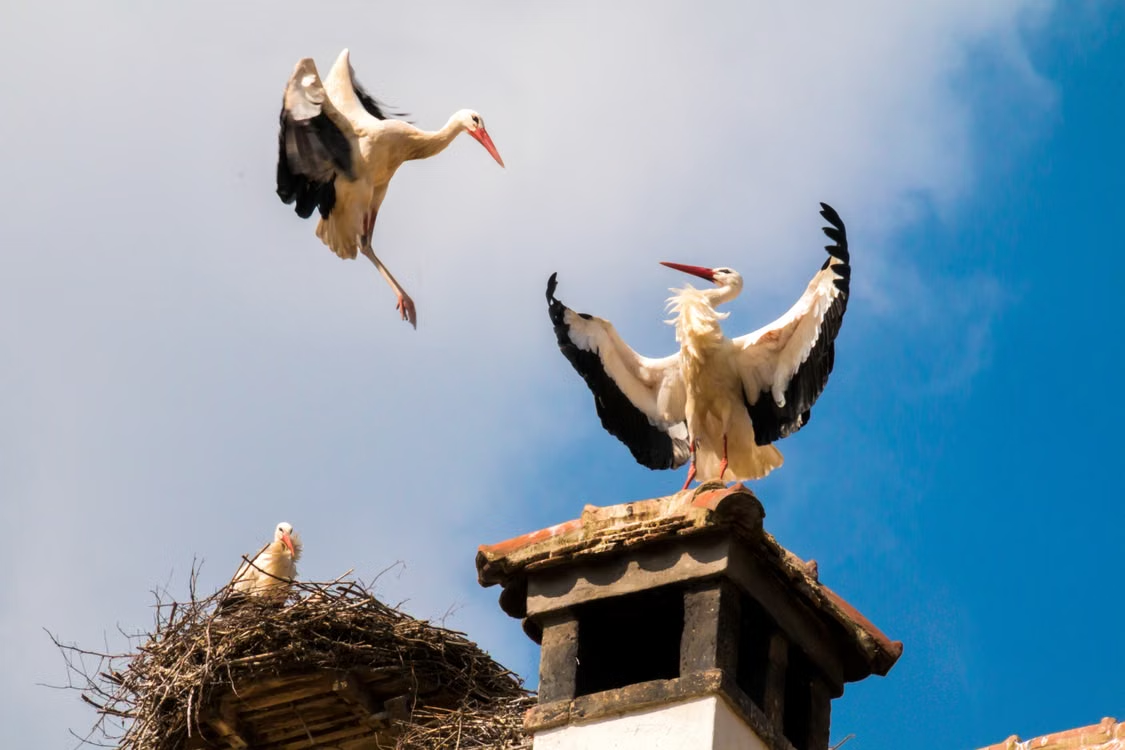
For birds and a few other animals (such as rodents and bats), chimneys are places of rest. Inside a chimney, they are safe – the perfect place to build their nest. But for homeowners trying to figure out what is in the chimney, whether the bird is trapped or nesting, and what to do next, animal nests inside chimneys are safety hazards because they can block airflow. And nothing good happens if airflow is restricted.
Birds are also exposed to danger when they nest inside chimneys because they can be trapped inside and get injured, and sometimes, it can be fatal. This is why experienced homeowners understand the importance of knowing how to get birds out of chimney. In this guide, you’ll learn why birds get into chimneys, the risks they create, how to assess the situation, when safe removal is possible, who to call for professional help, and how to keep birds from coming back.
Generally, there are three steps to follow if you remove a bird from your chimney. The first step is to determine what is happening; then you’ll need to find a way to remove the bird safely. The last step is to protect your chimney so the bird won’t return. Immediate action is needed if a bird is in your fireplace or chimney. Postponing any action can cause you trouble, such as structural damage, fire hazard, and unpleasant odors. You may also need to spend on repeated costly repairs.
Before going into a thorough discussion about these three steps, let’s first try to understand why birds love getting inside chimneys.
Why Birds Get Into Chimneys
When birds look for a place for nesting, they choose places or areas that provide shelter from the wind and rain, like hollow trees. This is the primary reason why they are attracted to chimneys. Birds, or at least certain species, look at chimneys the way they do these naturally hollow trees. They feel safe and protected – sheltered from harsh external forces. Some of the birds that live in chimneys are pigeons, sparrows, starlings, and (obviously) the chimney swifts.
The spring and summer seasons are usually favored by birds on chimney tops because this is when they go around and check the chimney area. Additionally, some birds may already be starting to build their nest during these times.
While birds recognize the kind of protection chimneys provide for them, they do not know or understand that nesting in your chimney will significantly affect the safety and efficiency of your home’s ventilation system. They only know that the chimney is like their fortress and protector.
What a bird usually does is pile up the nesting materials inside the chimney flue. This can be dangerous because it can restrict airflow. Also, when a bird is trapped inside, it can end up invading your living spaces. Would you want to have birds in the fireplace? No homeowner would want such a situation to happen to them because there are safety risks.
Every Homeowner Should Know the Safety and Fire Hazard Risks of Having Birds in Chimneys/Fireplaces
Finding a bird in your chimney may leave you annoyed, amused, or confused. That’s understandable. But you should be worried, too, because having a bird stuck in your chimney exposes you to a lot of risks.
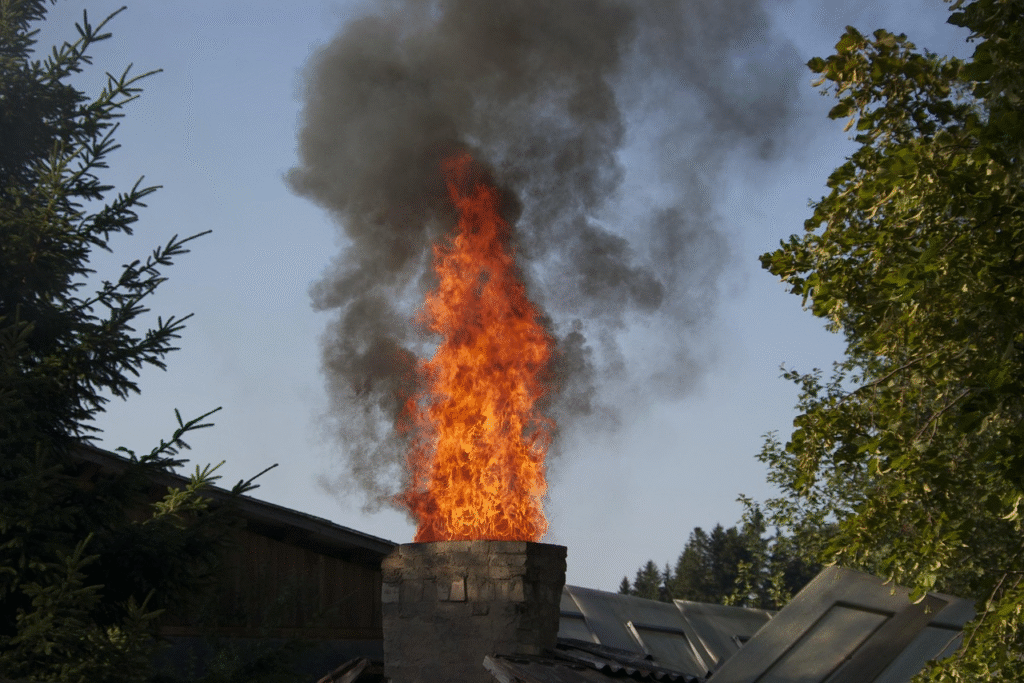
You may not hear them reported in the news, but chimney fires are not unusual. In the United States, between 17,000 and 25,000 chimney fires are reported every year. The most common causes of these fires are blocked flues and creosote buildup. Although bird nests are not the main (and only) reason for the fires, they contribute significantly because they restrict airflow. In addition, nesting materials are flammable. A bird nest is composed of the following:
- Leaves
- Feathers
- Dry twigs
- A little debris
- Grass
When exposed to heat, these materials will easily ignite.
Another reason why birds in chimneys should be dealt with right away is the fact that when airflow is restricted, smoke, carbon monoxide, and gases are trapped, so they go back into your home instead of escaping and going out of the chimney. Birds and their nests can also spread diseases and parasites. So, even if you don’t experience a chimney fire, you should still be worried because a blocked flue can expose your home to persistent unpleasant odors and poor air quality. The bad air in your home, along with droppings and rotting material, can pose respiratory health risks to humans.
Aside from these problems, you’ll also have to deal with your finances. Whether you have enough or not, you’ll be spending more in the long run if you do not take care of the nesting issue immediately. For example, unattended nesting can cause chimney liner damage or even a chimney fire. This will dramatically increase repair costs.
So, as soon as you find birds in chimneys, take care of the issue right away so it does not become a serious problem.
Now that you know what the risks are if you take bird nesting for granted, let’s discuss the three major steps involved in removing birds and bird nests from your chimney.
Step 1: Determine If the Bird Is Trapped or Nesting
The first thing that you need to do is find out what’s really happening inside your chimney. This is important because you won’t want to harm the bird, especially if it’s just exploring around your chimney.
There are three possible scenarios when you find a bird inside your chimney:
1st scenario: The bird is just checking out the space, trying to get an idea of what it is or if is good for nesting.
2nd scenario: The bird is trapped inside the chimney.
3rd scenario: A nest has already been built in the chimney, and the bird is there with its young.
Knowing what the exact situation is will help you determine the right solution.
Pay Attention to Clues
It’s important to pay close attention to the sounds coming from your chimney, because a few signs can help you understand what’s happening.
If the bird is trapped, it will produce these sounds:
- Persistent and distressed chirping
- Non-stop fluttering or flapping
- Frequent scuffling and scratching
- Wings loudly beating against the chimney walls
If the chirping is at particular times every day, especially in the morning, there may already be a nest with baby birds inside your chimney; nesting swifts may be heard begging for food during spring and are often present from March to October.
Now that you know the signs to watch out for, you’ll finally stop wondering what’s happening inside your chimney.
Pay Attention to Outdoor Activity
If you want to make sure that the initial clues you found are right, go out of your house and observe your chimney.
Are there birds flying in and out of the opening?
Observe the top of your chimney. Do you see something that resembles nesting materials sticking out of it?
If your answer to both questions is yes, there may already be a nest inside your chimney.
Don’t Light a Fire
Do not start a fire if there is/if you suspect that there is a bird inside your chimney. You must keep this rule in mind – and follow it.
Do not force the bird or birds out by lighting the fireplace. This is not only an inhumane act, but it can also cause you more problems, especially if there are nesting materials. You can damage your chimney, injure the birds, or cause a chimney fire.
What To Do If the Bird Is Already In Your Fireplace
Having birds in the fireplace can be stressful, confusing, and scary all at the same time. There’s no need to be, though, because it happens to a lot of homeowners – more often than you know.
Also, there are things that you can do to correct the situation and prevent damage and danger. If a bird has entered your living space, here’s what you need to do:
- Don’t panic. Stay calm.
- Take your children and pet/s away from the bird (and the room).
- If there are interior doors in the area, close them.
- If there’s an exterior door or a window, open it.
- Ensure that ceiling fans are turned off.
- Guide the bird by shining light from the exit side and give it space so it can move toward natural light, rather than chasing it.
Give the bird a clear exit path so that it can find its way out. If you keep the room calm, it may find its own way.
If the bird cannot fly or is injured, get in touch with a professional who’ll know how to heal the bird. Do not try to catch it yourself unless a qualified rescuer tells you to.
Step 2: Carefully and Safely Remove the Bird
After verifying that the sound you heard is a bird inside your chimney, it’s time to try removing it safely.
There are several tips that you can follow to learn how to get birds out of chimney systems. But before you do them, it’s vital to consider what you learned in step one.
There are specific methods to follow if the bird is just trapped (probably after exploring) and no nesting is involved. It’s a bit more complicated, though, if there’s a nest, the bird and its baby birds, and eggs.
Tips for Safely Removing Birds From Your Chimney
If you’re stressed and scared upon finding a bird in your chimney, the bird is as well. Imagine being trapped inside a place or space you are not familiar with. Imagine not being able to move because the space is limited. How you’d feel in such situations is what a trapped bird feels when it is trapped inside a chimney. Even the slightest movement or noise will stress them out and scare them. So if you try to remove it aggressively from the chimney, you’re only making the situation worse.
What you should do is:
Give the bird a safe path to move around and escape. The goal is to help it get out on its own, not handle it directly unless necessary.
If the bird is already in your living space – in the area where your fireplace is – make sure that the damper is open and then find an access to a window or an exterior door. Once the bird realizes there’s a way out, it will fly to that opening by itself.
Never chase the bird around the space or the house. You have to stay quiet as well; don’t make any unnecessary sound and movement. Remember, sudden movements and sounds can frighten the bird. When this happens, getting the bird outdoors will prove to be challenging.
Tips for Getting Birds Out When They’re Inside the Flue
You need to remove the bird from the chimney, but it’s high up, near the flue. What should you do? The most important thing that you’ll need to be is patient – because it’s not going to be easy.
If the bird is not exhausted or injured, it can fly up the chimney top on its own, eventually finding the way out. But if the bird is too tired, injured, or trapped, there are simple steps that you can follow before deciding to seek professional help.
Basically, the steps are similar to the tips previously mentioned:
1. Ensure that the fireplace damper is open, and create a clear exit path for the bird.
The fireplace damper should be fully open so the bird can easily go into the fireplace. Getting it back into the fireplace can make it easier for you to remove the bird, or for the bird to escape.
As debris and soot may fall when you open the damper, be sure to put drop cloths or old sheets around the fireplace area.
2. The room should be quiet, so minimize noise and activity.
Loud noises and abrupt movements can scare, stress out, or disorient the bird. So ensure that your TV is off and your children and pets are not in the room. Don’t allow people to gather around the fireplace as well. The room should be calm, as this can help the bird move and find the exit on its own.
3. Find Natural Light
If the bird is already in your living area, all that you need to do is find an exterior door or open a window (close to where the bird is). This will allow natural light into the room and guide the bird out of the room.
If there are several windows in the area, close the blinds or curtains so the bird can easily identify which one to fly to and exit from.
4. Take Time to Observe
Before doing anything, try to find time to observe the bird and what it does. If bird activity stops, if no sound is coming from the fireplace anymore, the bird may have already found the exit. If a bird hasn’t been trapped that long, or if it is not tired or injured, it can fly out of the chimney on its own.
5. If the Bird Doesn’t Leave, Seek Professional Help
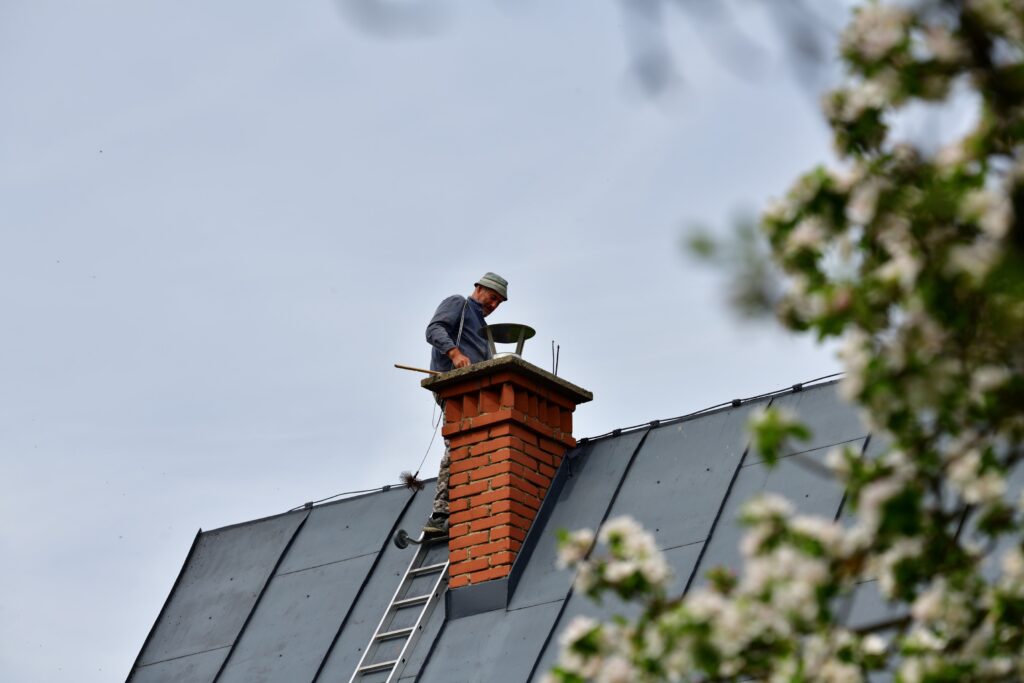
If the situation involves a bird trapped in the flue, and it is injured or has been inside for hours already, get in touch with your professional chimney inspection provider. Chimney technicians are trained and experienced in dealing with birds trapped in chimneys. If the bird is behind a gas fire or any gas appliance, stop and call a professional immediately. They also have the tools needed for thorough flue inspection and safe bird removal.
What not to do:
- Force the bird out using smoke
- Light the fireplace
- Spray the chimney with water
- Grab the bird from above
- Drop objects into the flue
Doing any of the methods above can damage your chimney and injure the bird.
Tips for Removing A Bird From Your Chimney When a Nest Is Involved
If the bird has already started nesting inside your chimney, extra care is necessary, especially if there are already young birds. Additionally, you also have to consider wildlife laws. Chimney swifts are protected by the Migratory Bird Treaty Act. You have to know how and when to remove an active nest without violating legal and ethical guidelines, since protected species cannot be disturbed during nesting season. It is for this reason that professional inspection is necessary for such situations.
Hiring a qualified and experienced professional chimney maintenance specialist can help you find out if:
- The nest is active
- The species involved
- Removal is allowed
- The best way to proceed
Learning how to remove birds from your chimney is for homeowners who need help with nests in their chimney, rather than just one trapped or injured bird. Knowing the difference between the two will help you determine the right solution for your situation.
Who to Call If You Need to Get A Bird Out of Your Chimney
Aside from knowing what to do, it is also important to know who to call to get bird out of chimney systems properly. Your options depend on your location:
- Professional chimney maintenance specialists/technicians
- Animal control services (in your area/local office)
- Animal rescue groups
- Licensed wildlife or critter control services with bird-removal experience
- Wildlife removal specialists
Providers should use humane methods, since wild birds are protected by law and, in the UK, are covered under the Wildlife and Countryside Act 1981. Professionals should never kill protected birds during removal.
Professionals and specialists are not only knowledgeable and trained; they also have all the equipment necessary for a safe and successful inspection, removal, and maintenance.
What Takes Place During A Professional Bird Removal?
Hiring a professional to remove bird from chimney systems is advisable because they follow a straightforward process.
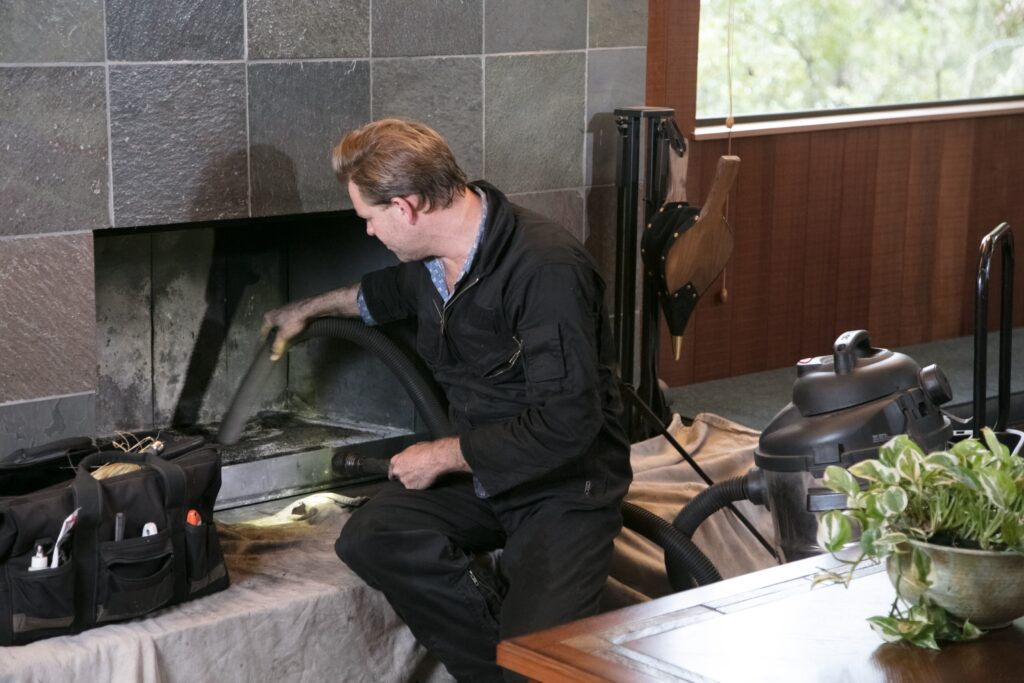
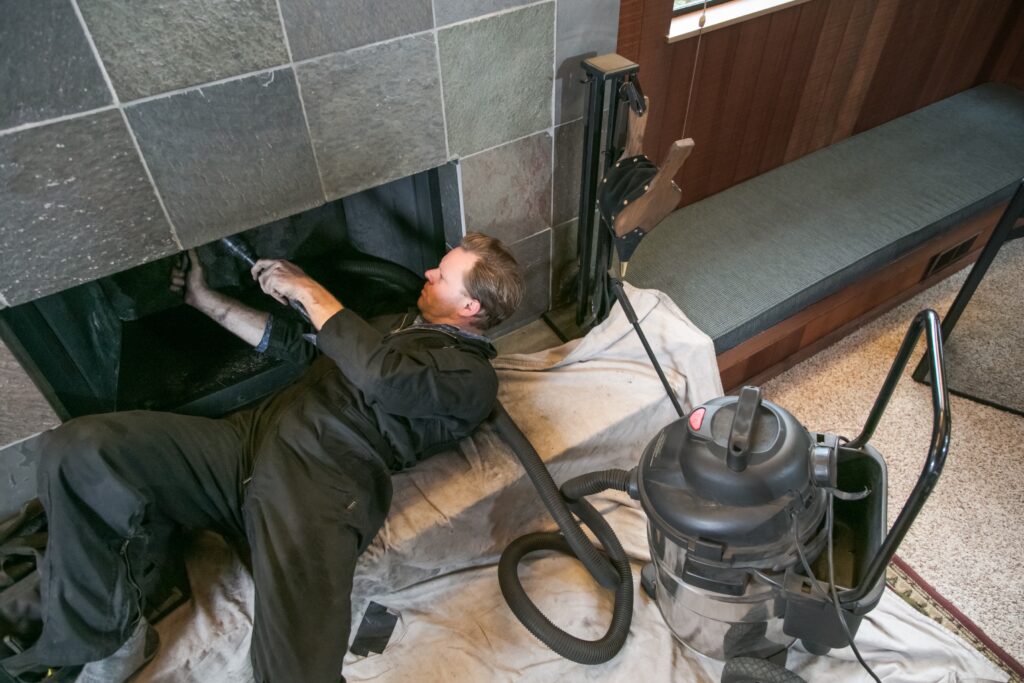
The first thing that they do is to thoroughly inspect the chimney. They have specialized cameras and tools for doing this. This process is necessary for locating the bird and verifying if it’s already nesting. Inspections also help confirm if there is damage.
The second step is to safely get the bird or nest out of the chimney. Before doing so, however, they check with local regulations to make sure that they are not violating any rules.
The last step in the process is chimney evaluation. This will help the technicians come up with future preventive measures. Removing the bird or nest is just one aspect of the solution; the technicians also need to ensure that access is no longer possible in the future.
Common Bird Removal Mistakes to Avoid
Some homeowners resort to DIY (Do It Yourself) methods when they need to get a bird out of their chimney systems. Instead of helping, homeowners like this are the reason why simple issues become bigger problems. These are mistakes you should avoid.
Here are some of the most common mistakes that some homeowners make:
- Postponing necessary actions for weeks
- Using poles or sticks to remove nests
- Treating the chimney with chemical solutions
- Scaring away the birds by lighting a fire
- Accessing the roof without the right equipment
Birds on chimney issues are typically easy to resolve when addressed right away. Postponing action increases the possibility of blockages and damage caused by nesting materials.
Step 3: Avoiding Future Bird Issues
After removing the bird, you should shift your focus to coming up with preventive measures. You wouldn’t want to keep dealing with the same problem every time summer or spring comes along. Solutions shouldn’t be temporary.
You’re in luck, though, because there are several things you can do to prevent the birds from returning to your chimney.
Upgrade Your Chimney By Sealing It With a Chimney Cap
Having a sealed chimney cap will make a big difference because it is a protective cover. Similar fittings such as a chimney cowl also allow gases and smoke to escape safely while blocking birds and other debris and preventing them from entering.
A chimney without a cap is very inviting to birds and other wildlife. But with a chimney cap on, it will be safe from:
- Animal entry and bird nesting
- Debris buildup
- Rainwater infiltration
- Airflow restriction caused by leaf buildup
Caps and cowls are among the best preventative measures for keeping birds out long term.
It may sound like a simple solution, but for some homeowners, the sealed chimney cap has been a big help for years.
Regularly Scheduled Chimney Inspections Are Important
Scheduled or routine chimney inspections are vital if you want to keep your system safe at all times. Professional chimney specialists check not only for issues that can cause fire, but also for any indication of wildlife activity. It helps them determine if the chimney has:
- Cracks and other structural damage
- Leaves, twigs, and other nesting materials
- Damaged or loose chimney caps
- Openings where animals, including birds, can get in
- Airflow/Ventilation problems
Identifying these issues as early as possible will help prevent simple problems from becoming bigger and more serious. It can help prevent problems from repeating and your expenses from increasing in the long run.
Take Care of Bird Activity Around Your Roof
If you’ve had bird activity on or around your chimney roof, you should find time to observe and try to find out what attracts them to the area. If there are food sources near your roof area, this can be a reason for the attraction. Birds also like spaces with easy access points and sheltered ledges.
You can reduce animal visits if you remove everything within and around your roof area that attracts them. Visual deterrents such as shiny objects or predator decoys may also discourage birds from lingering near the roof. Sonic devices emit predator sounds, but the most effective way to stop repeat visits is usually to block access to the chimney.
Do Chimney Spikes Help?
At this point, you may also be wondering about spikes chimney sweep and the possibility of using it to control bird or animal chimney falls or entries.
While spikes can deter birds from landing on or falling into some surfaces, it does not do what a chimney cap can do. For spikes to work effectively, you’ll need to pair them with other preventive methods. You also have to ensure that they are properly installed; otherwise, they may cause some maintenance problems.
So even though spikes may help, the most effective solution for controlling bird entry into your chimney is the chimney cap.
Prevention Is More Practical Than Repairs
Adding preventive measures to your birds in the chimney fix is important. It will not only help you deal with the possible problems you may face, but it will also prevent you from worrying about extra expenses caused by repeated repairs.
Yes, you may need to deal with repeated repairs if you don’t attend to birds in your chimney right away. If the bird is nesting already, these are the possible problems you’ll need to deal with:
- Poor ventilation
- Restricted airflow
- Damage caused by water seeping into the chimney
- Unpleasant and persistent odors
- Increased chimney fire risk
Preventive action protects your home and your chimney, and protects you from unwanted expenses over time.
Some Frequently Asked Questions
Why is there chirping in my chimney?
Chirping in your chimney can be an indication that there’s a bird inside and that it may already be nesting. In some cases, the nest may be for the bird and its baby birds.
Is there a safe way of getting a bird out of a chimney?
The safest way to remove a bird from a chimney is to ensure that you are calm, natural light comes in, and there is a clear exit path for the bird. Once the bird sees the path, it will go out on its own through the clear, unobstructed way out.
If a bird is unable to go out on its own, call your professional chimney maintenance specialist.
What dangers do birds in chimneys bring?
Birds in chimneys are generally harmless, but when they start nesting, that’s when the dangers happen. Nesting can be a fire hazard, cause airflow restrictions, chimney damage, and other significant problems.
Is it okay to remove a bird from my chimney on my own?
Yes, you can, but only sometimes. Only for simple single-bird situations, because it may be easier for them to fly out through an exterior door or open window. For more complicated situations, especially when there are nest, eggs, and baby birds already, the best thing to do is to call for professional help.
Which birds, such as chimney swifts, typically nest in chimneys?
Birds that live in chimneys are pigeons, starlings, sparrows, swallows, and chimney swifts, along with other species depending on the region where you are. Chimney swifts often nest in masonry chimneys and similar structures. They migrate to South America for winter and can eat up to 12,000 insects daily.
What should I do to stop birds from entering my chimney again?
To prevent birds from getting into your chimney again, use a sealed chimney cap to protect your system.
In Conclusion
Discovering that you have birds in chimneys can be stressful, confusing, and even scary, but it doesn’t have to be a serious problem. This is possible only if you address the situation immediately.
To do this, you only need to follow the 3-step process: identify and verify if the bird is just trapped or already nesting, safely and humanely remove the bird, and practice preventive measures to ensure that birds don’t get inside your chimney again.
Whether you’re understanding how to get birds out of chimney, seeking advice on how to get birds out of your chimney, or learning who to call to get birds out of chimney systems, you should always prioritize safety – for the bird and the chimney, for yourself, and your home.
If you ignore that faint but persistent chirping sound that you’ve been hearing for several days now, the issue can become a serious problem tomorrow. You need to address the situation right away and invest in preventive solutions as well. Most of all, you’ll need to get in touch with trained, experienced, and reliable chimney maintenance specialists, such as the TOR Chimney team. Contact them right away if you don’t want that faint chirping to endanger your system, your home, and your family.