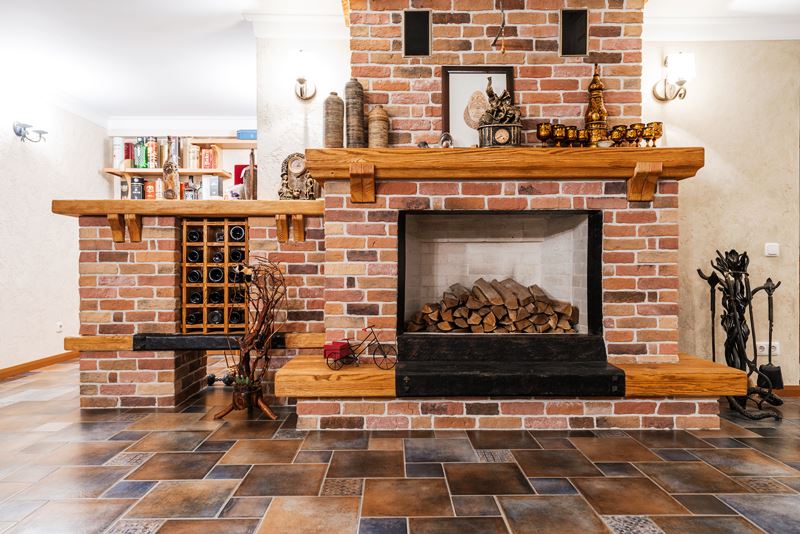
Thanksgiving is a time for family, good food, and making the home feel warm and welcoming. To get your fireplace ready for Thanksgiving, inspect and clean the fireplace and chimney before the first fire, remove debris and creosote, check for blockages or damage, and make sure basic safety measures are in place. For homeowners who use a fireplace, that prep matters because Thanksgiving is often the first major fire of the season, when months of dust, animal nests, smoke problems, or hidden chimney wear can turn a cozy gathering into a safety issue.
In certain areas, fireplaces can sit unused for months outside of winter. If your fireplace has been sitting unused for a while, now is a reasonable time to give it a proper inspection. Dust, debris, creosote, and animal nests may be present. You might even find deteriorated or damaged masonry in certain areas of your chimney, as well as other problems that may have developed over time that are not immediately obvious from inside the house. Taking the time for fireplace preparation and chimney preparation can help ensure that you and your family will enjoy the coming holidays with greater peace of mind.
Regardless of the type of fireplace you have in your home, whether it’s a traditional wood-burning fireplace, gas, or another type of fireplace, always remember to include basic maintenance and safety checks in your Thanksgiving plans. Here is a guide on how to make sure your fireplace ready for Thanksgiving checklist is complete before the holiday arrives.
Why Fireplace Safety Matters Around Thanksgiving
Thanksgiving is celebrated just before winter officially begins, and as the weather gets colder, homes with fireplaces will find renewed appreciation for the appliance as it increasingly becomes a regular source of warmth. Thanksgiving is arguably one of the first major occasions when homeowners use a fireplace after many months of inactivity. That makes this time of year a good opportunity to think about Thanksgiving fireplace safety. A fireplace may look sturdy and strong while actually concealing problems that have gradually developed over the previous months when it remained unused.
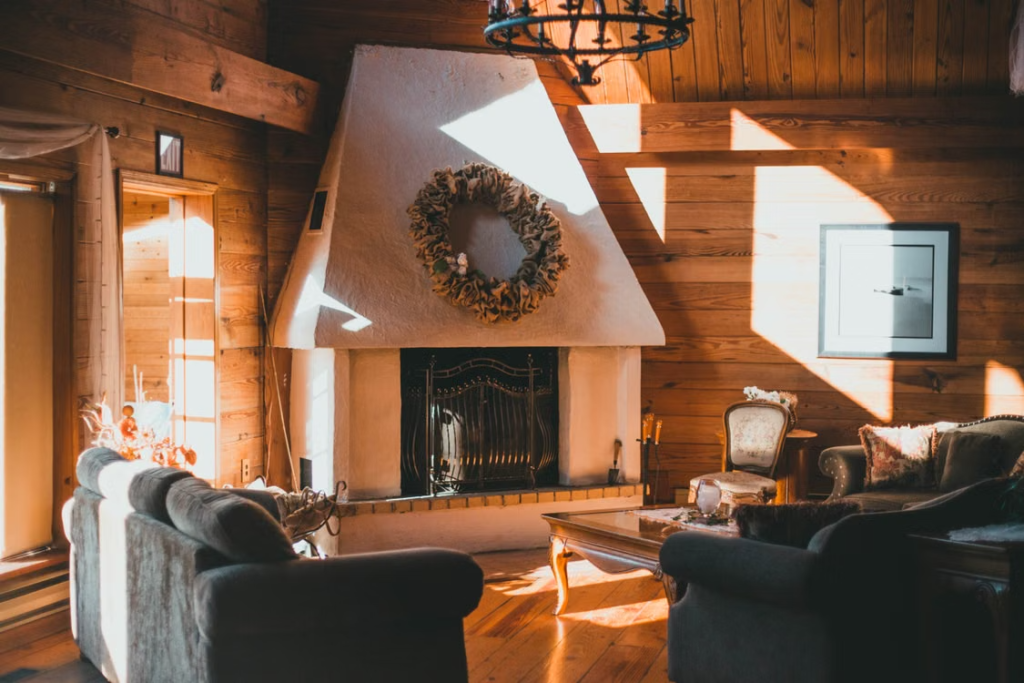
Chimneys, regardless of how often they’re used, can develop different issues over time. They can collect creosote, components like the cap can become damaged, or leaves, birds’ nests, and other debris can find their way inside. Even the tiniest issues can quickly become serious once fire is involved. There is also more activity around the home during this time of year, especially as Thanksgiving dinner approaches. Family members may be moving between rooms, children may be playing nearby, decorations may be placed around the fireplace, and the kitchen may already be busy with cooking.
All of this makes basic fireplace safety even more crucial for homeowners. Your main goal as a homeowner is not to complicate things, especially when using the fireplace. What you want is to learn and apply a few sensible steps to ensure the safety of your family and home, and that includes proper fireplace and chimney maintenance before the holiday, so you can enjoy the warmth of your fireplace without unnecessary risks.
Start With a Good Fireplace Maintenance and Inspection
One of the most basic ways to start is with a good fireplace inspection. Before placing firewood on the grate, take a moment and look at the fireplace and the surrounding area. For example, check the firebox for visible cracks, damaged mortar, loose bricks, or other signs of deterioration. If your fireplace has doors or a screen, make sure they are in good condition as well. You may also want to check the spaces around the hearth. Furniture, rugs, decorations, blankets, toys, and other combustible items should be kept at a safe distance.
If you notice anything that looks unusual during your inspection, don’t just ignore it or take it lightly. Deterioration is gradual, and damage can worsen over time. A knowledgeable professional can help you determine whether repairs or additional maintenance are required for your fireplace and chimney. A visual check is a good initial step, but a professional inspection is always the better approach when necessary.
Make Sure The Chimney Is Clean
One of the most crucial aspects of fireplace preparation is making sure the chimney is clean enough to be used safely. When wood burns, the combustion produces smoke, chemicals, and deposits known as creosote. Over time, creosote buildup can occur inside the chimney. If enough of this material accumulates, it can quickly become a serious fire hazard. As you can see, your chimney is not just vulnerable to outside elements, leaves, nests, and other debris; it is also at constant risk from soot and creosote buildup.
That is why chimney cleaning should never be overlooked or taken for granted when preparing for the holiday season. The amount of work and cleaning a chimney will require varies depending on several factors like how often the fireplace is used by the household, what type of wood is burned, and so on. Chimneys should still be cleaned at least once a year as a basic standard. If you’re unsure when your chimney was last cleaned, then perhaps you should contact your local professional chimney sweep. These guys can inspect the interior of your chimney and remove accumulated deposits when necessary.
You should not assume that a chimney is good and clean just because the fireplace looks clean and ready to use. The areas that matter most for ventilation and fire safety are often out of sight and difficult to access. An annual inspection and cleaning routine, performed by a professional, can help identify developing problems before they turn into extensive and costly repairs.
Look for Chimney Blockages
Cleaning is only part of proper chimney preparation. You also want to make sure the chimney is free from anything that could block or interfere with airflow. Keep in mind that a chimney’s purpose is to ventilate or direct smoke and other hazardous chemicals outside; even a small blockage can prevent it from doing its job. Leaves, small twigs, animal nests, and other debris can sometimes make their way into the chimney, especially when the chimney cap is missing or damaged. Birds and other small animals may also see an unused chimney as a good place to build their nest.
A blocked chimney can interfere with the normal flow of smoke and combustion gases. In certain cases, where the blockage has become severe enough, smoke and other harmful gases are pushed back into the living space instead of venting safely outside. A professional chimney inspection can help identify blockages and other potential issues that may be present and are invisible from ground level. This is particularly important for homeowners who have not used their fireplace for a long time. So before you prepare your chimney for winter, you need to make sure that there is a clear path for smoke and combustion gases to vent out.
Check the Chimney Cap and Exterior
Most homeowners, when performing visual checks on their fireplace, will often focus only on the inside of the fireplace and totally forget about the chimney itself. This is especially true when it comes to the exterior of the chimney. From a safe vantage point, you should take a look at the chimney and check for obvious signs of deterioration or damage. During your inspection, you may notice water stains, cracked masonry, missing materials, or even a damaged chimney cap.
The chimney cap plays a significant role in keeping unwanted debris and other materials out. A chimney cap is crucial in helping to prevent rain, leaves, twigs, nests, and animals from entering the chimney and causing potential blockages. However, if you’re not fit or equipped for the job, you shouldn’t climb onto the roof just so you can perform a quick holiday inspection. Roof and chimney work can be dangerous, especially when surfaces are wet or icy.
If you see something during your initial inspection that looks damaged or if you’re unsure about the real condition of the chimney, it is best to have a qualified professional take a closer look. This approach, when it comes to chimney maintenance, can be useful as part of your effort to prepare chimney for winter.
Getting Your Fireplace Ready Before Guests Arrive
If you want your fireplace ready for Thanksgiving, don’t wait until everyone starts arriving and is sitting down for dinner to identify problems. Make sure that you have enough time to properly inspect the fireplace, remove old ash, clean the screen or doors, and store the appropriate firewood to use.
When removing ashes from the fireplace, keep in mind that they can still remain hot long after a fire has been extinguished. Use the appropriate equipment when removing the ashes and place them in a suitable metal container with a secure lid. Remember to keep the container away from combustible materials and always follow your local disposal recommendations.
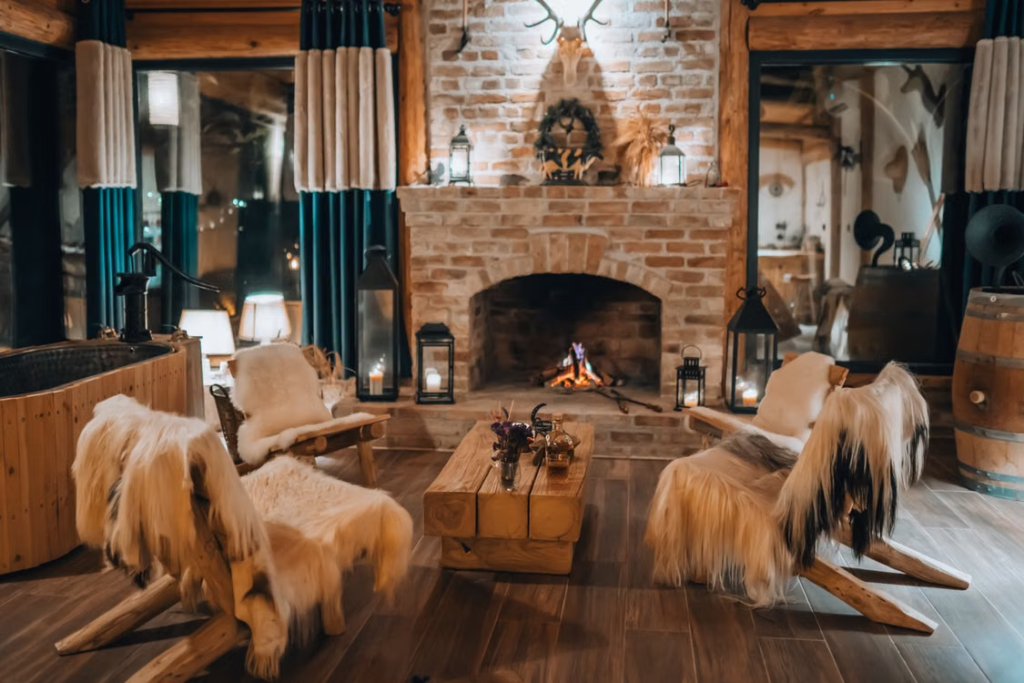
Moreover, it is also a good idea to always check your fireplace tools and make sure they are in usable condition. A sturdy poker, shovel, and other appropriate tools can make managing a fire easier. These simple steps are part of good fireplace maintenance and can make the holiday experience easier and much less stressful, especially when you have a house full of guests.
Using the Right Firewood For Your Fireplace or Gas Fireplace
A safe fire starts with using the appropriate fuel. If you have a wood-burning fireplace, use only dry, properly seasoned hardwoods to help reduce creosote buildup, such as oak or maple. Properly seasoned firewood is typically dried for at least 6–12 months. Wet or green wood produces excessive smoke and creosote. Burning softwoods can also lead to more buildup inside the chimney. Burning unsuitable materials, other than firewood, can also create additional problems over time. So you should never use your fireplace as a furnace to burn household trash, plastic, painted wood, treated lumber, or other materials that were never intended for fireplace use.
It is also a good idea to keep your firewood stored in an appropriate location instead of just stacking it directly beside the fireplace. You want to have enough wood available, stored safely in the right place, without creating a potential fire hazard inside the home. If you are planning several fires during the holiday season, stock firewood off the ground to help prevent pests and protect it from moisture. Good firewood preparation is just a small part of overall fireplace safety, but it is no less important.
Keep Thanksgiving Decorations Away From the Fire
Thanksgiving decorations, while they are beautiful and can make a living space feel festive, can be a fire hazard when placed too close to an active fireplace. Garlands, dried flowers, paper decorations, blankets, stockings, candles, and other seasonal items can easily catch fire if they are too close to heat or get hit by stray embers. So before you start decorating your living room, think about the space around the fireplace. Keep the hearth and surrounding space clear of any decorations or materials that can easily fall into the fire.
It’s also important to make sure that decorations do not interfere with the fireplace screen or doors, vents, and other components. This is one of the most basic fireplace safety measures that takes very little effort but can help prevent a serious problem.
Keep an Eye on the Fire During Thanksgiving
When you’re entertaining guests and once the fire is going, safe habits still matter. A Thanksgiving gathering can be busy, especially for the host. People may be talking, eating, watching a game, helping in the kitchen, or entertaining children. It is easy for a fireplace to be neglected, becoming something that everyone assumes someone else is watching. Never leave a burning fireplace unattended. Make sure the children and pets are at a safe distance away at all times, and use a properly positioned fireplace screen or doors where appropriate.
When using a fireplace, consider its size and capacity. Do not put more wood on the fire than the fireplace is designed to handle. A larger fire is not necessarily better in terms of providing adequate warmth. In fact, trying to make the fire burn too intensely can create unnecessary heat and increase the risk of problems.
It is also helpful to make sure everyone in the household knows the basic rules around the fireplace so they at least assist in looking after it once the guests arrive. Your guests may not be familiar with your fireplace, so they should not be expected to manage it themselves. Good Thanksgiving fireplace safety is mostly about maintaining awareness and avoiding unnecessary risks.
Never Ignore Smoke or Any Unusual Odors
A fireplace that’s working properly should vent smoke away from the living space. If smoke begins to spill out inside the room, that is a sure sign that something needs your immediate attention. There can be different causes for smoke entering the room; this includes blockages, venting or airflow issues, and other chimney concerns. Instead of trying to solve the problem yourself and failing, just stop using the fireplace and have it checked by a professional.
The same applies to unusual or persistent odors. If you notice a strong smoky smell that continues even when the fireplace is not in use, this can signify an underlying issue that should be identified immediately. Homeowners should also install working smoke and carbon monoxide detectors in key areas of their home. And just like the chimney, these devices should be inspected regularly as well. Replace the batteries when necessary, especially as the holiday season approaches and fireplace usage increases dramatically.
Fireplace safety is not just about preventing visible flames from escaping. Proper ventilation and functioning alarms are crucial aspects of overall chimney safety as well.
Knowledge is Key When Something Goes Wrong
Even with meticulous preparation, homeowners should have a basic idea of what they should do in case a fireplace problem occurs. If smoke starts filling the room, the smart thing to do is to move the occupants away from the area and extinguish the fire immediately. If you suspect chimney fires or see flames where they shouldn’t be, get everyone outside and contact emergency services. Don’t put yourself or anyone else at risk by attempting to investigate the problem. A chimney fire can quickly become dangerous, before you know it. The safest and most logical response is to focus on the people instead of the property.
If a carbon monoxide alarm sounds, leave the room immediately and follow your local emergency guidance. Carbon monoxide is invisible and odorless. This is why a detector is necessary and should serve as an early warning system before you or anyone in your home starts to experience symptoms. Knowing the emergency steps before Thanksgiving guests arrive also reinforces the importance of planning ahead. Knowing what to do in an emergency is just as important as preparing the fireplace and chimney beforehand.
That preparation matters even more in cold weather, when fireplaces may be used more often.
A Simple Fireplace Safety Checklist
Before igniting your first Thanksgiving fire, you should take a moment to create a simple plan or checklist for you to go through. This list may include giving the fireplace a once-over for visible damage, making sure the chimney is clear of any blockages, scheduling professional chimney cleaning if necessary, and contacting a professional to do a thorough chimney inspection if your chimney has not been checked for a long time or if you notice a potential problem. If you use the fireplace frequently, you may need cleaning or inspection sooner than expected.
You should also have someone check the chimney cap for obvious signs of damage, although if you’re hiring a professional to inspect the chimney, checking the cap should already be a part of that process. Your checklist should also include clearing the area near the fireplace of any decorations and other combustible materials. Finally, check the fireplace screen or doors, as well as your smoke and carbon monoxide alarms. Test them to make sure they are working properly and have fresh batteries. A simple checklist helps support season-long safety and efficient fireplace use.
With a basic to-do list, you can prepare fireplace for Thanksgiving more effortlessly and without turning the whole process into a major project.
When To Call a Chimney Professional
If you cannot remember the last time your chimney was cleaned or inspected, that alone can be a good reason to schedule a visit from a professional. The same applies if you notice cracks, water damage, smoke problems, unusual odors, suspected blockages, or significant creosote buildup. A professional chimney sweep can clean the chimney when necessary, while an inspection can help evaluate the true condition of your fireplace and chimney, and whether it is safe to use.
If you are planning to use your fireplace regularly in the coming winter, Thanksgiving is a convenient reminder to prepare fireplace for winter instead of waiting until a major problem presents itself.
If you feel that your fireplace or chimney requires professional attention before the holiday season, TOR Chimney can help you take the right steps toward a safer, better-prepared fireplace. Reach out to TOR Chimney to schedule the inspection, cleaning, or maintenance your chimney needs before Thanksgiving.
.
 LABOR DAY PROMO: 20% OFF on Install Charge for Gas & Wood Inserts