A fireplace can provide warmth inside the home and make it feel more welcoming, especially during the colder months. But keeping the fireplace and all of its components in good condition involves more than just cleaning the hearth, removing ashes and other deposits, and making sure the fire burns properly. One crucial part of this system that homeowners sometimes overlook is the chimney flue, which directs smoke and combustion gases out of the home and helps the fireplace operate as it should.
Over time, the flue liner inside the chimney can crack, deteriorate, or become unsuitable for its job. In that case, relining your flue means installing a new liner inside the chimney passage so it can safely carry smoke and harmful gases outside again while also protecting the chimney structure. For homeowners who use a fireplace or other heating appliance connected to a chimney, this is not just a technical repair – it is a key part of reducing fire and carbon monoxide risks and maintaining efficient performance.
Understanding why relining flue is important can help you spot problems before they turn into larger safety issues or more expensive repairs. Below, you will learn what flue relining is, why it matters, the signs that it may be needed, the main types of chimney liners, what the relining process involves, how to maintain the flue afterward, and when it is time to consider this work to keep your home warm, safe, and functional.
What Is Flue Relining?
To better understand the process of flue relining, it may help you to learn the difference between a chimney and a flue. The chimney is the structure that you see connected to your fireplace extending through or alongside your home. The chimney flue, on the other hand, is the passage inside the chimney that is designed to direct smoke, gases, and other combustion byproducts outside the dwelling. A liner sits inside this passage, designed to help protect the surrounding masonry from heat and moisture, while combustion byproducts create acidic, corrosive flue gases that can damage chimney structures over time.
Over time, this liner can deteriorate and become damaged due to repeated exposure to high temperatures, moisture, and combustion byproducts. Older liners may also develop cracks or gaps where water and moisture can seep through, affecting its ability to perform properly. Relining your flue generally involves installing the appropriate lining inside the existing chimney passage. Depending on the situation, this process may involve completely replacing a damaged liner, installing a new one where none exists in an unlined chimney, or upgrading an unsuitable or out-of-date liner so that it matches the modern requirements of a heating appliance; in these cases, heat transfer can endanger adjacent woodwork, with ignition possible in as little as 3.5 hours. The relining must also match the heating appliance and comply with building codes.
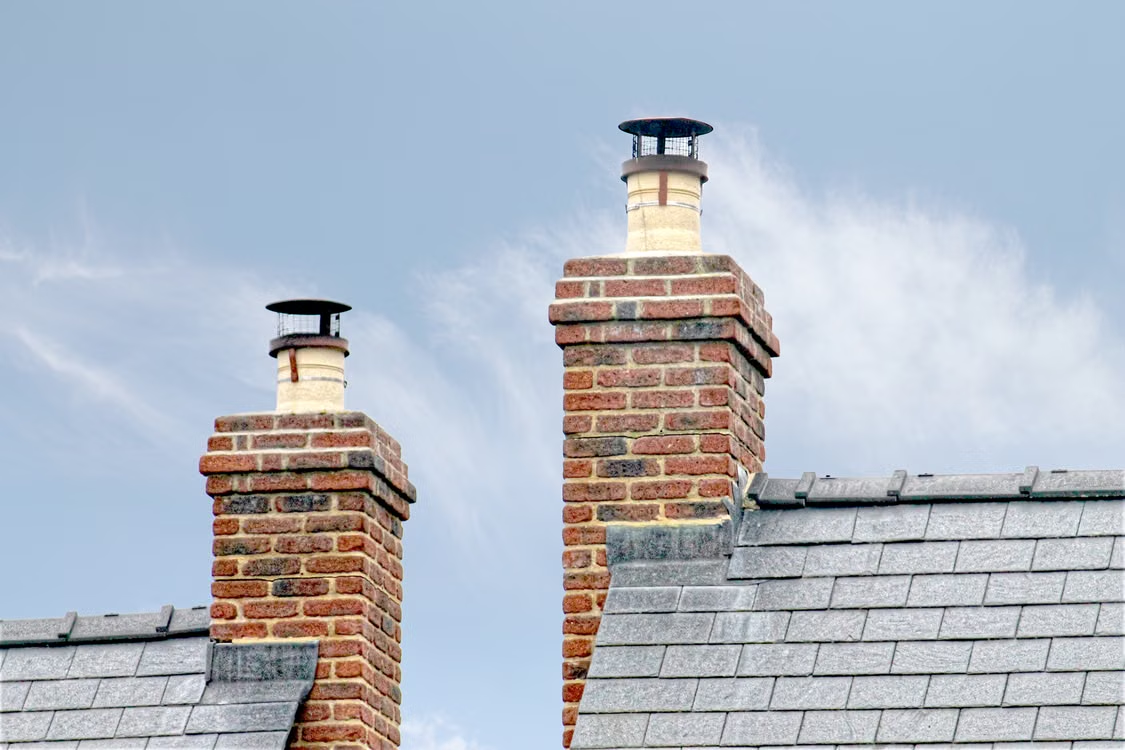
A good example is with an older home where it may have a masonry chimney with a cracked clay liner. Upon a thorough inspection of the chimney, a professional may recommend installing a new metal liner instead of rebuilding the entire structure. But a simple relining doesn’t automatically solve every chimney problem. If the bricks that hold its structure are deteriorating, if the chimney crown is damaged, or if water is entering through faulty flashing, such issues will require separate solutions.
The Importance of Flue Relining
For most homeowners, a chimney liner may not be the first thing they think about when it comes to fireplace and chimney maintenance. However, the condition of the chimney liner does impact several areas of the chimney, especially in terms of safety and performance. Getting a better understanding of the importance of flue relining can help every homeowner figure out when this kind of work may be required for their chimney.
It Helps Reduce Fire Risks
One of the main reasons to set aside time and money for relining flue is to identify and immediately address damage that could compromise chimney structure and safety. When a liner develops cracks, gaps, or other defects, heat may reach key areas that are not necessarily designed to withstand it. Depending on the chimney’s construction, this potential issue can increase the risk of nearby combustible materials overheating and igniting. That makes surrounding materials more likely to catch fire and raises the risk of a house fire.
Wood-burning fireplaces also produce creosote, a combustible deposit that can accumulate over time inside the flue. If the creosote buildup becomes too much, it can ignite and cause a chimney fire, and excess buildup is linked to about 15,000 house fires annually. Such fires can thermally stress and crack clay flue tiles, making the flue less safe for the next burn. A damaged liner can add to the potential fire hazards associated with an already deteriorating chimney system. Choosing the appropriate liner and having it installed properly will help provide a more suitable passage for heat and combustion gases. While it can’t completely eliminate every fire hazard, a functioning liner can help address risks caused by a damaged or unsuitable lining.
It Facilitates the Safe Removal of Smoke and Gases
A properly functioning chimney flue helps carry smoke and combustion gases out of the house. If the flue is damaged, obstructed, or poorly suited to the appliance, smoke and gases may not flow smoothly outside as expected; a correctly sized flue helps heating appliances vent safely and supports natural draft. In this case, you may notice smoke entering the room when you light a fire or find that smoky odors linger long after the fireplace has been used. A smooth stainless steel liner can improve efficiency by helping smoke and gases move more consistently up the chimney. These are clear signs that something is wrong, which can be caused by poor draft, blockages, and inadequate air supply.
One of the byproducts of combustion is carbon monoxide, which is another serious concern if you have a damaged flue lining or malfunctioning chimney system. This gas is invisible and odorless, produced by fuel-burning appliances and can cause serious illness or even death if it accumulates indoors. A suitable liner helps support proper venting, but relining alone cannot guarantee protection against carbon monoxide intoxication. Proper appliance operation, regular maintenance, and working carbon monoxide detectors/alarms are also necessary to minimize the risk of carbon monoxide poisoning.
It Serves to Protect the Chimney’s Interior
The inside of a chimney is quite vulnerable as it is repeatedly getting exposed to extreme temperatures. It is also vulnerable to water leaks, moisture, and corrosive byproducts. Over time, these conditions can damage both the liner and the surrounding masonry, impacting its functionality and integrity, as they can erode mortar and mortar joints over time. Moisture is a particularly common concern with chimneys, particularly its interior. Rain can enter through a damaged chimney cap or crown, while condensation can form inside the flue under certain operating conditions. Gaps in flue tiles can also let outside air into the flue, cool the smoke, and cause accelerated creosote buildup. Combined with corrosive combustion byproducts, moisture can contribute to extensive deterioration.
The appropriate chimney liner helps reduce direct exposure of the surrounding masonry to such conditions. This is particularly important in older homes and older chimneys where the original clay tile liner and flue tiles have started to break down. Addressing liner damage as soon as it is discovered can help prevent more costly repairs. If deterioration spreads to other parts of the chimney, the work needed to fix all of them could become more complicated and expensive.
Common Signs, Such as Creosote Buildup, That Your Chimney May Need Flue Relining
A damaged liner does not always produce obvious warning signs, because most of the lining is hidden inside the chimney. Out of sight, out of mind as they say. This means that some problems may only become apparent when clear signs or symptoms start to present themselves or during a professional inspection. Nevertheless, the following are several signs that you should look out for.
This is arguably one of the most obvious signs that something is wrong with your chimney. If smoke regularly spills into the room instead of rising through the chimney, your venting system may not be working properly. A damaged liner is one possible cause, although blockages, poor draft, and inadequate air supply can also produce similar symptoms.
Another clear sign is damage to flue liners, including visible defects in flue tiles, corroded metal, and gaps between liner sections. This can easily indicate that the lining in your chimney has begun to deteriorate and may need relining. These defects may be difficult to see from the fireplace opening. This is why scheduling professional inspections regularly is very important. A chimney camera can sometimes reveal hidden damage that would otherwise go unnoticed.
If you see pieces of clay tile, brick, or other material in the firebox, this is also an indicator that at least part of the chimney interior is starting to break down. The debris that you find could come from the liner or another equally important component. Then there are lingering smoky smells, unusual odors, or changes in fireplace performance, which can all signal a problem. Creosote buildup, moisture, blockages, and liner damage are among the most common culprits in such cases. These symptoms do not automatically mean that relining your flue is necessary, though, but they should not be ignored.
An older chimney should have an annual chimney inspection by a certified chimney professional, especially in older homes or before continued use after suspected flue damage, as it may already have a liner that has deteriorated or no longer suits its intended use. Similarly, installing a new wood stove, gas fireplace, or other heating appliance may require changes to the existing flue. Age alone does not mean that a liner must be replaced. Its actual condition, the appliance manufacturer’s requirements, and the results of an inspection should guide the decision.
What Are the Different Types of Chimney Liner Systems?
Not all chimneys use the same type of liner. Finding the right option or the right type of liner usually depends on the chimney’s construction, the appliance it serves, the fuel being burned, and the condition of the existing flue.
One of the most common types is a clay tile liner, often found in traditional masonry chimneys. Made from clay flue tiles, these traditional liners are meant to withstand high heat, can last more than 50 years with proper maintenance, and are designed to protect the surrounding brickwork when properly installed and regularly cleaned. Even so, damaged tiles or mortar joints can require replacement, and the liner can still deteriorate and crack due to repeated heating and cooling, moisture exposure, or other conditions.
If a clay liner has deteriorated or gets damaged, a professional can determine whether repairs are possible or whether a new lining system is necessary. This will depend on the extent of the damage and the chimney’s intended use.
The metal chimney liners are another popular type of liner and are commonly made from stainless steel or aluminum. They are a common option for many relining projects in modern homes. The latter is typically limited to certain medium-efficiency gas appliances, while a stainless steel liner is usually preferred for broader use because it is more durable, resists corrosion from combustion byproducts, and works with gas, wood, and oil appliances. It also tends to collect less soot and creosote than clay flue tiles. These liners can be used with the right fireplaces, wood stoves, a furnace, and other heating appliances. Metal liners are available in different sizes and configurations as well. Some are flexible, while others consist of rigid sections. The appropriate type or style used must be compatible with the appliance, the type of fuel, the chimney dimensions, and installation requirements.
Cast-in-place systems, on the other hand, create a new lining within an existing chimney using a specialized material. Cast-in-place liners use a type of material that is formed inside the flue and then allowed to set, creating a new interior surface. This method is more suited to certain masonry chimneys that need interior restoration, and some systems can also improve structural integrity and insulation while withstanding temperatures up to about 2100 degrees. However, its suitability relies mainly on the chimney’s condition and the specific system being used.
When it comes to choosing the right liner for a chimney, there is no single solution that works for every home. A system that is tailored for a traditional wood-burning fireplace may not be the right choice for a different type of heating appliance. A qualified chimney professional can help evaluate the existing structure, determine the appropriate liner size and material, and recommend a solution that meets relevant safety requirements. It is better to choose based on suitability and installation quality rather than price.
The Flue Relining Process
If you have never had chimney work done before, the process may seem complicated, which it is to a non-professional. Fortunately, flue relining generally involves a few straightforward stages, although the exact procedure depends on the liner system and the chimney’s condition.
The first step is usually to assess the existing chimney. A professional will examine the liner, look for visible damage, and evaluate its dimensions and overall condition. A camera inspection may be necessary in order to find cracks, gaps, or other defects hidden inside the chimney. This evaluation process helps determine whether relining is necessary and which steps should be taken next.
The next step after the evaluation process is cleaning and preparation. Before the new liner is installed, the chimney must first be cleaned and prepped to remove soot, creosote, and other debris. Any obstructions or damaged components that could interfere with the work must also be addressed before installation. Proper cleaning and preparation will help ensure the new liner is installed correctly and that existing problems are not overlooked.
Once the cleaning and preparation is completed, the installation can begin. The installation method used will depend on the type of liner chosen for the chimney. A metal liner, for example, may be lowered into the chimney and connected to the appliance using compatible components, and some systems include an insulating wrap or other insulation around the liner for added safety and performance. Proper sizing also matters for the connected appliance, whether it is a fireplace, stove, or furnace. On the other hand, a cast-in-place system follows a different process. The installer must follow the manufacturer’s instructions and applicable safety requirements when installing the liner.
After the installation process is complete, the final checks can begin. The professional will check the finished work and confirm that the liner is suitable for the connected appliance. Any required testing, documentation, or inspection should also be completed before the fireplace or appliance is returned to service. Here’s a tip, before the work begins, you should ask what is included in the job, whether additional chimney repairs may be necessary, and what kind of maintenance the new liner will require.
When Should You Consider Relining Your Flue?
There is no standard for when to replace a chimney liner. There are certain chimney liners that have remained in good condition for many years, while others require attention sooner due to damage, moisture, poor installation, or changes in how the chimney is used. You may need to consider relining your flue if an inspection reveals significant cracks, corrosion, missing sections, or other defects that cannot be adequately repaired. Relining may also be recommended when the existing flue is the wrong size for a newly installed heating appliance and a properly sized, smooth liner is the safest match to ensure optimal draft. It can also support property value by showing the chimney has safe, up-to-date flue conditions.
A professional may recommend relining during routine chimney maintenance or after investigating smoke and draft problems. But identifying a damaged liner doesn’t always need complete replacement. Some defects can easily be repaired, while others call for a new lining system or more extensive chimney work, and if the chimney is too small to accept a properly sized liner, rebuilding may be the only option. A more reasonable approach is to schedule an inspection before making a decision. A clear evaluation conducted by a certified professional can help you understand which repairs are necessary, so you can avoid spending money on work that your chimney doesn’t actually need.
Chimney Flue Maintenance After Relining
Installing a new liner is an important step toward maintaining a safe, functional chimney, but regular care is still needed to ensure longevity. You can begin this maintenance process by scheduling periodic chimney inspections. For many wood-burning systems, for instance, an annual inspection is a useful baseline, although the appropriate schedule depends on the appliance, the fuel, usage frequency, and applicable guidance.
The chimney needs to be kept clean as well. Soot and creosote can accumulate even inside a newly lined flue, particularly when wood-burning appliances are used frequently. A new liner does not prevent these deposits from forming, so they need to be cleaned regularly. It is also important to use the fireplace or heating appliance according to the manufacturer’s instructions. Make sure to use only the recommended fuel, avoid practices that encourage excessive buildup, and ensure the appliance has an appropriate air supply.
Finally, pay close attention to changes in performance. Smoke entering the room, persistent odors, visible damage, or unusual operating conditions should prompt further investigation. Remember that the liner is only one part of the chimney system. The chimney cap, crown, flashing, masonry, and connected appliance also need proper attention to prevent moisture damage and maintain safe operation.
Give Your Chimney the Attention It Deserves
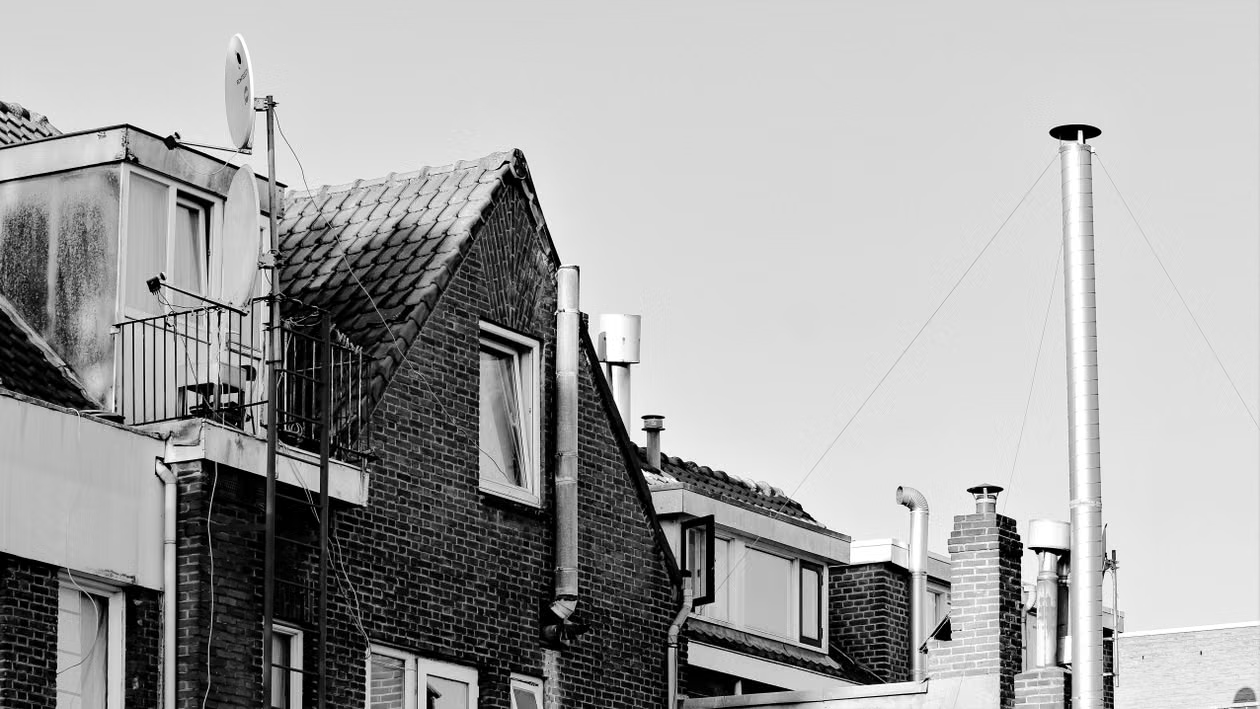
Your chimney does more than provide a path for smoke to escape. It is designed to help your fireplace or heating appliance operate safely while protecting the surrounding structure of your home. When the liner becomes damaged or unsuitable, addressing the problem immediately can help reduce safety risks, protect the masonry, and support reliable performance.
Understanding why relining flue is important allows homeowners to recognize potential issues and take the appropriate action before they become more serious. Whether it’s an older masonry chimney or a recently installed heating appliance, regular inspections and timely repairs are essential aspects of responsible chimney care.
If you have noticed signs of liner damage or want to make sure your chimney is in good condition, consider contacting a professional to arrange an inspection. Contact TOR Chimney to learn more about chimney inspections, flue relining, and the right maintenance solutions for your home. Taking care of your chimney today can help you enjoy your fireplace with greater confidence for years to come.