
Chimneys are one of those important components in the home that is easily neglected or forgotten about. You really only notice the fireplace as a part of your living room aesthetic, you only use it during the cold winter months, so you mistakenly assume that everything is in perfect working order since there are no potential problems that immediately catches your attention. But you forget that the chimney itself, its internal structure is constantly exposed to drastically changing temperatures, moisture, and various outdoor elements.
Before you know it, that exposure is gradually causing problems to your chimney that are not always obvious. Small hairline cracks can appear and grow, moisture can find its way into those cracks compromising the chimney’s structure, and that buildup can slowly develop, creating unnecessary safety concerns. Fortunately, there are a number of practical steps you can take as a responsible homeowner to ensure safety, expand the lifespan of your chimney, and avoid preventable issues.
Good chimney maintenance doesn’t have to be expensive or complicated. Learning a few consistent habits, combined with dedication and professional attention when necessary, can actually help with protecting your chimney and fireplace. The following are five useful tips designed to help extend your chimney lifespan, while keeping your fireplace in the best condition possible.
1. Adhere to Regular Schedule for Chimney Inspections
Following a regular schedule for chimney inspections is perhaps one of the most practical ways to protect the integrity of your chimney. Regardless of how your fireplace and chimney looks externally, there may be issues that are slowly developing internally. It is best to catch them early, so you can take the necessary action before they become serious or costly to manage.
A thorough chimney inspection, by a professional, can help uncover potential issues that are not really that obvious, such as small cracks, deteriorating mortar, damaged masonry, problems with the chimney cap, or signs of compromised structure due to moisture. Some of these issues may seem irrelevant during the early stages, but they can quickly become serious problems with a much higher repair cost over time, especially if you’re doing nothing to address them.
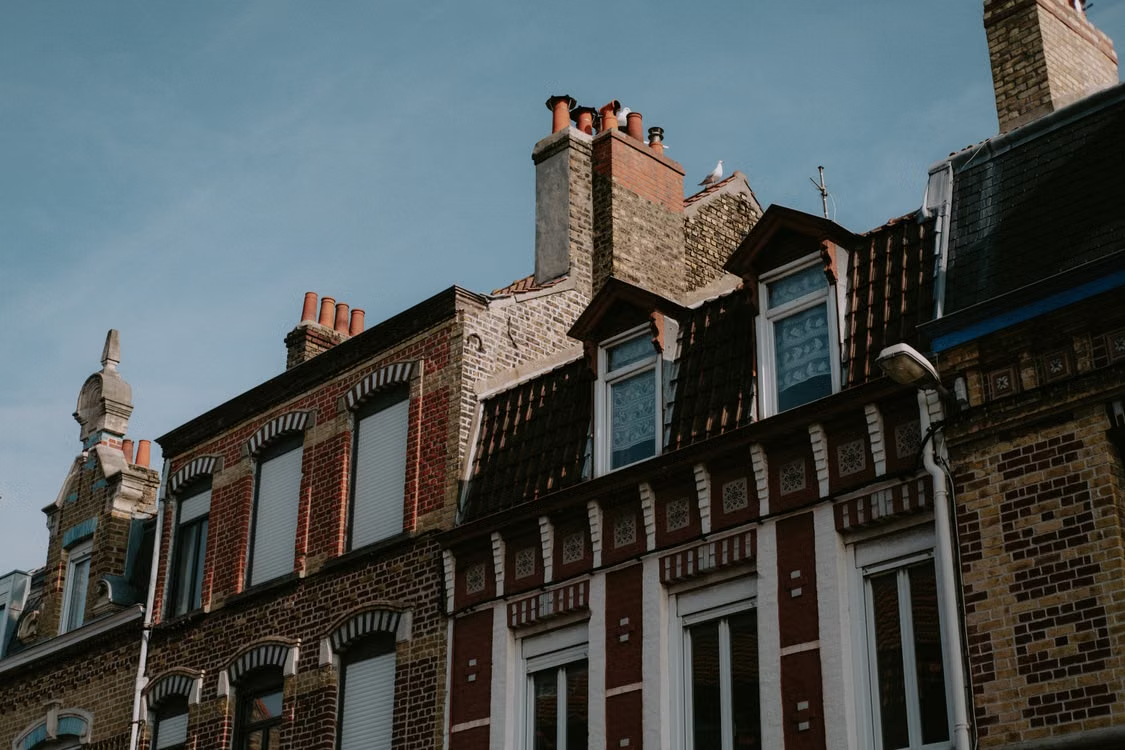
Consider a regularly scheduled inspection as a preventative investment towards the safety and maintenance of your fireplace and chimney. Take your car, for example, you do not necessarily wait until it breaks down before scheduling it to be serviced. The same basic principle applies to your chimney. Regular inspections, conducted by reputable professionals, can help identify developing issues before they begin interfering with the performance of your fireplace and chimney.
What a Good Chimney Inspection Process Looks Like
Reputable professionals in the field of chimney repair and maintenance, when conducting inspections, will typically look at the overall condition and structural integrity of the chimney, which covers both visible exterior components as well as specific areas that may not be obvious or easy for the homeowner to examine.
Professional inspections may identify potential issues like cracked or damaged masonry, deteriorating mortar joints, problems with the chimney cap, damaged flashing around the roof, signs of moisture intrusion (especially in the load-bearing elements of the chimney), excessive soot or creosote buildup, and possible issues that could affect proper ventilation.
A routine fireplace check, in addition to the chimney inspection, can also be useful and a thorough approach to the maintenance process. The fireplace is an important component of the chimney’s overall structure, i.e. they work together to properly and safely warm your home. This means that if you want the complete picture, both components must be looked at during the inspection process.
The key takeaway here is not to wait until a major warning sign shows up before you do anything. Regular inspections are meant to help uncover potential issues that may be present and address them immediately, while they are still manageable and less costly.
2. Maintain a Clean Chimney
Regular chimney cleaning is another crucial aspect in extending the performance and lifespan of your chimney. Every time you use your wood-burning fireplace, smoke, soot, and other combustion byproducts travel through the chimney. Eventually, residue will stick and continue to develop on the interior surfaces. This residue will thicken and harden over time, making it harder to remove.
Some residue buildup is normal, but doing nothing about it over time can lead to excessive accumulation, and that can have a significant impact on the performance and structural safety of the chimney. This is why cleaning should be a constant part of the homeowner’s regular chimney care process. The frequency of the cleaning process will mainly depend on a number of factors, which includes how often the fireplace is used and what is burned in it. A homeowner, for instance, who uses their fireplace regularly may have to schedule more frequent cleaning compared to others who only light a fire occasionally.
The Importance of Professional Chimney Cleaning
Just because a chimney looks clean externally, doesn’t necessarily mean it is also clean and safe internally. Poor maintenance, or the lack thereof, can result in lots of potential issues to the safety and performance of the chimney. Moreover, it can be tempting to assume that cleaning chimneys is easy, so some homeowners either do it themselves or hire unqualified individuals to do the cleaning. Unfortunately, this approach rarely ends well for the homeowner or the chimney. Much of the soot and other residue buildup occurs inside the chimney, not outside. They are not always obvious or visible without the proper equipment.
A good professional cleaning service is more equipped and capable of cleaning all types of chimneys. They not only have the ability to remove accumulated dirt and residue inside the chimney stack, but they are also knowledgeable enough to easily notice other potential issues or concerns during the cleaning process. This means that good professional cleaning can cover two areas of chimney care, maintenance and prevention.
Burning the appropriate fuel is also important in chimney and fireplace care. For a wood-burning fireplace, for example, firewood that is dry and properly seasoned is most suitable compared to wet wood. Burning unsuitable materials is not only hazardous, they can produce thicker smoke and residue as well, which can make chimney cleaning and maintenance a lot harder and more costly. Keep in mind that consistent professional cleaning is not only about appearance. It is a vital aspect of chimney safety and long-term performance.
3. Water and Moisture Protection
If there is one thing that homeowners should be wary of when it comes to chimney care, it’s water. This applies to any structure, not just the chimney. Your entire house itself could be at risk without proper water and moisture protection.
Chimneys, in particular, are constantly exposed to the elements throughout the year, especially rain, snow, and other outdoor moisture. Water penetration is a major cause of chimney deterioration, especially when it seeps into damaged areas of the brick and even the tiniest cracks, causing gradual damage that isn’t always obvious. During the colder winter months, freeze-thaw cycles damage masonry chimneys by causing cracking. This is because water can easily enter tiny openings that will then freeze and expand, thus progressing the damage.
Even in regions where freezing temperatures are not as common, constant exposure to moisture will still play a significant role in damaging the masonry and other important components of the chimney, which is why chimneys require maintenance to prevent water damage and deterioration.
Always Mind Your Chimney Cap
A well-maintained chimney cap will help keep the rain, debris, and even small animals from entering the chimney. If the cap is loose, has damage, or missing, it will leave your chimney exposed to certain elements. Apart from the cap, the chimney crown is another component that is worth paying attention to. One of its main jobs is to help direct water away from the structure. If the crown starts to develop cracks or begins to deteriorate, water can easily find its way into the masonry causing further damage and safety concerns.
Keep an Eye Out for Signs of Chimney Leaks
Homeowners should also be vigilant for the warning signs typically associated with chimney leaks. This includes water stains that present around the fireplace or chimney area, damage or cracks in the masonry, dampness, crumbling mortar, and even unexplained odors. All these can justify a more thorough inspection by a professional. What’s important is for homeowners not to take these visible signs of water damage for granted. If moisture is potentially finding its way into the chimney, the underlying cause needs to be identified and addressed immediately.
Keeping water and moisture away from the chimney’s components and main structure in the first place is easier and less expensive than having to deal with the aftermath. This makes moisture protection a crucial aspect in the effort to expand the lifespan of any fireplace and chimney.
4. Mind the Masonry, Flashing, and External Components
The exterior of a chimney is designed to withstand rain, wind, and sunlight, not to mention the fluctuating temperatures and other outdoor conditions year round. Its exposure to extreme temperatures and outdoor elements make exterior maintenance just as important as any chimney care process. Small hairline cracks in the bricks and mortar may seem minor or irrelevant, particularly if the chimney’s overall structure still looks stable. However these seemingly minor concerns can quickly become serious once water leaks and moisture come into play. When water begins to seep through the cracks, deterioration will gradually spread.
Don’t Ignore Cracked Mortar or Bricks
Masonry is the core element of any chimney structure, and brick and mortar chimneys usually need mortar repair over time. When it comes to this specific area, the earlier potential issues are identified, the easier and cheaper they are to manage. Things like loose bricks, cracked or crumbling mortar, damage around the flue, and other visible issues are worth taking a closer look at and having evaluated by a professional. A small, inexpensive repair may be all that is necessary, instead of waiting until that relatively small issue becomes a serious problem that will only cost you more money.
This is arguably one of the biggest benefits of observing a strict preventative chimney maintenance schedule. It provides homeowners with the ability to quickly and cost-effectively address smaller issues before they become a larger structural concern.
Having the flashing around the roof regularly checked is also important. This is the area where the chimney passes through the roof, a specific point that deserves close attention if you don’t want water or moisture leakage. Flashing is designed to seal the connection between the roof and the chimney, and it must remain watertight to prevent leaks and moisture intrusion. Once the flashing is compromised or if the seal around it gets damaged, water can easily seep through and deteriorate the roof structure. One of the most common initial signs of this is a stain forming on the ceiling or the wall close to the chimney.
If you start to notice water damage around your chimney area, it is best to have it investigated by a professional so the source can be identified and addressed immediately. Taking care of the chimney’s exterior is not only about the aesthetics or keeping it attractive. It is also a vital part of long-term chimney care.
5. Be Responsible When Using Your Fireplace
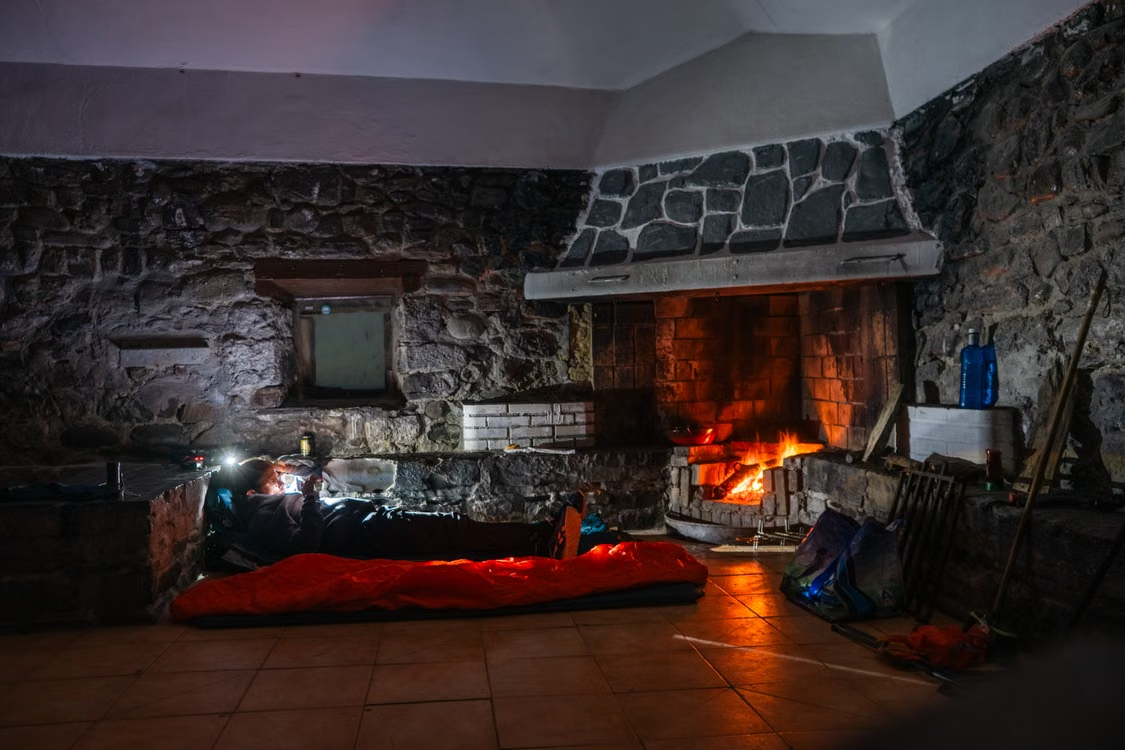
How a fireplace is being used by the homeowner can have a direct impact on the overall condition of the attached chimney. A fireplace is designed to withstand fire and resulting extreme heat, but that does not necessarily mean that every type of fuel that is used to maintain the fire is equally suitable. Responsible use of the fireplace is necessary and is a crucial part of both fireplace maintenance as well as chimney safety.
If you have a wood-burning fireplace, for instance, being responsible means using suitable, properly seasoned firewood. Never use treated wood, plastics, household trash, or other materials that are not meant to be burned elsewhere, let alone your fireplace. These materials are not only hazardous to your respiratory health when burned, they can also create additional smoke, residue, and other unforeseen issues.
Moreover, it is also advisable to avoid building unnecessarily large fires in your fireplace. It’s not only a waste of energy, but maintaining an excessively large fire is quite dangerous as well. Just keep a reasonably sized, comfortable, and controlled fire to warm your living space. Another thing homeowners must pay close attention to is the behavior of the fireplace. Pay attention to how it is behaving over time. A good example of this would be if some of the smoke starts to enter the room instead of going straight through the chimney.
Another good reason to stop and investigate is when you start to notice unusual odors, strange sounds in the fireplace and/or chimney, poor drafting, etc. All of this requires a closer inspection, preferably by a professional who knows what they’re doing and what to look for.
This is where the importance of a regular fireplace check can be beneficial. It is ideal to have a professional conduct regular checkups, so if issues are discovered they can be evaluated and managed quickly rather than wait for them to become serious. Good fireplace habits can help minimize unnecessary stresses on the entire system. It will also help contribute to a longer chimney lifespan.
Even the Tiniest Details Can Make a Huge Difference
Yes, even the smallest details can make a big difference in extending the life of your fireplace and chimney. It doesn’t always have to involve you tackling a major maintenance project. In most situations, it just comes down to handling a few small things with consistency. For instance, paying attention to the trees and branches around your chimney and making sure that they don’t overgrow and become a hindrance. Regular inspections on the exterior for visible changes is also a good habit to practice. Making sure the chimney cap is unhindered and in good condition is another thing.
These habits, on their own, require very little effort, relatively speaking. But they can make a big difference in the overall chimney maintenance process. It’s worth remembering that the chimney is only a single component of a much larger home system. The roof of your home, the flashing, the fireplace, the chimney, and the surrounding masonry all work together to ensure safe and consistent heating for your dwelling. A single problem in one area can sometimes cause a cascading effect that becomes harder to manage.
That is why a complete approach to chimney care is ultimately beneficial for the homeowner instead of focusing on just one component.
Building a Simple But Effective Chimney Maintenance Routine
Developing a good maintenance routine doesn’t have to be unnecessarily complex. As a homeowner, your main objective is to create a simple routine with regards to chimney care that is easy to remember. A basic maintenance routine can include things like scheduling professional inspections, having the chimney cleaned when needed, checking the chimney cap and exterior components for visible damage, looking for signs of water intrusion, and addressing damaged masonry or flashing promptly.
Minding how the fireplace is used and making sure it’s according to appropriate safety guidelines can also be a part of your chimney maintenance routine, including paying attention to changes in fireplace performance. The exact maintenance requirements of every chimney will vary, obviously. There are certain things that need to be factored in, such as how often the fireplace is used, the type of fireplace it is, the local weather, the age of the chimney, and its overall condition.
What is ultimately crucial is consistency. Preventative maintenance, like with every equipment or system, is generally easier to manage. It’s preferable, instead of attempting to tackle every problem caused by years of neglect all at once.
Ultimately, if you want to expand the lifespan of your fireplace and chimney, you should start with the basics. Make sure that your chimney is kept clean, pay attention to its condition, keep water and moisture out, and have potential issues addressed early by a qualified professional. If your chimney is due for an inspection, cleaning, or professional maintenance, TOR Chimney can help facilitate the appropriate steps so you can enjoy your fireplace and chimney for years to come.
 How Often Do You Clean Your Chimney Dryer Vents?