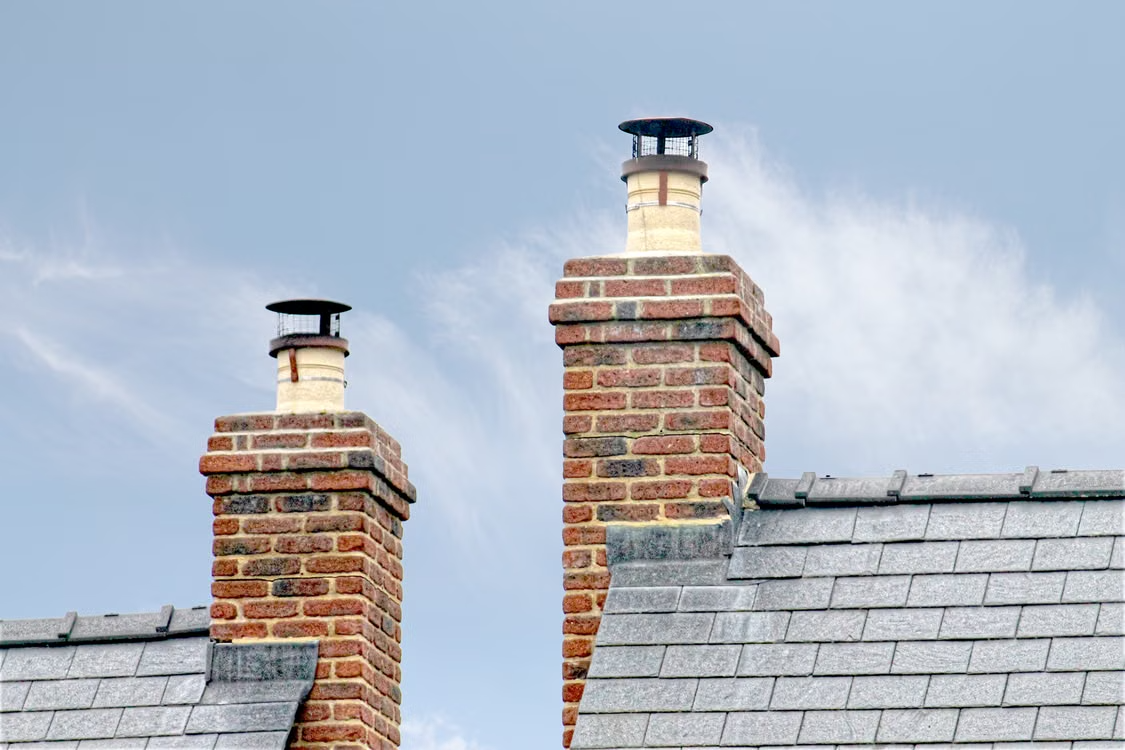
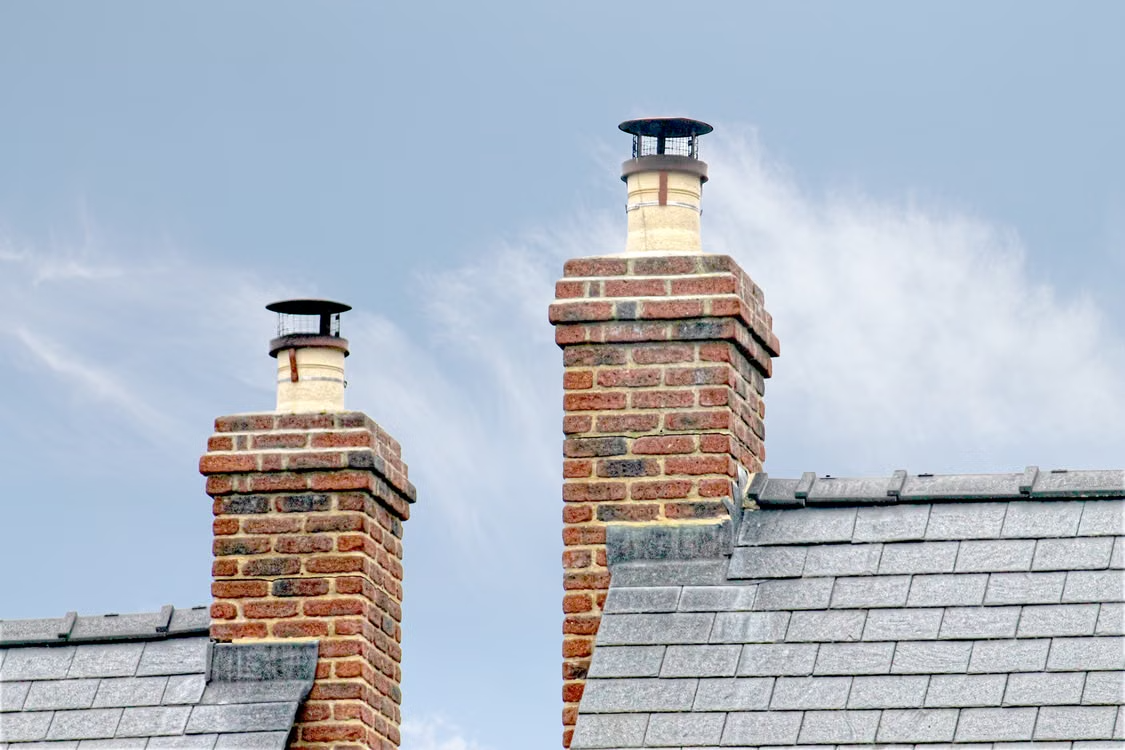
Homeowners with a fireplace, furnace, wood stove, and any other heating appliance that is connected to a chimney seldom think about all the activity that happens inside the chimney. You see that the fireplace is working, so you assume that everything else is doing good. You see the chimney stack and chimney cap and immediately assume that things are okay. But often, you neglect to find the chimney liner, an integral part of your system.
A chimney liner creates a safe path inside the chimney so that heat, smoke, and combustion can travel freely outdoors. Additionally, the liner serves as protection for the chimney from combustion byproducts, moisture and heat.
Chimney liners are that part of your chimney that you do not easily notice until a problem crops up. By the time you discover the liner, the problem may have become a bigger issue already. The most common issues are poor venting, deterioration, and cracks. You wouldn’t want these problems to become major headaches, would you?
This is why it is important for every homeowner with a fireplace and chimney to understand what chimney liners are for, how to spot possible issues, and what these liners are made from. Knowing these details will help you come up with wiser decisions about fireplace and chimney care.
Understanding What a Chimney Liner Is
A chimney’s flue is that path that combustion gases and smoke go through so they can leave your home. The chimney liner, found inside the flue, is a lining that protects your system. It acts like a barrier between the structure and combustion or heating byproducts.
When you heat an appliance or your fireplace, it’s not only visible smoke that’s produced; the action can also create combustion byproducts like soot, moisture, and hot gases. If the chimney is unable to contain and push these byproducts outside, away from your home, they can get inside your living space. If your flue liner is properly installed, it can provide the path that’s needed to direct the byproducts out of your home.
A chimney liner also provides protection for the other materials, like the masonry, of the chimney. Without this protection, the materials will be exposed to combustion byproducts and heat. Repeated exposure can lead to deterioration.
However, liner types can vary from one chimney to another. For chimneys with older masonry, the common one is the tile liner. Other chimney systems have stainless steel liners, or even a different lining system. The ideal liner type depends your chimney, how it was installed, and the appliance that’s being vetted.
As such, doing a chimney liner installation does not only mean choosing the material you prefer and then placing it on the chimney. The installation process, compatibility, and proper sizing matter greatly.
Understanding Why Chimney Liners Are Important
A chimney liner is expected to perform several functions:
1. It is a chimney protector
Providing a pathway that serves as a barrier between the chimney structure dangerous combustion gases is one of the primary functions of a chimney liner. It adds a layer of protection between your chimney and the flue gases. This way, if the chimney is constantly exposed to heat from a wood-burning stove or fireplace, the lining will protect your system and direct the byproducts out of your chimney.
As such, your chimney is also protected from deterioration or wear.
However, if the chimney liner is compromised, such as when it is badly cracked or deteriorated, it won’t be able to protect your system and your home.
2. It protects your chimney against combustion gases
As mentioned earlier, a good and perfectly functioning liner will help protect your chimney from combustion gases as it acts as a barrier between the two. The liner will allow the chimney to direct the byproducts up toward the exit, so the gases will leave your home.
If your liner is damaged, smoke, carbon monoxide, and other combustion byproducts can escape into your home, making proper containment difficult or even impossible.
Carbon monoxide is one example of combustion gas that can get into your home if the chimney flue is damaged. It’s odorless and colorless, so you might not notice that it has already engulfed your living area until you start to feel sick. Other dangerous byproducts that can enter your home include soot and toxic gases, among others. So it is important to ensure that your chimney’s liner is functioning well.
Keep in mind that chimney safety is concerned not only with preventing fires, but with proper venting as well.
3. It lessens the possibility of heat reaching combustible materials
The chimney system has several components, including parts of the structure and areas that come with combustible materials. If your liner is strong and well-functioning, it will deter the byproducts from going through the chimney. The liner will keep the gases within the flue pathway.
So, if your chimney liner is deteriorated or damaged, the combustion products and heat might reach the areas of your system that they shouldn’t.
However, a good chimney liner does not mean that your chimney is already damage or fireproof. But it does mean that your system is well-maintained and of good quality.
4. It encourages proper venting
If you have a heating appliance, you know that it is designed to work with your chimney. That’s why it’s important that your chimney flue is of the right size, otherwise, it can lead not only to poor draft but also to inefficient operation. This is one of the things you will learn in professional chimney education. It is also an important aspect on inspection practices.
Determining the liner size won’t be easy because you’re going to need professional help. It entails a lot more than just choosing the biggest or the one that perfectly fits your existing chimney.
5. It protects the chimney from the byproducts of combustion
We’ve already mentioned heat and toxic gases, but there are other products that form because of combustion. Some of these are acidic compounds, moisture, creosote, and soot. These byproducts gradually appear over time as your chimney is repeatedly exposed to dangerous materials and elements.
The byproduct created depends on the appliance used, so if you have high-efficiency gas appliances, these will produce water vapor, which can then result in condensation forming in the chimney’s interiors. When this happens, corrosion is possible.
These byproducts will be easy to deal with if your flue liner is regularly maintained and in good working condition.
Different Types of Chimney Liners
Chimney liners come in different types, and there is not one type that fits all home or chimney needs. These liners use a variety of materials for various appliance applications and chimneys. Knowing each type will give you an idea of which one may be suitable for your system.
The Clay Tile Liners
Clay tile liners are found mostly in masonry chimneys and are considered as traditional material. When these liners are installed properly and well-maintained, they are guaranteed to give you a durable, solid flue. This is why they are often preferred for constructing traditional masonry.
However, clay chimney liners are made of material that can deteriorate or crack, especially when damaged or overuse. Its individual sections are easily affected by chimney fire, which can lead to significant damage.
Since your chimney can still function and look normal even when the clay liner is cracked, it’s important to know the basics of how you can determine if there is an issue with your clay chimney liner. Better yet, get in touch with a licensed professional chimney specialist, like the ones at TOR Chimney, as they can help you identify, manage, and correct chimney problems.
The Stainless Steel Chimney Liner
If your current chimney has to be relined, the ideal liner to use would be a stainless steel chimney liner. Stainless steel liners are recommended for their durability and safety. These liners come in various configurations and are considered one of the most common chimney relining materials, including a flexible chimney liner or flex liner that can be installed inside a masonry chimney. 316Ti stainless steel liners can withstand temperatures up to 2100 degrees. If you choose the right size and variety, and if it is properly installed, the stainless steel liner can be good for a wide variety of applications.
These liners are versatile, and at times, they’re the practical solution to relining or restoring the chimney flue without having to do a complete chimney structure rebuilding. But not all stainless steel liners are ideal for all appliances. The installation and material has to be a match with how they’re to be used.
The Cast-in-Place Liners
If your goal is to restore masonry chimney, the cast-in-place liner is the best option for you. Using a specialized material, this type of liner is created in an existing chimney. However, the process does not involve the installation of a metal liner; instead, the material creates a new pathway for gases and smoke when it is placed inside your chimney.
Cast-in-place liners are ideal for some damaged or older masonry chimneys – particularly those that are for restoration projects as it does not only produce a new flue inside your current chimney; it also provides additional support and strength, making your structure stronger.
This is not something that any homeowner can do; it’s not a DIY project you can easily do. You’ll need to get in touch with a licensed and experienced chimney professional.
The Aluminum Liners
This type of liner has limited applications. Aluminum liners are ideal for specific gas-fired appliances but are not advisable for wood-burning fireplaces and other applications. As such, it’s important to keep this in mind: materials for chimney liners are not interchangeable. You have to use the right liner before anything else.
Signs That Your Chimney Liner Needs Attention
Unlike most of the structures in your home, issues aren’t that easy to spot in a chimney. The liner is located inside the chimney, so doing a visual inspection is not as easy as you first thought it would be. You can always do a visual check of the chimney’s exterior and the fireplace, but this does not really give you an idea of what’s happening inside the system.
But there are still some signs you can take note of, especially if you haven’t had your fireplace and chimney checked in quite a while.
Pay Attention to Cracks or Debris
You may find some debris or pieces of masonry or clay tile inside the fireplace – don’t take these for granted. These may be a result of an issue, like a damaged chimney liner; gaps in flue tiles or mortar joints can also point to liner problems. Have your system inspected right away to prevent the problem from becoming a major disaster.
Smoke Problems Deserve Your Attention
If you’ve had smoke enter your living space several times, this may be an indication that your system has a problem. It can be ventilation, or draft, or an appliance, or maybe the chimney itself. Smoke is supposed to go up the chimney and out of your home, not get inside it.
Check with your chimney specialist who can help pinpoint and correct the problem for you.
Unusual Odors Aren’t Normal
If your fireplace or chimney is giving off unusual odors, there are several reasons for this. To determine the cause, get your ventilation and chimney checked and evaluated.
Watch Out for Water Damage
Water is one of the major enemies of chimneys, especially water that leaks into the structure. A leaking chimney can allow moisture to penetrate deeper into the system. If this happens, problems such as deterioration of the flashing, masonry, and the liners will gradually develop. If not dealt with right away, water damage can accelerate chimney liner deterioration and significantly reduce the liner’s lifespan.
Keep This In Mind: Some Problems Are Invisible
Remember that your chimney may look good from the outside, but it can still have issues or problems inside.
This is why working with a licensed and professional chimney inspection is important – even more important than looking at your chimney from a safe distance. If the situation calls for it, the inspection may even include an internal check of the flue.
The Reasons Why Chimney Liners Become Damaged
There are several factors that can lead to damage in chimney liners, especially if they are exposed to these elements over time:
Normal Wear and Age
Just like all the other things in your home, chimney components, such as the liners, go through normal wear. Regular exposure to moisture, combustion gases, changing temperatures, and heat will impact your liner negatively – not at once, but over time.
And the situation can get more challenging if your chimney is older than the usual. So it’s important to know what to do or how to deal with situations like this. Your chimney specialist can help you with this matter.
Persistent Moisture
When water gets into your chimney, several areas or parts can be affected. The most common, and biggest, effect caused by water leaks is moisture. Once moisture is inside, it won’t take long for cracks to show up, for freeze-thaw damage to develop, and for deterioration to set in.
Persistent moisture can also damage areas that do not have freezing temperatures.
Chimney Fires
Chimney fires produce extreme temperatures, and creosote buildup is a major factor behind them that can also damage your chimney and liner. The fire will not only affect metal chimney components but other parts of the chimney as well, including the masonry and clay flue tiles.
A chimney fire may be difficult to track because it’s not that obvious (unlike gas stoves), so a regular evaluation of the entire system is vital.
Wrong Installation or Sizing
Like what was mentioned earlier, proper measurements are needed so the liner fits the masonry flue correctly, and a liner has to be the right size, variety, or installation. You cannot just install any liner; you have to be sure that its diameter is appropriate for the appliance that it is used for.
If your chimney liner is not the right size and wasn’t properly installed, your system’s venting process and overall performance will be impacted. During sizing, both liner length and outside diameter also need to be considered. Have your system checked to determine if the components were properly installed for their intended use.
When to Replace Your Chimney Liner
You cannot pinpoint exactly when a chimney liner replacement is needed. You’ll need to consider the installation, material, appliance it serves, and its condition. Sometimes, you also have to examine and determine the extent of the damage.
Working with a professional chimney inspector is the best way to determine what the ideal solution is:
- To repair a part of the existing liner
- To replace the damaged components
- To install a new liner system
- To reline the chimney
- To address a different problem found somewhere else in the chimney system
For instance, your chimney has only a few issues that are easily repairable and do not need to be completely replaced. But if your chimney is extensively deteriorated, then chimney relining would be the best solution.
In another situation, when a chimney is affected by a fire, there is a need to subject the entire system to a complete internal evaluation. This will give you the opportunity to check for damaged metal chimney components, failed mortar joints, and cracked flue tiles.
Is It Possible to Install a Chimney Liner Kit On Your Own?
If you’re thinking of being practical and would like to stay within your budget, you may already be thinking of installing the chimney liner yourself. It’s a tempting idea, but let it stay that way – an idea. Chimney liner installation is not like all the other DIYs that you’ve done over the years; it’s a bit more complicated than placing a tube into a chimney, because even a chimney liner kit requires proper measurements so the liner fits the masonry flue correctly and careful assembly of each kit component. A typical chimney liner kit includes a stainless steel liner, connector, top plate, and rain cap. Installation also requires tools such as a razor knife, drill, and safety glasses.
Professional chimney specialists are the best ones to pass the task on to. It’s the safest and most practical option. Doing it yourself may only cost you too much in the long run.
Besides, working with a professional will also give you the chance to check for other issues that might need to be corrected before installing the chimney liner. Professionals also make sure the top plate is installed correctly to secure the liner and prevent water entry.
What’s the Lifespan of Chimney Liner?
A lot of homeowners have asked this question several times, but there is never a specific or single-number answer. The chimney liner lifespan is dependent on several factors, including regular maintenance, how frequently it is used, installation quality, the material used, fuel type, and moisture exposure.
If your liner is well-maintained, it can last long and perform well for many years. On the other hand, if a chimney is regularly subjected to harsh conditions, it will get damaged and deteriorate sooner.
The right thing to do is focus on the condition of your chimney instead of the age. Regular inspections should also be a priority so that whatever signs of damage or deterioration.
The Chimney Safety Institute of America (CSIA) recommends that vents, fireplaces, and chimneys be checked regularly – at least once every year — for deposits, maintenance and cleaning, repairs, and soundness.
Keeping Your Chimney Liner In Good Condition: Liner Maintenance:
Proper chimney liner maintenance is all about caring for the entire chimney system, not just one part of it.
Schedule Regular Inspections
Be sure to schedule annual chimney inspection once a year. Set an appointment with your chimney specialist. Do this most especially if you have a wood stove or a fireplace and you use it regularly. This also applies to homeowners in older homes or those who have had to change any of their heating appliances.
Regularly Clean Your Chimney
Leaving your chimney unattended after you use your wood-burning fireplace or wood-burning stove is not a good practice. Doing this will expose your system to creosote. When this happens, creosote will buildup and affect the overall performance of your chimney.
The type and volume of buildup is based on some factors, such as the type of wood being burned and the appliance used.
Keep in mind though that you don’t need to wait for a visible problem before cleaning a chimney. Clean your chimney regularly, even if you don’t see anything wrong with it.
Take Care of Moisture Problems
Water stains can be big headaches if they are not addressed right away. The same goes for missing chimney caps, damaged flashing, and moisture.
The first thing you should do to prevent all these from happening is to stop water from getting inside your chimney.
Ensure that the chimney cap is in good condition as this can protect the system from the rain, leaves, animals and animal nests, and other debris.
Changes in Performance Shouldn’t Be Ignored
How will you know that your chimney has changes in its performance? Well, one of the signs is the unusually high production of smoke. Other signs include draft problems, unexpected debris, and unusual odors. Once you notice any of these signs, call your professional chimney specialist.
Even if the issues look simple, minimal, or trivial, ignoring them will bring greater problems in the long run. Also, these signs are telling you that there may be something wrong with your chimney, or fireplace, or your appliance.
The Bottom Line: Pay Attention to What’s Inside Your Chimney
Your chimney is a complete, meticulously designed system that has several functions other than directing smoke outside your property. It also vents combustion byproducts safely out of your home, manages heat and combustion gases.
This is where the chimney liner comes in. It completes the process.
Regardless of what type of liner you have – clay, stainless steel, cast-in-place, or aluminum – having a good quality, good condition, and functioning liner is important. Any issue, no matter how small, can affect its performance, and the safety of your fireplace and chimney system.
You cannot fix things on your own – chimney liners are too important to DIY on. But you can always work with a professional chimney specialist. They can do the inspection, help you determine what’s wrong, and find a solution for the problem.
If you don’t know where to find professional chimney specialists, contact TOR Chimney and schedule a chimney inspection appointment with them. They’ll also help you find the best chimney liner options and determine if your chimney needs repair or relining.
 5 Tips for Expanding Chimney Lifespan