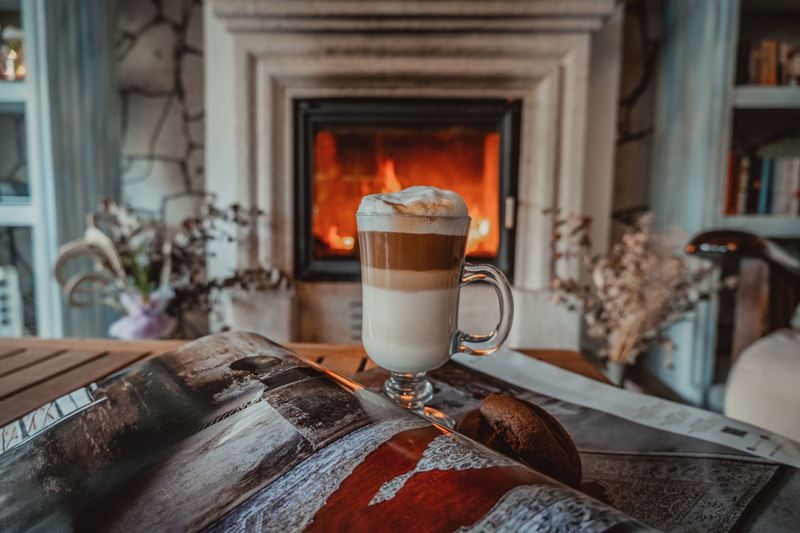
Sitting in front of the fireplace on cold nights or when the temperature is about to drop is one of the best feelings in the world. It’s calming and comforting. And it’s times like these that make you extra grateful to have a fireplace in your home. You’ll love this thought even more when winter sets in.
Before you start tossing logs onto your fireplace, though, it’s important to check if your chimney is ready for the wintry weather. This is especially vital if you haven’t used your chimney for months, as it may already be covered in moisture, debris, or a bird’s nest. These are issues you didn’t notice in previous months because of the warmer weather, but they may develop into serious problems once the winter season starts.
If you want to enjoy and stay safe and comfortable all throughout the cold season, find time to prepare your chimney for winter. This should be one of your priorities once you start to notice the days are getting colder. Doing so will ensure that your chimney is winter-ready and, in some cases, help you identify possible issues before they become full-blown problems.
Ensuring that your chimney is ready for the winter season does not require a complicated process. All that you need to do is follow these seven simple and practical tips:
1. Call a Professional for a Thorough Chimney Inspection
The first step to help prepare your chimney preparation for winter is to get help from a professional for a complete chimney inspection. This is something that you should not do on your own. Only a licensed professional can do the job properly.
Your chimney may look normal, and it may be working as always, but problems may already be brewing inside without your knowledge. This happens more than you think, especially if the chimney has not been in use for months, if it was frequently used last winter, or if you haven’t had your chimney checked for years. Calling a professional is the best thing to do because they’re licensed and trained to identify issues such as moisture buildup, blockages, deterioration, and other problems that can affect the performance of your system.
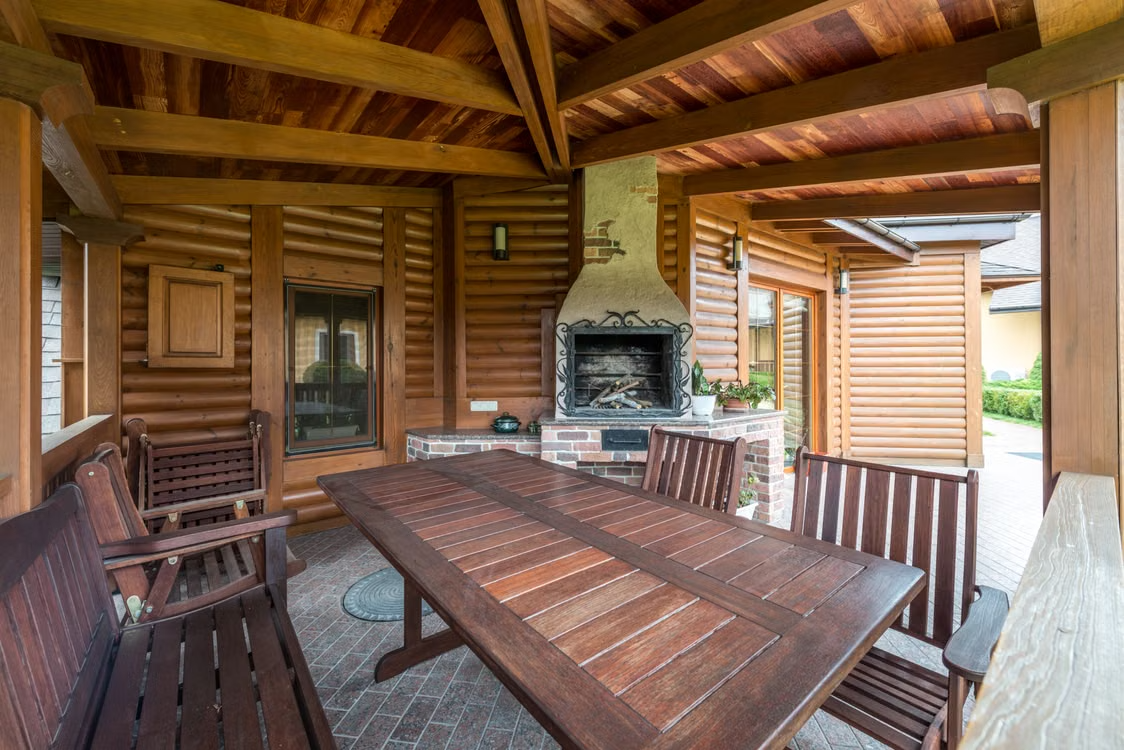
A professional chimney specialist typically examines the exterior and interior components of your system, but the level of probing depends on the kind of inspection your system needs. This will help them pinpoint problems, such as ventilation obstructions, damaged masonry, excessive deposits, and leaks and cracks.
Why an inspection is needed before winter
It is always good to be a step ahead of the “competition”, so an inspection scheduled before the winter season sets in is the best timing that you need. Additionally, chimney professionals are going to be busy once the weather gets cold, so it’s always good to be prepared well before other homeowners start getting their fireplaces ready for winter use.
Preparing your fireplace and having your chimney inspected early will give you the confidence you need to march into the winter season without any worries — and ready to enjoy cold evenings by the fireplace.
On the other hand, if you’re not sure what kind of service your chimney needs, a licensed and trained professional can definitely help you determine what type of maintenance your system needs.
2. Clean Your Chimney Before Lighting Your First Fire
Professional chimney cleaning services are designed to help homeowners like you prepare their fireplace and chimney for the colder months.
Your chimney is exposed to smoke and combustion byproducts every time you burn wood. This will result in a gradual buildup of creosote and other wood combustion byproducts. Creosote attaches itself to the inside of the flue. The buildup may be gradual, but the effect will leave quite an impact on your system. Creosote buildup is often deceiving because you won’t know just how deep it has stuck into the flue just by looking at your fireplace.
The buildup volume is also determined by how efficiently the fire burns, how often you use the fireplace, and what type of wood you burn.
This is why you need to work with a licensed specialist who can do a professional and thorough chimney sweep. Efficient cleaning will help remove debris and accumulated deposits, effectively preparing your chimney for the winter season.
Should every chimney be cleaned every year?
No, not really. Every system is different because of distinguishing factors such as how much a fireplace is used throughout the winter season. A frequently used fireplace has different needs from one that is very seldom used. Its conditions are not the same as a system that has not been used for months. The level of attention it needs is different from a fireplace that is lit only occasionally.
However, when scheduling a chimney cleaning, it’s always best to determine when the cleaning is needed according to the frequency of use and the current condition of the system. Don’t just rely on your calendar or planner; pay attention to what’s actually happening inside your fireplace and chimney.
You may not notice them right away, but if you know what to look for, it’s easy to pinpoint them. These are the signs that you need to focus on:
-visible deposits
-poor airflow
-smoke that enters the room instead of going up the chimney
-unusual, irritating, smoky odor
Even the slightest indication of the presence of any of these issues is already not normal. Small issues can turn into major problems if left unattended. So, get your system evaluated regularly to find out the cause of the problem, or to determine if there really is a problem.
3. Look for Damage and Blockages in Your Chimney Cap
The chimney cap is often the last thing on a homeowner’s mind when thinking about the winter season. Remember, though, that the cap may be just a small component of your system; it still needs to be properly maintained. The chimney opening must be protected at all times.
If your quality chimney cap is kept in good condition, it helps prevent water and animals from entering the chimney. It also helps stop water intrusion from rain and snow and keeps animals like birds and squirrels out.
An obstruction in the chimney can never be a good thing because it can affect proper ventilation. This is particularly true for chimneys that have been left unused for most of the summer season.
So check your chimney caps early, before the colder evenings begin — but do not go up on your roof or try to reach inside your chimney. Only professional chimney specialists should work on areas that are difficult to reach. Your job is to view your chimney cap from a safe distance or location and try to find signs that point to possible issues, including:
- Physical damage
- An accumulation of leaves or debris
- Rust or corrosion that’s quite visible
- Signs of birds nesting, or other animals going inside the chimney
- The chimney cap is missing or loose
As soon as you find any of these signs, get in touch with your specialist so they can immediately check and verify if there is a chimney blockage.
Addressing issues like chimney cap obstruction before lighting your fireplace is practical and safe. A properly installed chimney cap also improves chimney efficiency and safety. It means you do not have to worry about smoke getting inside your house instead of moving up into the chimney.
4. Do Not Take Signs of Chimney Damage for Granted
The harsh winter weather can be damaging to a chimney, especially if there are already existing issues in your system. So before the days and nights turn extremely cold, take some time to examine your chimney’s exterior. You do not have to have masonry training to notice the visible warning signs; you already have a list of the warning signs, so you know what to look for. You should pay extra attention to them.
Discoloration, loose masonry, out-of-place or damaged areas, deteriorating mortar, cracked bricks, and crumbling bricks in your chimney usually point to an underlying problem and can threaten its structure. For example, if you see white stains on your masonry, these can be an indication that moisture is already present in some parts of the system. Water leaks can lead to significant damage and should be repaired promptly.
Take note, however, that these signs do not automatically prove that your entire chimney is in need of chimney repair. They are the right reasons, though, to keep your chimney regularly maintained and properly evaluated.
The roof connection matters
One of the important parts of the roof is the space where the roof and chimney meet. This is something that you should pay attention to as well. So you should make sure that the chimney flashing is in good condition since it is what protects the roof and chimney from water. The water-resistant connection it creates keeps your home safe even when it’s raining hard outside, or when water surrounds your chimney. An improperly sealed or damaged flashing will be ineffective and cannot protect your chimney and your home.
Then you’ll also need to ensure that the chimney crown does not have leaks or cracks, and that it is not deteriorating. Even a small leak can let water and moisture in and damage the masonry.
Just keep in mind, at all times, that even the smallest signs of damage should not be ignored. And you shouldn’t think that things are okay because your fireplace is still working. Even if a problem is already brewing, the fireplace can keep functioning. But you have to pay attention because whatever the issue is, it can gradually get bigger.
Don’t wait for winter to set in before taking care of the issues that may have already been there for months. Don’t wait for water to damage one of the most important structures of your house.
5. Your Chimney Must Be Protected From Winter Moisture
Most homeowners focus on two things when preparing for the winter season: snow and the cold temperatures. What many often forget to also pay attention to is moisture.
Moisture in your chimney is never good. Constant or excessive exposure to moisture can result in damage or deterioration. Moisture develops when your chimney masonry is exposed to water that gets in through porous materials or small cracks. When water freezes and expands, it can cause damage. This can start as a small crack but can gradually develop and get worse over time.
Additionally, as mentioned earlier, if your chimney cap is not free of damage and leaks, water can seep in through cracks or leaks. The same thing can happen if your chimney crown and flashing are damaged.
This is where chimney waterproofing is needed. This waterproofing is what moisture-exposed chimneys need.
These are the signs that moisture may be present in your chimney and your system needs waterproofing:
- Fireplace and chimney have water stains
- Mortar that’s deteriorating or crumbling
- There are damp areas in the attic or on walls near the chimney
- The exterior masonry has white stains
- Leaks near or around the chimney are recurring
- The metal components are rusty
Once you verify that water has seeped in, call for professional help from a licensed chimney specialist. There may be a visible leak, but it does not mean that the water originated from that area. It may have entered another area, and only a professional chimney specialist can properly pinpoint the correct source and determine what kind of work or repair is needed to come up with the right solution.
Before the season changes and your chimney is exposed to colder weather and harsh elements, schedule winter chimney maintenance with a professional. TOR Chimney, for example, has licensed and experienced chimney specialists who are ready to help you.
6. Don’t Use Your Fireplace and Damper If You Haven’t Examined Them Yet
Paying attention to your chimney is just one aspect of the winter preparation process. Your fireplace also needs attention and proper maintenance. And you need to have it checked before the colder months start, before you begin using it regularly, so it can operate safely and efficiently during winter. Fireplace maintenance should be a major part of your winter preparation activities.
The first thing to examine is the firebox. Carefully check if there is excessive debris, visible damage, or excess ash that should be removed before use. Check the fireplace door as well for damage or a poor seal. For wood-burning fireplaces, these basic checks should be done before seasonal use. If you see something unusual, don’t light up your fireplace yet; ask for assistance from a professional chimney specialist and have it checked and evaluated first.
Start by looking at the firebox and checking for obvious damage or excessive debris. If anything appears damaged or unusual, have it evaluated before using the fireplace.
Find time to examine the fireplace damper as well. The damper is what manages the airflow between the chimney and the fireplace. Proper operation of the damper is necessary to prevent heat loss when the fireplace is not in use. Proper maintenance of the damper will allow smoke and combustion gases to move in the right direction when the fireplace is lit. If the damper is damaged, not functioning well, or stuck, ventilation will be compromised.
Manage your chimney draft, too
Another important factor that allows your fireplace to work well is the chimney draft. It must be working properly for smoke and gases to vent efficiently up and out of your home, not into it. Once you see smoke getting inside the room, if you have a difficult time getting a fire started, if you smell unusual odors, or if the fire burns unusually, there is something wrong with your draft. Proper venting is crucial to prevent carbon monoxide buildup.
Some possible reasons for this problem include obstruction and airflow problems, or other fireplace and chimney issues. Don’t guess what the root cause is; get in touch with a professional chimney specialist right away. Fireplace maintenance is more than just cleaning the fireplace; it is also about ensuring that the entire system, including the vents, is properly conditioned and prepared to work well throughout the winter season.
7. Make Sure Your Fireplace Safety Equipment Is Functioning
Lastly, pay attention to your fireplace safety equipment.
Fireplace safety is not only about keeping the chimney well-maintained. It also involves ensuring that your home’s fireplace safety equipment is functioning properly. As such, you should regularly check your smoke detectors and carbon monoxide alarms to ensure that they are functional. Smoke detectors should be installed in every room of the house and tested every six months for proper function. Make sure that the batteries are new or have been replaced — don’t forget to follow manufacturer recommendations and read the user’s manual before buying the replacement.
If your home has fuel-burning appliances, the carbon monoxide alarm will serve as your protection against carbon monoxide poisoning and should be placed near heating appliances. Carbon monoxide is odorless and colorless, so you won’t be able to see or feel it right away.
Aside from the alarms, you should also have a ready and functional fire extinguisher. It should be positioned in an easy-to-access area. Additionally, make sure that all the members in your household know where it is located so it can help protect your family and loved ones.
You have the alarms and the extinguisher, but those are not all that you need — you should also know basic fireplace safety practices for managing sparks and flames around an active fire:
- A burning fire (like a lighted stove) should never be unattended.
- Keep essential fireplace tools nearby, including tongs for safely adjusting logs and embers.
- Keep a shovel available for ash and ember handling.
- Children and pets should be kept as far away as possible from an active fire.
- Your curtains, furniture, decorations, and whatever combustible materials you have must be kept away from the fireplace.
- Only materials used for the fireplace should be burned.
- If you notice odors, smoke, or other unusual signs, do not use the fireplace.
These may sound like simple things to remember, but they’re all important factors in ensuring chimney safety, especially if you want to enjoy relaxing and comfortable cold evenings in winter in front of the fireplace.
When Is the Best Time to Prepare Your Chimney for Winter?
Whether it’s your first time using your fireplace or you just want to prepare it ahead of the winter season, the best time to prepare chimney for winter is before you first light it up or before the nights become colder and snow starts to fall.
This has been mentioned several times already, but it is a really important reminder, so here it is again: chimney maintenance should be done well before the coldest season of the year sets in. Preparing your system gives you enough time to go through all the maintenance phases: inspection, cleaning, and repair/improvements.
The best times to start would be either in the latter part of the summer season or early in the fall season. If you’ll be burning wood, make sure your firewood has been seasoned for at least 6–12 months before use. You can still have your chimney checked and maintained in winter, but it’s always good to be ready ahead of time, especially before the burning season.
It’s also important to consider frequency of use and your chimney’s condition when determining the right schedule for maintenance.
Most importantly, if you cannot recall the last time you had your fireplace and chimney examined and cleaned, it’s about time to call on and ask the help of a professional chimney specialist. A professional chimney sweep typically costs between $90 and $150.
Frequently Asked Questions
Here are some frequently asked questions that will help you summarize the most important aspects of chimney preparation for winter.
What should I do to prepare my chimney for winter?
The first thing to do is get in touch with a licensed professional chimney specialist who can help pinpoint possible issues, such as moisture problems, blockages, damage, and buildup. Your chimney cap may also be loose or damaged, and the damper and fireplace may need repair as well. Also, ask the specialist to help you examine your carbon monoxide and smoke alarms, as well as your fire extinguisher.
How frequently should my chimney be cleaned?
How often you should have your chimney cleaned depends on how frequently your fireplace is used and what it burns, as well as how much buildup is present. Hiring a specialist for a professional inspection will help identify the ideal schedule for your chimney cleaning.
What signs tell me that my chimney needs repair?
The most common ones are recurring and visible cracks or leaks, deteriorating crown, deteriorating mortar, damaged flashing, water stains, and loose masonry. Other signs include unusual odors or smoke getting inside your home instead of going up and moving out of the chimney.
What’s the importance of a good-condition chimney cap?
A chimney cap provides protection from harmful elements, such as birds and other animals that may build their nest in the chimney, snow, rain, debris, and leaves. If the cap is damaged, loose, or missing, your chimney will be exposed to moisture, blockages, and other harmful elements (such as the ones mentioned above).
Is DIY chimney inspection advisable?
You can do a basic visual check of your chimney from the ground, but do not climb onto your roof. From a safe spot, you can inspect for obvious damage such as cracks, missing parts, or animal nests. Do not reach into the chimney or try to remove blockages on your own. Leave the actual cleaning, repairs, and anything beyond a basic visual check to a licensed contractor or chimney professional, especially if there are already smoke issues, unusual odors, or visible damage.
Get Ready for Winter With Confidence, Avoid Last-Minute Repairs
Sitting in front of a fireplace, enjoying the warm comfort of a crackling fire on a cold winter evening — this is the scene you’d love to see unfold before your eyes. But the best fireplace experience is only possible if you have had time to have it checked, cleaned, and maintained before the cold weather started.
When you prepare your chimney for winter ahead of the cold evenings and snow season, you’ll have the opportunity to protect your system from damage, debris, moisture, and even creosote buildup. It will also allow you to keep your fireplace and safety equipment in check, so you’re sure that they’re in good working condition and ready for a season-long stretch of winter use.
The best thing to do is to treat chimney care as a good choice for preventive maintenance instead of thinking about it as something that you only consider when issues start to crop up. Addressing the possible issues early will stop them from developing into major problems.
If it is your first time doing a fireplace and chimney check, you can always rely on the help and guidance of a licensed and experienced professional specialist.
It’s time to start prepping your chimney for the long and cold winter months. The best thing to do is to get in touch with the team of professionals at TOR Chimney. You can schedule a complete chimney inspection with them and look forward to enjoying the season with joy and confidence.
 Fireplace Ready for Thanksgiving: How to Prepare Your Fireplace and Chimney