The chimney is one of the parts of a house that rarely gets attention. For some homeowners, it only becomes useful when the cold season sets in. Each winter, you spend your nights by the fireplace, bundled up in thick clothing and trying to stay warm. As long as the fireplace is lit and smoke goes up into and out of the chimney, everything is good.
But have you ever wondered what’s happening inside a chimney? Actually, a lot of things happen in a chimney even when the fireplace is not in use. Moisture can seep into the structure, soot will slowly build up, and cracks and leaks can develop over time. Structural damage, blockages, and creosote build-up are common problems, especially if the chimney is not properly maintained. Creosote buildup is a hidden hazard that can lead to chimney fires and potential carbon monoxide leaks, making professional inspection and cleaning essential for safety. To prevent these issues from forming, homeowners need to schedule a chimney inspection as regularly as possible. Aside from giving you an idea of what goes on inside a chimney, it will also help pinpoint possible problems that you can immediately pay attention to.

The National Fire Protection Association recommends that all chimneys, fireplaces, and vents be inspected at least once per year. Regular chimney inspections are essential for preventing fire hazards and carbon monoxide exposure. Blocked chimneys can lead to carbon monoxide poisoning, as harmful gases like carbon monoxide may flow into the home instead of venting outside. This not only poses a serious health risk but can also contribute to indoor air pollution, causing respiratory issues and other health problems. A thorough inspection is necessary to identify hidden hazards, such as creosote buildup, interior cracks, and structural issues, which are not always visible during a basic visual check.
The inspection process is not that simple though. There are different levels of fireplace inspections and each one is designed to address specific issues or situations. Terms like level one chimney inspection and questions such as what is a level 2 chimney inspection can sound too technical, so it’s important to first learn about and understand each inspection level.
This article will give you a detailed overview of the different levels of chimney inspection, including their advantages and limits. It is intended to help you determine which one is best for your chimney or home.
A clean chimney ensures optimal airflow, allowing fires to burn hotter and cleaner, which reduces fuel consumption and energy costs.
What a Chimney Inspection Is and What It Isn’t
A chimney inspection is a comprehensive evaluation of your chimney. Focused on safety, it assesses the chimney’s condition with the intention of identifying problem areas in need of maintenance or repair, and analyzing potential hazards. A chimney inspection is often complemented with a fireplace inspection, but it involves more than just the firebox. It is a thorough process that includes the chimney structure, liner, the exterior components, and the flue.
Identifying issues is important because if left unattended, these can lead to increased fire risk and may disrupt airflow. Problems like water leaks and creosote build-up can form quietly, so you’ll have no idea that your chimney is already damaged if you do not perform regular inspections.
A chimney sweep inspection combines a sweep and an inspection and it completes the maintenance process. Sweeping a chimney means cleaning it from top to bottom and its interior and exterior components, including overused areas such as the firebox, the flue, and areas damaged by cracks (i.e. water leaks). An effective sweep removes creosote build-up and soot. A sweep and an inspection may be two different things, but they complement each other. Just be sure to remember that an inspection involves more than just finding problems; it’s also about determining if your chimney is suitable for use in its current condition.
To ensure a thorough assessment of your chimney’s condition, always choose a qualified chimney inspector with the skills and experience necessary to conduct a proper inspection.
Why There Are Different Chimney Inspection Levels
Not all chimneys need the same type of inspection. If your chimney is new or has been recently modified, it does not have to undergo an assessment as detailed as one that an overused and damaged system has to. However, if you have a new fireplace, it is important to have a chimney inspection during its initial usage to ensure proper function and safety. This is why there are different chimney inspection levels.
The levels are designed to match the situation or condition of the chimney system. There are three inspection levels and each one escalates in detail and scope, making inspectors’ work easier. They do not have to go through a long process, such as what happens when using a one-size-fits-all solution.
There are three levels and all follow the NFPA (National Fire Protection Association) guidelines. The first two levels are typically the ones that most homeowners encounter, but a basic understanding of all three levels is essential in clarifying how the process works.
Let’s take a closer look at what sets each level apart.
Level 1 Chimney Inspection: The Starting Point
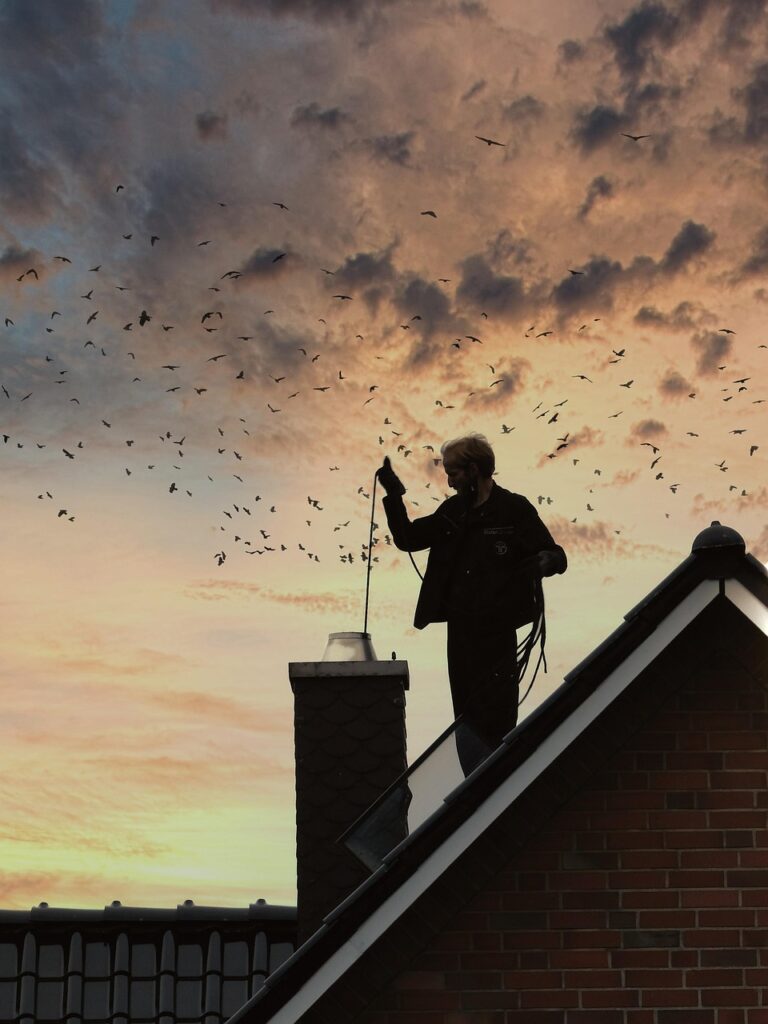
Level 1 chimney inspection is intended for homeowners looking for routine maintenance. The most common among the three levels, this is focused on visible and easy to access areas in the system.
Chimney inspection level 1 involves the examination of the flue, fireplace, exterior components, chimney connection, and other exposed parts. A chimney service technician assesses these areas to check if there are probable safety concerns. Inspecting the chimney connection is important to ensure it is secure, intact, and free of obstructions or deposits.
For this inspection level, a periodic or annual check is ideal. It is intended for:
- Systems where the same appliance and venting system have been used under the same conditions
- Systems where fuel types and appliances have remained the same over time and are being used in the same conditions
- Systems that have not been affected by storms, fires, or structural changes
Level 1 inspection is the minimum requirement for chimneys in continued service with no changes, and it includes verification of basic appliance installation.
This chimney inspection level has a vital role in routine maintenance—it helps homeowners and inspectors identify wear and tear early on. It also helps track the system’s condition over time. Ensuring all chimney components are functioning properly during a Level 1 inspection is essential to prevent fire hazards and maintain safe operation of the fireplace system.
However, level one is limited, as it is not designed for chimneys that have gone through change, such as when there is hidden damage.
A level one inspection is completed in more or less 30 minutes to one hour. The cost of a Level 1 chimney inspection typically ranges from $80 to $200.
Level 2 Chimney Inspection: One Level Deeper
The next level takes a deeper look into the system. This type of inspection is recommended for chimneys that have undergone changes—both in the system and the home—such as properties that have gone through an earthquake or fire. A level 2 chimney inspection is also ideal for systems where there is no visual confirmation of suspected issues.
In addition, this type of inspection is common in situations where one may ask what is a level 2 chimney inspection, such as during home sales.
This more in-depth inspection uses a video camera or any similar special tool to examine the interior and concealed areas of the chimney. Some inspectors also assess crawlspaces and attics.
A level two chimney inspection focuses on everything included in a level 1 inspection, and:
- Flue lining assessment
- Hidden joints and connections check-up
- Confirmation that the system is appropriate for its intended and current use
Some examples of situations where a level 2 inspection is recommended include changing fuel types, seismic events, chimney fire, a change in heating appliances, and when buying or selling a home.
This is also referred to as level 2 fireplace inspection as the focus is not only on the chimney and its physical structure but also on the fireplace. They are considered a connected system during inspection.
However, just because a system undergoes level 2 inspection doesn’t mean it has damage or issues. It just means that inspectors want confirmation of the system’s safety even under changed or new conditions.
Level 2 inspections typically take one to two days to finish.
Level 3 Chimney Inspection: A Comprehensive Dive
Level three is the most comprehensive inspection; it is also the most invasive and the least common. It is reserved for chimney systems with compromised structures, or those that present a serious hazard.
A typical level 3 inspection would include the removal of some chimney or wall parts so the inspector can access the unreachable areas. Level 3 inspections may require the use of special tools, specialty tools, or demolition equipment to access concealed portions of the chimney and building structure, including the interior chimney wall and chimney crown. This level of inspection is necessary to address the proper construction and proper clearances in concealed areas, and to access concealed areas that cannot be inspected by other means.
A Level 3 inspection includes all the areas checked in a Level 1 and Level 2 inspection, and may require the removal of specific components of the building or chimney. So it is clearly not part of routine maintenance. Rather, it is a special process for specific purposes, such as fixing areas damaged after an earthquake or a fire.
A level three inspection is not a regular occurrence; most homeowners won’t need it. However, it is proof that the chimney inspection process is designed to adapt to a system’s situation, even if the danger level escalates.
To properly carry out a level 3 inspection, contractors can sometimes team up and collaborate. The process lasts several hours and once it is completed, homeowners are provided with a detailed report, including specifications for the required repairs. The cost of a Level 3 chimney safety inspection can range from $1,000 to $5,000 due to its complexity and the potential need for demolition.
What Each Inspection Level Can and Cannot Do
As mentioned earlier, each inspection level matches the condition of the chimney system. Each level is important; none of them is more superior than the others. Level 1 provides solutions for questions that do not concern levels 2 and 3. Levels 2 and 3 inspections, on the other hand, provide answers to questions that are different from that of level 1. Knowing what each level can and cannot do will help you understand these differences—why a particular level is recommended for one situation but not ideal for another.
Level 1 Chimney Inspection: Benefits and Limits
Level one chimney inspections involve evaluation for chimney systems and fireboxes that have not undergone any changes. While it is a basic inspection, it plays a significant role in ensuring that your system is continually kept in good condition.
Level One Inspection Benefits
Efficient way of carrying out routine safety checks
Even if you have not used your fireplace the same year each year, it still needs to undergo the basic chimney inspection regularly. A level one inspection is designed specifically for this purpose—for chimneys with no venting system, fuel type, or appliance changes. It’s an assurance that everything is working in your system and that it is safe to use. This is why level one is ideal for routine maintenance.
Easy to schedule and does not require invasive work
Since level one inspections are focused on easy to access areas, inspectors do not need any equipment. It is non-invasive, so you won’t have to worry about disruptions. It does not require the removal of chimney components or the opening of walls. It is a simple, stress-free process that you can schedule in your free time. You won’t even have to worry about the inspection affecting your daily activities.
Effectively identifies visible issues before they become full-blown problems
While level one chimney inspection focuses on a limited scope, it is an important process for homeowners who want their systems to work safely and efficiently for years. Without tearing down walls or removing anything from the chimney, inspectors can see if there are visible issues that need attention and can be resolved before they become worse. Addressing issues as early as possible will prevent these issues from becoming serious safety concerns.
Ideal for long-term maintenance
Regular level one inspections help inspectors and homeowners establish a process, such as keeping an updated record of the system’s condition. As such, it is easy to identify signs of wear and tear, recurring issues, and small but gradual changes that can develop into bigger issues when left unattended. Thus, planning for long-term maintenance is easier. Instead of just reacting to and worrying about unexpected problems,
Level One Inspection Limits
Enclosed and hidden areas are not inspected
Perhaps the biggest limit of a level one inspection is that it focuses only on visible areas or components, so it cannot evaluate or assess enclosed and hidden areas. Some examples are the chimney’s internal structure and certain parts of the flue, which are located within the walls. If there is damage in these sections, there will be no visible signs, and you or the inspector will have no idea that there are issues.
Not enough information on damage or changes
If you changed fuel type, experienced a storm, or installed a new appliance, a level one inspection will not suffice because it will not provide the information you need. The inspection involves only visible checks, so you’ll only get a report indicating the presence of visible issues but won’t receive details beyond that. If there is damage, you won’t get enough information about it so planning your next action can be a challenge.
In a level one inspection, a chimney’s condition is dependent only on its visible condition, which is seen as a reflection of the system’s overall condition. It does not focus and rely on hidden or internal defects or damage that develop over the years. Thus, a level one inspection is only helpful to situations for which it is intended.
If your chimney system, including the fireplace, has undergone some changes or experienced emergency situations, a Level 2 chimney inspection is essential. This type of inspection is required after an operation malfunction, weather events, external event (such as a building or chimney fire, seismic activity, or severe storms), changes in input rating, or findings from a previous inspection that indicate potential issues. A licensed chimney inspector typically performs the assessment.
A Level 2 inspection is intended for chimneys that need more than just a surface level inspection, one that involves not only the visible but also the hidden components. The process includes a visual inspection using video scanning and a special camera to examine the internal surfaces and joints of flue liners, crawl spaces, attic, basement, roof, and chimney exterior, as well as other accessible portions of the system. Inspectors check accessible parts of the chimney and do not remove permanently attached portions; they may open doors or panels as needed. The inspection also addresses proper clearances from combustibles and checks for combustible deposits.
During exterior assessments, inspectors check for masonry cracks, crumbling mortar, and the condition of the chimney crown and cap.
The cost of a Level 2 chimney inspection can range from $100 to $500 depending on various factors, and can vary widely from $185 to $1,000 based on the complexity and location.
Level Two Inspection Benefits
Offers a comprehensive examination of the chimney system
Level two chimney inspections include areas that are not covered in level one assessments. Inspectors depend on tools like video scanners to help them evaluate hidden parts of the system and the internal flue. This provides you a more comprehensive idea and better understanding of the current condition of your chimney.
Focused on internal issues not seen during level one inspections
Some of the internal problems common to chimneys and fireboxes, such as creosote build-up, compromised materials, internal gaps, and leaks or cracked liners, are identified during a level two inspection. This allows for timely intervention and guarantees that these issues do not develop into serious complications or damage. If left unnoticed and unattended, they can result in ventilation problems, chimney fires, and smoke leakage.
Ideal for home sales and similar transitions
If you’re planning to sell your home, you’ll need to provide your real estate agent and prospects with substantial information about your fireplace and chimney system. Aside from maintenance details, you’re also expected to share information about the safety, reliability, and efficiency of your system. This is the type of information you’ll get from a level two chimney inspection.
Provides a more detailed update of the chimney condition
Whereas a level one inspection only provides basic information, a level two inspection gives you a more detailed record of findings. You’ll understand the system’s history better, allowing you to come up with more informed decisions regarding usage and maintenance, and providing you with useful information for future planning.
Level Two Inspection Limits
A bit more thorough but still non-invasive
Level two may be more thorough than level one inspections but it is still not as invasive as you need an assessment to be. Your inspector won’t dismantle chimney components or open walls, so you still won’t be able to see if the solid components of your system are damaged or in danger of developing serious issues.
Confirmation after inspection may be difficult
Through a level two inspection, an inspector may find signs of probable issue or damage, but they cannot confirm the extent of the problem. So additional steps are needed to determine how serious the situation is, or if damage really exists.
A level two chimney inspection is ideal only if the system has been modified. If used for systems that have not been changed or are regularly used and inspected, it may offer more information than what is necessary at that period.
Additionally, if you compare level 1 vs level 2 chimney inspection, the difference lies largely in the level of certainty required for a given situation.
Level 3 Chimney Inspection: Benefits and Limits
If you think your chimney system is seriously compromised, doing a level 3 inspection is the only way to go. Although it is not as common as the first two levels, this type of inspection is recommended in situations where safety is a crucial concern, and when a non-invasive assessment no longer works.
Level Three Inspection Benefits
Allows access to enclosed and hidden components
In a level three inspection, the inspector is allowed to go deeper and physically access the enclosed or hidden components of a chimney system. They can check parts or areas that can be a safety hazard, remove structural components, and open walls that may be compromised or severely damaged. This helps the inspector do an in-depth assessment of the condition of the system’s components.
Ideal way to rule out or confirm hazards
If your inspector found potential damage during a level two inspection, they can proceed to a level three inspection to rule out or confirm its existence. For example, a level three inspection can be used to determine whether an issue identified during a level two video-based inspection poses an actual risk to the system. The inspection removes uncertainty so that proper action may be taken to resolve the problem.
Level Three Inspection Limits
It can be disruptive
While it’s true that an invasive inspection can help provide thorough assessment, it can also be disruptive, especially when materials are removed. It can affect finished spaces that may need repairs later on.
It is not intended as a routine inspection
A level three inspection is not used for prevention or regular maintenance. It is an advanced process that is intended only for systems that may be compromised by serious threats, such as structural damage or deterioration.
Targets specific hazards not a broad evaluation
Level three inspections are aimed at specific components or potential hazards. As such, it does not present a general evaluation of the entire chimney system.
How Fireplace Inspection and Chimney Inspection Work Together
Fireplace inspections look at the damper, firebox, and other components, while a chimney inspection focuses on how smoke and gases move safely out of the house through the system. They complement each other and function together, which is why an inspection assesses both the fireplace and the chimney. This is called a fireplace and chimney inspection, a process that results in a coordinated assessment of the overall system.
In level 2 fireplace inspections, inspectors pay close attention to how the fireplace connects to the chimney, particularly in systems that have experienced changes.
How Often A Chimney Inspection Is Needed
For fireplaces that are regularly used, safety authorities recommend chimney inspections at least once a year. However, since weather conditions, and animals can still affect fireplaces that are only used occasionally, they will need regular inspections as well.
It is important to plan ahead for chimney inspections to prevent costly repairs and ensure safety. The best time to schedule a chimney inspection is in late summer or early fall, before the peak heating season begins. To avoid booking issues later, you should schedule your next chimney inspection during the current inspection.
The frequency of chimney inspections typically depend on usage, chimney age, design, and fuel type. Proper maintenance, including cleaning, combined with regular inspections can help extend the lifespan of a chimney system.
Common Myths About Chimney Inspections
The most common chimney inspection myth is that an inspection is needed only when something wrong happens. The truth: inspections are necessary even when there is nothing visibly wrong with the system.
There is also a misconception that level two inspections are signs of trouble. The truth: it indicates that there have been changes in the system (such as a new appliance or fire), not damage or any confirmed issue.
Understanding Chimney Inspection Levels Matters
More than anything else, chimney inspections are intended to keep homeowners aware, because being aware means being safe. If you know and understand the different inspection levels—what their advantages and limits are—you can confidently make informed decisions.
Understanding the different inspection levels also helps determine when a routine check is needed or when it’s time to schedule a comprehensive evaluation. The right inspection level helps ensure the safety, reliability, and efficiency of your fireplace and chimney. Contact us at TOR Chimney & Fireplace and we’ll be able to help you safely do maintainance on your chimneys.