Imagine spending a cool evening in your backyard, enjoying the warmth of a fire while talking with family or friends. Whether you’re hosting a weekend gathering, having dinner outdoors, or simply relaxing after a long day, an outdoor fireplace can turn any ordinary backyard into a welcoming place to spend more time in.
As the outdoor living trend continues to influence home design, more and more homeowners are looking into different ways to transform their yards, gardens, and patios into extensions of their indoor living spaces. An outdoor fireplace can add warmth, create a focal point, and improve the overall appearance of a home’s exterior. However, an outdoor fireplace isn’t necessarily for everyone. Installation costs, maintenance, safety requirements, as well as available space and local weather, are all deciding factors homeowners should consider.
What Exactly Is an Outdoor Fireplace?
An outdoor fireplace is a fire feature designed for use outside the home, usually placed in the yard or patio. It can be built into a patio, installed in a backyard entertainment area, or positioned in a dedicated outdoor seating space. Some models of outdoor fireplaces are designed to be permanent structures made from brick or stone, while others are prefabricated units that fit more easily into existing layouts.
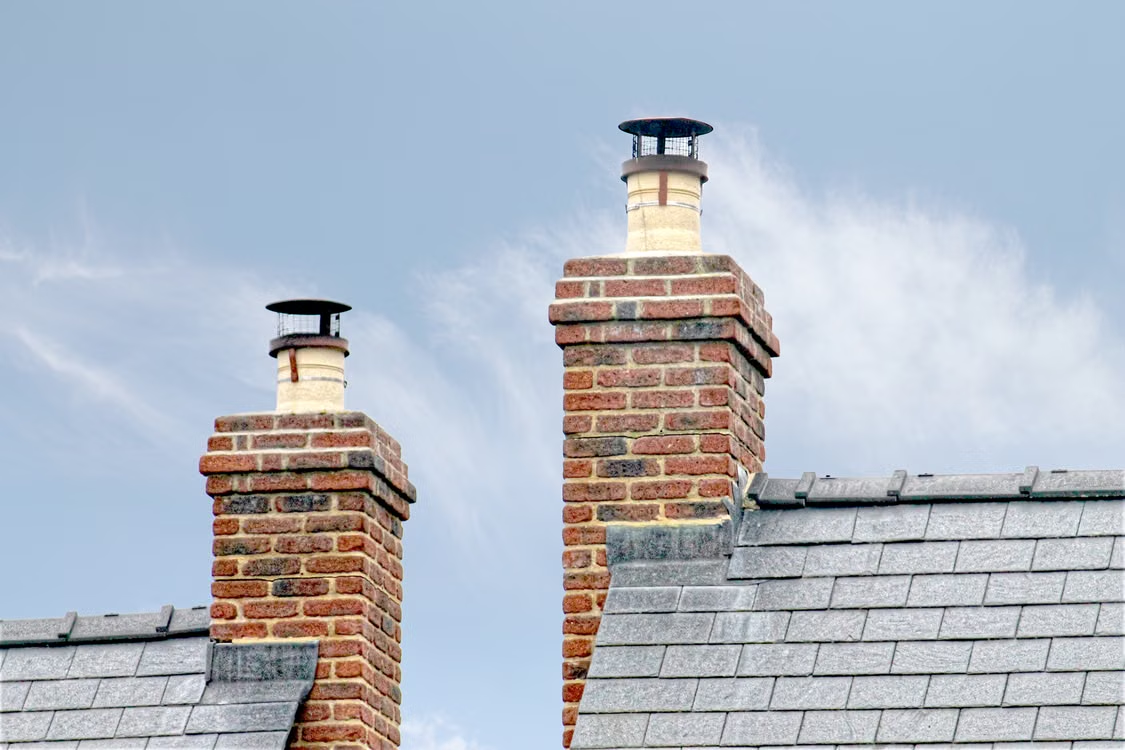
Just like any indoor fireplace, its outdoor counterpart can provide warmth in the colder months and create a relaxing atmosphere. But unlike indoor fireplaces, these outdoor versions are mainly designed to withstand weather exposure and operate in an open environment. Many traditional wood-burning designs include a firebox and a chimney or flue that directs smoke upward and away from the seating area.
Outdoor fireplaces come in different sizes, fuel types, and styles. Some homeowners prefer traditional masonry for their outdoor fireplace, while others lean towards more modern gas models with simple, clean aesthetics. There is no right or wrong choice here; it all depends on the overall aesthetic of the home, the available space, and how the homeowner plans to use the fireplace.
Some people confuse outdoor fireplaces with fire pits. Although they serve similar purposes, outdoor fireplaces and firepits actually offer different experiences. Outdoor fireplaces generally have defined openings with a more structured design. Most models come with a chimney or flue to direct smoke upward, making the fireplace a natural centerpiece for a patio or outdoor room. Firepits, on the other hand, are usually open, allowing people to gather around the flames from several directions, similar to a campfire. They can work well for casual gatherings and flexible seating arrangements.
Choosing Outdoor Fireplaces Over Firepits
An outdoor fireplace is more than a decorative addition to your yard or patio. When properly planned, it can improve how you use and enjoy your outdoor space.
One of the biggest reasons homeowners install outdoor fireplaces is to make outdoor spaces feel more inviting and warm, especially during cooler weather. It also helps make these areas more usable when temperatures drop. The amount of warmth a standard outdoor fireplace can provide will depend on the design, the type of fuel consumed, wind conditions, and distance from the fire. Although a fireplace won’t necessarily heat a large outdoor area evenly, it can make a seating space more comfortable on chilly evenings.
An outdoor fireplace can also provide a natural gathering space for homeowners and their guests. It works just as well for larger get-togethers as it does for intimate gatherings. A fire has a way of bringing people together ever since humanity first learned how to light a fire. Whether you’re hosting a family barbecue, celebrating a special occasion, or catching up with relatives and friends, an outdoor fireplace provides a natural place for everyone to gather. It also gives your backyard a clear purpose. Instead of having an open area that rarely gets used, you can create a dedicated spot for conversations, meals, and relaxation.
A well-designed fireplace is also good for adding character to your home’s exterior. Bricks and natural stone offer a more traditional look, while concrete, metal, and geometric designs can complement modern home designs, with finishes chosen to match the surrounding decor. The key is to pick a style that works best with your existing surroundings. A large stone fireplace may look impressive in a spacious backyard but overwhelm a small patio. A more compact design, on the other hand, can provide a welcoming atmosphere without taking up too much space.
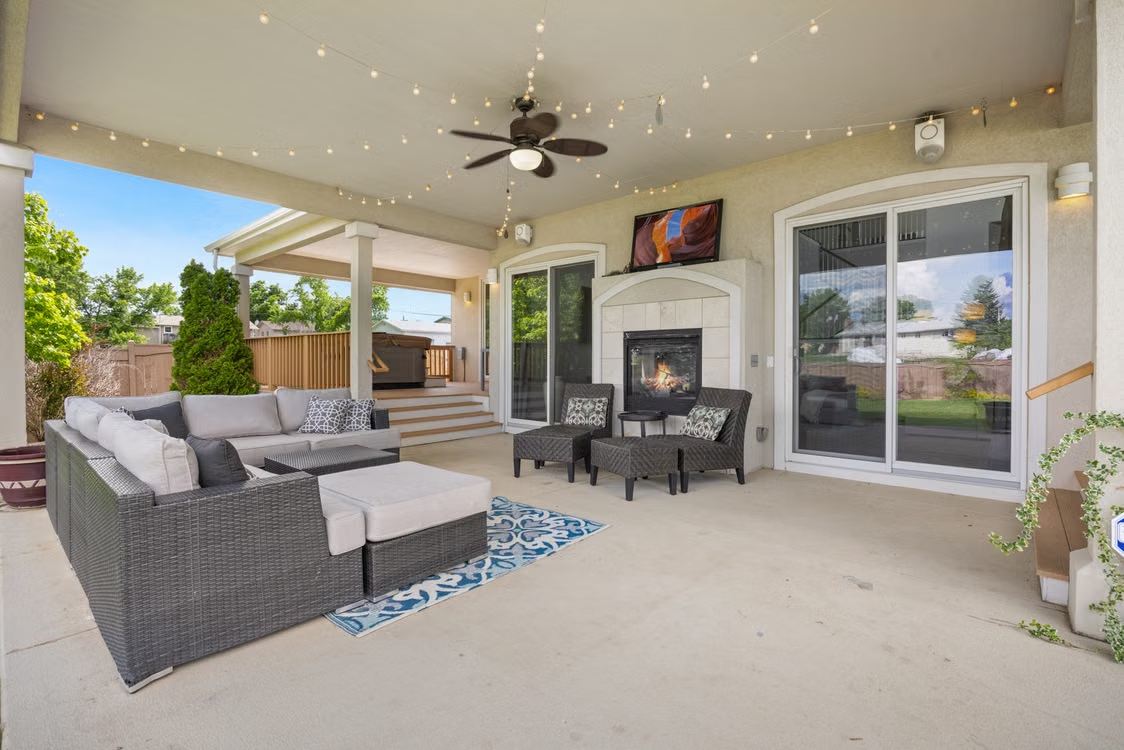
The outdoor living trend focuses on making patios into more functional outdoor spaces that feel attractive and comfortable. A well-designed outdoor fireplace fits perfectly into this idea by transforming an underused area of your property into a practical and useful living space. Surround it with matching outdoor sofas, weather-resistant cushions, dining furniture, and garden lighting for a setup that feels both practical and fun. The fireplace can define the seating area and give the entire layout a more intentional appearance.
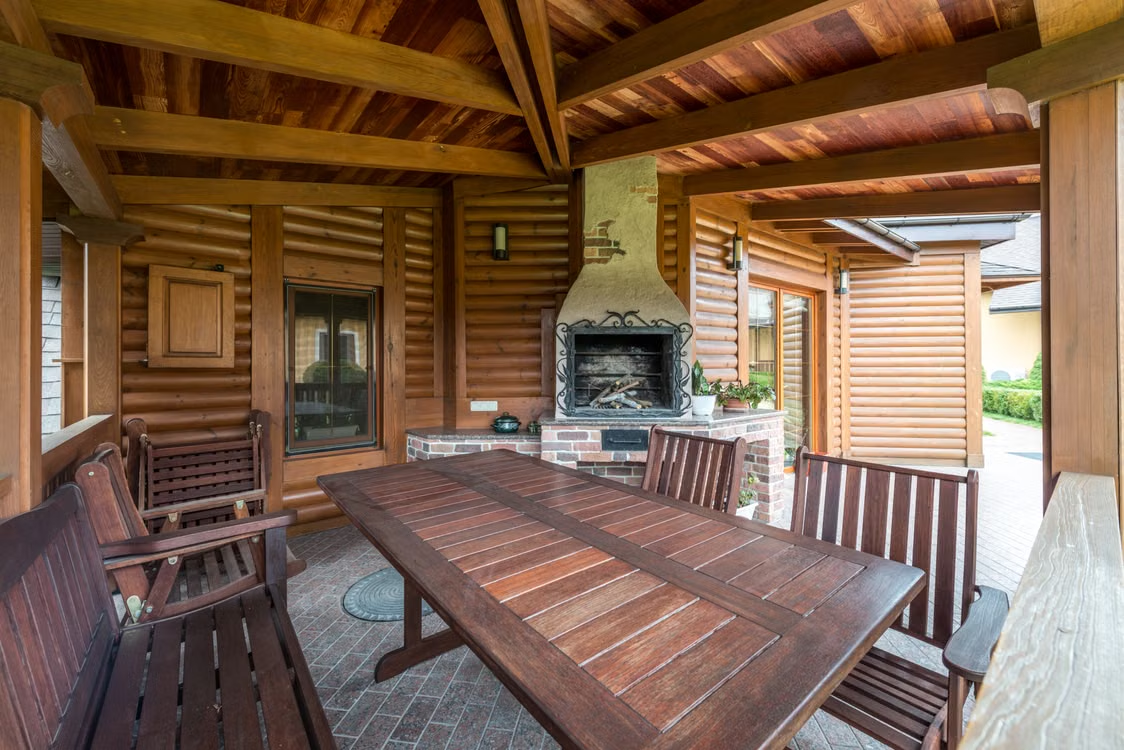
If you’re looking to put your house on the market, a thoughtfully designed outdoor living room will not only help increase its value, but may appeal to future buyers as well, especially those who like entertaining spaces and attractive landscaping. An outdoor fireplace can contribute to that appeal when it complements the property and is installed properly. But this isn’t a guarantee that an outdoor fireplace will increase the resale value of your home. The return on investment will largely depend on local buyer preferences, installation quality, and maintenance requirements.
Different Types of Outdoor Fireplaces To Choose From
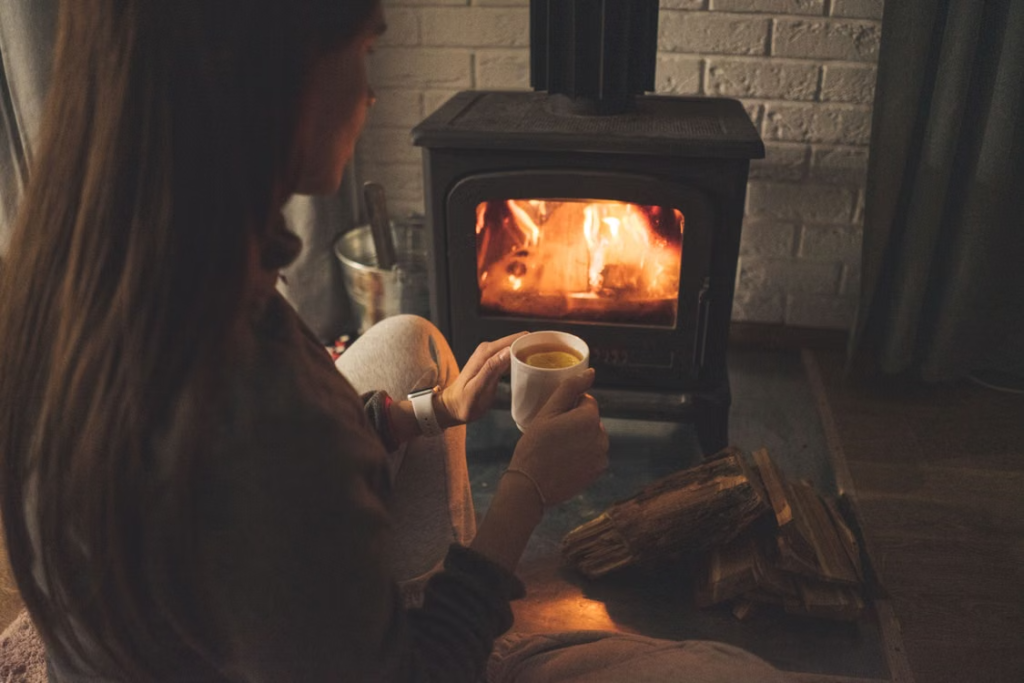
Before you decide whether an outdoor fireplace is suitable for your home, it helps to understand the options that are available to you. And one of the most common options available are wood-burning outdoor fireplaces, with each wood burning fireplace appealing to homeowners who enjoy the traditional experience of a real wood fire. The crackling sounds and natural flames create a comfortable, rustic, and almost nostalgic atmosphere. These fireplaces can be built from brick, stone, or other suitable materials. Many permanent designs include a firebox and an outdoor chimney to carry smoke upward.
The downside for some people with this option, however, is that wood-burning models require more hands-on care. You’ll need to have a regular stock of good dry firewood, suitable storage for said dry firewood, and a routine for removing ash and maintaining the firebox. Smoke can also become a problem, even in an outdoor setting, especially if the fireplace is poorly designed or wind carries it toward seating areas or neighboring properties.
Apart from wood-burning, the main difference between these options often comes down to fuel type, and there are also gas outdoor fireplaces that use natural gas or propane to maintain the fire. These models can be started with a simple switch or ignition system, making them an easier and more convenient option for a lot of homeowners compared to traditional wood-burning designs. Gas-fueled outdoor fireplaces also produce less ash and typically require less firebox cleaning. Depending on the model, this option can provide a consistent flame with less smoke than a standard wood fire.
Gas fireplaces, however, will still require proper installation, ventilation, and regular checks, especially since we’re talking about dangerous combustible gases. Natural gas models may need a permanent connection, while propane units require appropriate fuel storage. Gas lines and connections should be maintained properly and handled by qualified professionals.
We’ve covered wood-burning and natural gas outdoor fireplaces, now let’s talk about electric models. Some can imitate the look of a wood-burning fire without storing firewood. This option suits homeowners who want decorative flames without burning wood or gas, although some models do also provide supplemental heat. The main advantages with electric fireplaces are convenience and the relatively easy day-to-day operation. But not every electric fireplace is designed for outdoor exposure. Make sure to pick a model that is rated for its intended environment, and make sure its electrical supply and connections are suitable for outdoor use.
Built-In and Freestanding Designs with Decorative Accents
Okay, there’s wood-burning, gas and electric models. Now let’s consider how these outdoor fireplaces are built or put together. You have two options available, built-in and freestanding designs. When the layout allows, they can also anchor a seating area against a wall or other permanent structure. A built-in fireplace can give your outdoor area a custom, permanent appearance. It can be designed from the ground up around your patio layout and home’s architecture, although construction may involve a larger budget and more planning.
Freestanding fireplaces, on the other hand, offer far greater flexibility, especially on your budget. Depending on the model, this option can be easier to incorporate into an existing outdoor space and bring your outdoor vision to life, or relocate if and when necessary. Before purchasing either type, though, you should consider the size, required clearances, fuel source, and installation requirements. The most attractive option isn’t necessarily the most practical for your home.
Is Your Home Suitable for an Outdoor Fireplace?
An outdoor fireplace can be a great option for homeowners who want to make use of the free space they may have, but there are several factors that determine whether it will actually work well on their property.
One of the biggest and most obvious deciding factors is the size of the available space. You should start by looking at where you want the fireplace to go. Is there enough room for the unit that you have your eye on, is there enough space for comfortable seating, and can people move safely around the fireplace? A large fireplace may suit a spacious garden, but too much in a relatively small patio. In a compact area, a smaller model may provide the atmosphere you want without restricting movement.
Another thing to consider is the local climate where you live. Weather and exposure to the elements can influence how often you use your fireplace and how well it will hold up over time. Rain, moisture, strong winds, and temperature changes can affect materials and the comfort of the surrounding seating area. If your home experiences frequent rain, high humidity, or strong winds, choose durable materials suited to local conditions and plan for appropriate weather protection. Patio finishes such as stone or tile should also match both the conditions and the overall design.
Before buying an outdoor fireplace, you might also want to find out whether local building regulations, fire-safety rules, permits, or homeowners’ association requirements apply to your project. The requirements may differ depending on the fuel source, construction, distance from property boundaries, and whether the installation is near a covered structure. If you’re considering an outdoor fireplace beneath a roof or inside a covered patio, pay particular attention to ventilation and clearance requirements. You should also consult a local authorized dealer and review the manufacturer’s manuals before choosing a model for a specific application.
The Potential Downsides of an Outdoor Fireplace
Like everything else, it can’t be all positive. There are also downsides that you have to take into account when deciding whether or not you should put an outdoor fireplace on your property. Although there are many good reasons to consider an outdoor fireplace, it’s equally important to understand its potential drawbacks.
One of these drawbacks is the installation cost. This kind of project can be quite expensive if you’re not careful. The total cost of installing an outdoor fireplace depends on several key factors, like the fireplace type, the materials used, the size, site conditions, labor, and nearby features such as retaining structures, outdoor kitchens, or a fire pit if they are part of the overall patio plan. A custom-built masonry fireplace, for example, generally requires more construction than a basic freestanding unit, which means more cost. Gas connections, electrical work, a properly designed chimney, and modifications to an existing patio can all add up to a hefty price tag.
Maintenance is another potential drawback you need to consider. Like other features of your home, an outdoor fireplace needs regular care. Wood-burning models may require ash removal, firebox cleaning, and professional chimney inspections, while gas and electric models will need thorough cleaning regularly as well as periodic checks. Before each season, check the chimney flue for blockages. Neglecting the maintenance process can result in poor performance, contribute to deterioration, and create a myriad of safety concerns.
The local climate where you live can also present several drawbacks that you need to consider. For instance, if you live somewhere that experiences strong winds on a fairly regular basis, then this may limit how often you can use your fireplace. Wind, rain, and moisture can also affect nearby plants and soft furnishings, not just overall comfort. Wind can carry smoke toward guests, neighboring homes, or open windows. Rain and strong winds can also make the area less comfortable, even when the fireplace is built to withstand outdoor conditions.
An outdoor fireplace involves heat and, depending on the model, open flames, flying embers, fuel, or electrical components. Safety should always be a priority when it comes to outdoor fireplaces, or any other heating appliance. Children and pets must be considered when arranging the surrounding space. Keep combustible materials at the required distance, follow operating instructions, and never leave an active fire unattended. You should also follow your local fire restrictions and keep functional fire-extinguishing equipment accessible at all times.
If these precautions are difficult to manage in your available space, an outdoor fireplace may be not suitable for your home.
Keeping Your Outdoor Fireplace Safe and Well-Maintained
Regular care helps protect your investment and keeps the fireplace ready for use, any time. For wood-burning models, remember to remove ash as needed, keep the firebox clean, and arrange professional inspections of the fireplace and chimney regularly. Creosote, debris, and damage inside a chimney or flue can create serious hazards, so inspect the hearth, firebox area, and flue as needed and don’t ignore signs that something needs attention.
If you have a gas fireplace, you should have it checked according to the manufacturer’s maintenance recommendations. Check the owner’s manual for complete requirements and current product specifications. Installation and service should adhere strictly to the instructions shipped with the unit. If you notice unusual smells, damaged connections, or ignition problems, stop using the unit and contact a qualified technician. Electric models should also be checked for damaged cords, connections, or components, particularly when exposed to outdoor conditions. Weather protection matters as well, so use the appropriate covering for your fireplace. Keep drainage around the installation in good condition, and look for cracks, rust, or other signs of deterioration.
Good fireplace safety also means following operating instructions every time. Use only approved fuels, and install alarms that detect smoke and carbon monoxide in nearby indoor areas while following placement guidance to avoid nuisance triggers. Keep children and pets at a safe distance, and never leave an open fire unattended. Avoid using the fireplace during a local fire ban or when conditions make operation unsafe. When you notice a problem, no matter how seemingly small, address it promptly instead of just waiting for it to become more serious and dangerous, which can leave you with costly repairs.
Make the Right Choice for Your Home and Lifestyle
So, is an outdoor fireplace worth adding to your home? For many homeowners, the answer is yes, provided the property has enough suitable space and the installation fits their needs and budget.
An outdoor fireplace can make a patio more inviting, create a natural gathering space for family and friends, as well as give your backyard a distinctive appearance. But these benefits need to be carefully weighed against installation costs, maintenance, local restrictions, and the responsibility of operating a fire safely. This kind of project may not be suitable for a small or poorly ventilated area, a property with strict burning restrictions, or a household that is not prepared to handle the added upkeep. In such situations, another outdoor feature may be more practical.
If you’re looking for the ideal fireplace for your available outdoor space, consider your property’s size, the local climate, your preferred design, and the work needed to install and maintain the unit. Taking these factors into account should help you make an informed decision.
An outdoor fireplace can transform your backyard into a welcoming space to relax and connect with family and friends. However, good planning and proper installation make all the difference. If you’re considering a new fireplace or need guidance on chimney design, maintenance, or safety, TOR Chimney can be a helpful place to start. Visit the TOR Chimney website to explore your options and learn more about making your fireplace project a safe, practical, and lasting addition to your home.