Imagine this scene: You’re ready for a relaxing evening, so you get your favorite book, prepare your comfortable reading chair, and prepare to light up the fireplace. But when you do, smoke moves back into your living room instead of going up into the chimney. If you’ve experienced this, you are not alone. A lot of homeowners have had a downdraft chimney, a problem that usually happens during windy days or colder months.
When a chimney downdraft occurs, heat, gases, and smoke are pulled downward instead of outside. So the chimney sends back unwanted odors into your living space. This means you can’t use your fireplace or your wood stove, and you’ll have to deal with reduced air quality and heating efficiency. The downdraft can also stem from a bigger problem affecting the airflow in your home or your chimney system.
Fortunately, you can fix a chimney downdraft without the need for major renovation. But, of course, you have to first determine the cause of the problem before coming up with possible solutions. Chimney issues vary depending on external forces, such as the weather. For example, a chimney that doesn’t perform properly when the winds are strong or when the weather is stormy has a different problem than a chimney that struggles to perform efficiently on quiet and calm days.
This guide will help homeowners understand what causes chimney downdraft, know how to determine the root of the problem, and learn how to stop chimney downdraft. Whether you’re using a wood-burning stove or a traditional fireplace, you’ll need the tips in this guide to help you correct your heating system and airflow.
Understanding a Chimney Downdraft
Chimneys work because warm air naturally rises. When the fireplace is lit and the fire burns, the stack effect takes over as hot air rises inside the flue, safely carrying the smoke out of your home, though temperature imbalances can block warm air from rising properly. This normal upward airflow is known as a draft.
When the normal upward airflow is reversed, a chimney downdraft occurs. Instead of pushing the smoke out, the cold outside air is pushed down into the chimney, forcing hot gases and smoke back down the flue and eventually into your living space, your home. You’ll also find it difficult to keep a fire burning, and cold air may enter through the fireplace even when it is not in use.
A downdraft fireplace is not a normal occurrence; it may be a sign that airflow is not normal and may be restricted or obstructed.
Chimney Downdraft Causes
The first thing you need to do if you want to correct chimney downdrafts is to understand what causes chimney downdraft. There are several factors you need to consider:
A Cold Chimney Flue
If you haven’t used your fireplace for quite some time, your chimney stays cold. The air inside is heavy, too. The chimney will take time to warm up, so when you light a fire, some smoke may enter your home instead of going up through the flue and out of the chimney. This may stop when the flue eventually warms up.
Wind Conditions
Wind can affect chimney performance in both ways – positively and negatively – depending on the conditions. If the conditions are right, it helps smoke rise and exit the chimney easily, but wind can also create low pressure around the chimney opening. But certain roof shapes, and tall trees and buildings near the area, can push the wind downward, blowing the air back into the chimney and causing a downdraft. This is what happens if there is a chimney downdraft when windy. In these conditions, chimney fans installed at the top can help improve airflow during windy weather.
When Your Home Has Negative Air Pressure
Most of the modern homes we see today are energy efficient. They come with HVAC systems, exhaust fans, bathroom fans, clothes dryers, and kitchen range hoods that help push air out of the house.
While this is normal, there are times when too much air is removed, so your home looks for air sources and pulls in air to replace what was removed. When air is drawn from the chimney, a downdraft fireplace develops. And this can happen even if the chimney is properly and efficiently working.
The Chimney’s Height
Your chimney’s height is an important factor, especially if it is too short, because it may not be tall enough to rise above the roof. Short chimneys can be blocked or obstructed by nearby tall buildings, tall trees, and rooflines. The airflow is blocked, making it difficult for smoke to move upward. As a result, the wind pushes the air back into the chimney instead of helping it escape.
Obstructions or Blockages
If the flue is blocked by creosote buildup, broken masonry, leaves, bird nests, or a damaged flue liner, draft issues can develop. As such, airflow is restricted, and smoke cannot flow out easily through the flue, causing a chimney downdraft and impairing venting, causing smoke to fall back into the living space.
Stove or Fireplace Design
There are cases where the problem is the stove or fireplace, not the chimney. Downdraft in wood stove systems is sometimes a result of the fireplace opening being oversized, poor installation, or the wrong flue size. In such cases, homeowners need to focus more on adjusting the venting setup or stove pipe instead of the chimney.
Now that you have a fairly good idea of what a chimney downdraft is, it’s time to discuss the things you can do to overcome the problem.
Advice 1: Find the Root Cause of the Problem Before Finding a Solution
While it’s tempting to go online and purchase the first accessory or solution that you find, it’s not the smartest thing to do. You can’t stop smoke from getting into your living space by relying on guesswork, or by buying something that you saw your neighbor or friend use. Draft boosters and chimney caps can help, but they address only one aspect of the problem.
The best thing to do first is to identify the root cause of the issue.
Spot Issues Through a Basic Chimney Inspection
Don’t wait until you can buy specialized, high-tech equipment – because you won’t need them to identify the obvious problems. All that you need to do is a basic chimney inspection.
The first step is to observe the chimney exteriors, including its height. Pay extra attention if the chimney is shorter than the other rooflines in the area, if tall trees are obstructing the opening, or if there is visible damage.
You need to check the fireplace interiors as well, especially if there is fallen debris, too much soot buildup, or bird nests in the flue.
Additionally, the presence of creosote buildup or airflow restriction should not be taken lightly. Don’t use your fireplace until any visible buildup or restriction has been evaluated and thoroughly cleaned by a chimney sweep.
Watch the Conditions When the Downdraft Happens
Don’t take your eyes off your fireplace and chimney when a downdraft happens. Watch the conditions and ask yourself the following questions:
- Does smoke come in only when it’s windy?
- When does the problem usually happen? Does it happen at the start of a fire?
- Will the draft improve if I open a nearby window or exterior door?
- Does this happen the whole year ‘round, or only during the winter season?
The answers to these questions will help you understand what caused the problem. For example, if you noticed the draft improved after you opened a nearby window, then most likely, the main issue is negative air pressure inside your home.
On the other hand, if the issue happens only when there’s a storm, the main culprit would be wind turbulence surrounding the roof.
If the problem happens only during storms, wind turbulence around the roof may be the culprit.
Indoor Air Pressure Matters
It’s important to know that the appliances in your home can also affect chimney performance. For instance, if you’re using several exhaust fans simultaneously, or if your furnace is affecting overall airflow, you’re creating significant negative pressure that can worsen when warm air escapes through the upper levels of your home. That pressure imbalance can then draw air down from the chimney instead of pushing it out of the system.
To prevent this from happening, turn off your clothes dryers, range hoods, and bathroom fans before you light the fireplace. You can also open a window to let in fresh air and offset pressure from exhaust appliances. This will immediately help improve the draft.
Doing this will help verify if the downdraft fireplace is a result of indoor air pressure and not a chimney damage or defect.
Again, Avoid Guesswork
If you rely on guesswork, you won’t solve your problem completely. You can place a cap on your chimney or make your chimney taller, but if the real issue is negative air pressure or an obstructed flue, you haven’t really done anything significant to eliminate the problem.
So, find time to explore, diagnose, and understand the problem before finding an efficient solution.
Advice 2: Use the Right Chimney Cap
If the reason for the downdraft is the wind and you want to upgrade while waiting for professional help, then your best option is to install the right chimney downdraft cap.
Chimney caps come in different varieties, and their quality also differs. So it’s important to know which one is ideal for your situation. With the right design, the chimney cap can help reduce airflow and downdrafts.
Why Chimney Caps?
Chimney caps affect wind movement around the opening of your chimney. They are designed to help redirect airflow, as well. So instead of the wind going downward, the cap redirects it so that airflow goes up, pushing the smoke upwards until it escapes from the chimney.
Additionally, there are chimney caps that are designed to improve the draft, so that smoke can easily flow out.
A lot of homeowners who installed chimney caps that prevent downdrafts have noted significant improvements in their systems.
Different Kinds of Chimney Caps
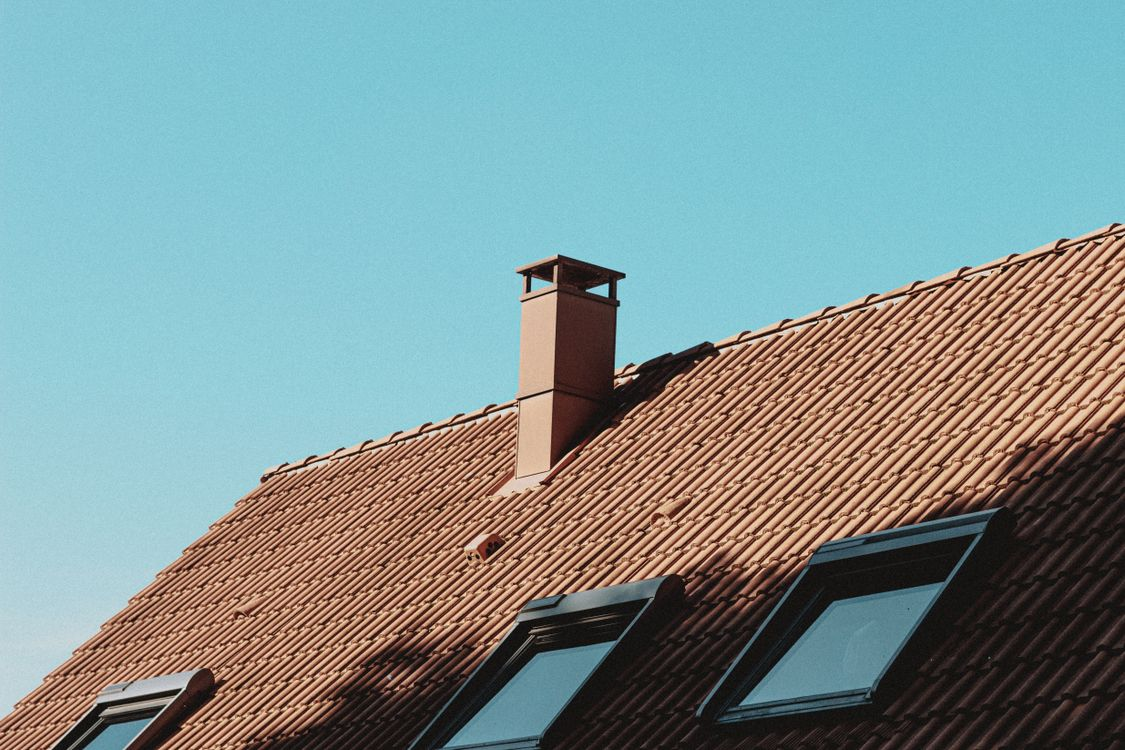
Chimney caps are created for different conditions.
The Standard Caps
Standard chimney caps offer basic protection against external elements such as animals, leaves, and rain. These caps are not ideal solutions for wind-related downdrafts.
The Wind-Resistant Caps
If you live in an area prone to high winds, these caps should be your first choice. Their shape is designed to redirect gusts and move them as far from the flue opening as possible.
The Rotating or Spinning Chimney Caps
Rotating or spinning chimney caps rotate with the wind to help pull smoke upward. These caps are ideal if you are located in an area where wind direction often changes.
The Vacu-Stack and Directional Caps
Vacu-Stack and directional caps are advanced designs that utilize wind energy to help address chimney draft. They’re more expensive than the standard caps, but they are a worthy investment, especially if your home regularly experiences chimney downdraft when windy.
How to Choose the Right Cap
The best chimney downdraft cap depends on several factors, including your local climate, roof design, chimney height, and the type of heating appliance you use.
For homes in consistently windy areas, investing in one of the specialized chimney caps that prevent downdrafts is often a smart long-term solution.
Remember, though, that you shouldn’t depend on upgrades alone. It’s important to combine the chimney cap upgrade with proper indoor airflow and professional chimney maintenance. It’s not the cure-all for your problem, but it is part of the solution.
Advice 3: Natural Chimney Draft Improvement
Not all chimney downdrafts need a major solution or repair. In some cases, you only need to change some habits, and you’ll notice a big improvement. Getting your chimney to produce a stronger natural draft can help correct some simple airflow issues before they can develop into major problems.
Don’t Light a Fire Without Warming the Flue First
If you want to improve chimney draft in the easiest way possible, warm the flue first before you start building a fire.
A cold flue has a lot of heavy, dense air – and only when this air becomes warm will smoke be able to go up. Otherwise, it will stay down and eventually spill over into your living space.
Don’t light a fire until you’ve tried these methods:
- Try rolling up several newspaper sheets to form a torch, light it, and hold it by the damper for around one to two minutes.
- Use dry kindling to start a small fire and use it to slowly warm the chimney.
- If allowed by your fireplace manufacturer, find a fireplace-safe heat source and use it to warm the chimney before you light the fire.
When the flue starts to warm, you’ll notice that the natural draft improves.
Use Dry, Seasoned Firewood for Burning
Using green or newly cut firewood won’t produce much heat or burn well because it has a lot of moisture, so use seasoned firewood with a moisture content of 20% or less. Use dry, seasoned firewood or hardwood instead because it burns hotter, supports cleaner combustion, and creates a stronger draft with less smoke. It directs airflow upward as well.
Seasoned firewood also limits creosote buildup, which ensures better chimney performance in the long run.
For the best results, look for firewood that’s been seasoned for around six months to one year.
Make a Hot Fire
If you build a fire, build one that’s steady and hot. Small and weak fires won’t help you make a good draft because they may not produce enough heat. Strong, hot fires produce hotter gases that rise more effectively through the chimney, and visible flames can help confirm the fire is established before you reduce airflow.
Before burning the firewood, make sure to read the manufacturer’s instructions on how much wood is ideal for burning. If you overload your fireplace, you’ll only add to your problems.
Don’t Neglect Your Wood Stove
If you have a wood-burning stove, be aware that it needs good airflow to function properly. If your stove pipe and chimney are still cold, or if the air vents are closed too early, smoke will not go up towards the chimney as expected. This is known as a downdraft in wood stove.
So, keep these in mind when you start a fire:
- The air intake must be fully open.
- Build a strong flame using dry kindling.
- Reduce the airflow only after the chimney drafts properly.
Also, do not forget to clean the chimney and stove pipe regularly. Proper maintenance will help ensure that there is correct airflow all through the heating season.
Adopting these habits will help in preventing downdrafts in chimneys while also boosting your heating system’s overall performance.
Advice 4: Reduce Wind-Related Downdrafts Around Your Home
Have you observed your fireplace lately? Did you notice how well it works when the days are calm, and how it acts up and sends smoke into your home when it’s windy outside? If this has happened to you, don’t worry too much because it’s not your chimney that’s the issue here – it’s probably the surroundings of your home.
To help you understand this, it’s important to learn wind behavior, specifically when wind moves around your roof. This can also help you address problems related to chimney downdraft when windy.
How Wind Produces Downdrafts
When wind moves across your home, it can change directions. It isn’t always steady, so it can hit nearby buildings, your roof, and tall trees. If this happens, air is sent back down to the chimney so smoke cannot escape. Thus, the unpredictable air patterns affect and interrupt the draft, and smoke is pushed back into your home. Air follows the path of least resistance, so leaks and openings can pull replacement air through the chimney during pressure imbalances.
If Needed, Go for Chimney Extension
As mentioned earlier, there are some instances where the chimney may be too short. If this is your situation, you can choose to extend your chimney so airflow can improve.
If you have a taller chimney, it will not be easily affected by wind moving around your roof. So it can pull smoke up and push it outside your home more effectively and efficiently.
Don’t do this on your own, though. Get in touch with a professional chimney maintenance specialist so you can determine if an extension is the ideal step to take.
Trim Trees Near the Chimney Area
Tall, leafy trees are a sight to behold, and they provide shade as well. But if they are taller than your roof, their physical appeal will be of no use because their branches can grow too close to your chimney. This can disrupt airflow.
The solution? To trim the trees; just trim, not cut completely. Trim the trees so that their branches no longer extend to your chimney area. Trimmed trees can help lessen wind turbulence and protect your chimney, particularly the flue, from debris and leaves.
Check the Design of Your Roof
Architectural features such as skylights, dormers, and even roof additions can affect wind flow around the chimney. If the downdraft issue started after a home or roof renovation, then there’s a possibility that the architectural features contributed to the problem. Don’t jump to conclusions right away, though. Have your chimney evaluated first.
Such situations do not really require major work; some minor adjustments can help address the issue. These adjustments can more effectively stop chimney downdraft due to strong winds if applied along with the recommended chimney downdraft cap.
Advice 5: Regularly Scheduled Professional Chimney Inspections and Maintenance Are Necessary
Many homeowners don’t schedule professional chimney inspections and maintenance because they see that their fireplace is in good condition most of the time – because there are no visible signs that something is wrong.
Even if this is the case, it is still important (or necessary!) to get in touch with your chimney specialist because regular maintenance is the best way to ensure that your system is safe and protected, and free of issues.
Regularly scheduling chimney inspections and maintenance allows professionals to identify issues and safety hazards before they develop into full-blown major problems and require expensive repairs.
A Clean Chimney Is an Ideal Chimney
Every time you light the fireplace and burn wood, a highly flammable substance called creosote is produced. This sticky buildup can cover the interiors of your chimney. Heavy creosote buildup blocks the flue, so smoke cannot easily pass through. The buildup can also lead to chimney fire.
Chimney fires are more common than you think. Every year, there are over 20,000 chimney fires reported in the US alone. And the National Fire Protection Association (NFPA) has said that one of the major causes of chimney-related home heating fires is the failure to regularly clean chimneys.
Having your chimney cleaned regularly will remove not only creosote, but also debris like leaves and bird nests. If these elements are left unattended, chimney airflow will be restricted.
Determine If There Is Structural Damage
A regular chimney inspection will also help determine if your system has structural damage. These problems will significantly affect chimney performance.
These are the signs that your professional chimney specialist will look for:
- Cracks in the flue liner
- Chimney crown damage
- Worn-out mortar and loose bricks
- Signs of water damage
- A wrong-sized flue
Even if the damage is small, it must be addressed right away because it can still affect and weaken the draft.
Get Help From a Professional for Carbon Monoxide Concerns
If your chimney problems need expert attention, don’t waste time – get in touch with a chimney specialist right away.
Here are the signs that tell you it’s time to call a professional:
- Smoke enters your living space regularly
- Unpleasant odors that persist even when the fireplace is not in use
- You’re having a difficult time keeping fires burning
- You can see cracks and other signs of damage
- Despite applying basic fixes, downdraft chimney issues persist
Recurring backdrafting can let carbon monoxide into your home, so treat it as a safety issue, not just a comfort issue.
Opt for an annual inspection if you want to get the best investment for preventing downdrafts in chimneys. Regular inspections also help extend the lifespan of your fireplace.
Some Useful Tips to Prevent Future Chimney Downdrafts
If you are intent on protecting your chimney from downdrafts (and other issues), take care of your system the whole year through, not only when you find something unusual.
Here’s a summary of the best practices you should diligently follow:
- Schedule an annual chimney cleaning and inspection.
- Use dry, seasoned hardwood or firewood for burning.
- Use only guaranteed high-quality chimney caps that prevent downdrafts.
- Don’t light a fire before warming the flue.
- When you’re lighting a fire, avoid using multiple exhaust fans.
- If your house is well-sealed, open a nearby window just a little bit.
- Trim tall trees nearby the chimney area for better airflow.
- Have chimney damage repaired immediately.
- Ensure that the damper in your fireplace is in good working condition.
- Fix minor draft issues before they become major problems that require expensive repairs.
If you stick to following these tips, you’ll know how to stop downdraft in chimneys and master the steps in no time.
Take Control of Your Chimney Draft
Experiencing a chimney downdraft can be frustrating and confusing, especially if you like using your fireplace. It may sound like a complex, too technical problem, but it really is not. There are solutions, some of them simple ones such as improving airflow, installing a good chimney downdraft cap, and getting the flue warmed up before lighting a fire. Other solutions include making your chimney taller, trimming the trees near your chimney, and regularly scheduling professional inspection and maintenance.
But the most important thing to do, however, is to determine the root cause of the problem and refrain from guessing. Once you understand what causes chimney downdraft, you’ll know which solution is the most effective for you – saving you time and money.
Regular chimney maintenance – keeping it clean and well-maintained – is important because it helps keep the system in good condition. So burning and drafts are better and more efficient, and there’s no need to worry about chimney fire, other safety hazards, and costly repairs.
Whether you use a wood-burning stove or prefer a traditional fireplace, the team at TOR Chimney can help you stop chimney downdraft. Get in touch with them if you want to enhance the safety and comfort of your home.