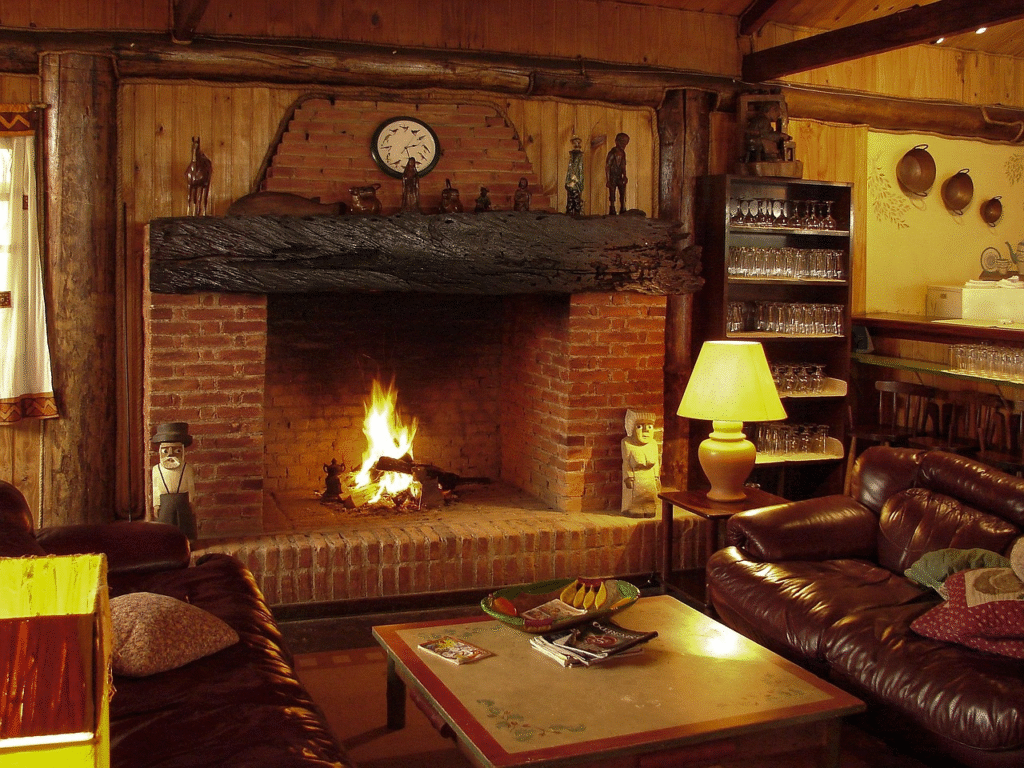
You use your fireplace regularly, especially during the cold months, so finding black residue inside should be normal. Yes, it is normal, but not when soot begins to build up and spread throughout your firebox and beyond. It is not normal when there is an unusual smell and stains are everywhere. Visible signs of soot include black, powdery stains on surfaces, a strong unpleasant smoky smell, and, in gas fireplaces, reduced heat efficiency. This is when you need to pay attention to what’s happening inside your fireplace and chimney.
Fireplace soot often indicates that something else is going on with your fireplace; it’s not just a cleaning or maintenance issue. It is a sign of a serious problem that needs to be resolved immediately. Addressing the problem is essential for the safety of your home and your family.
Aside from affecting the efficiency of your system, excessive soot from the fireplace can also compromise your home’s safety, how it smells, and its overall safety. Thus, it’s important to know what to do—what’s normal and not for fireplaces, what should be done, and what should be avoided. Addressing soot buildup early provides the benefit of improved safety and optimal fireplace performance.
This article will guide you through what to do when there is soot buildup in your fireplace—including the signs to pay attention to, the causes, risks, prevention tips, and how to clean the system.
Understanding Fireplace and Chimney Soot
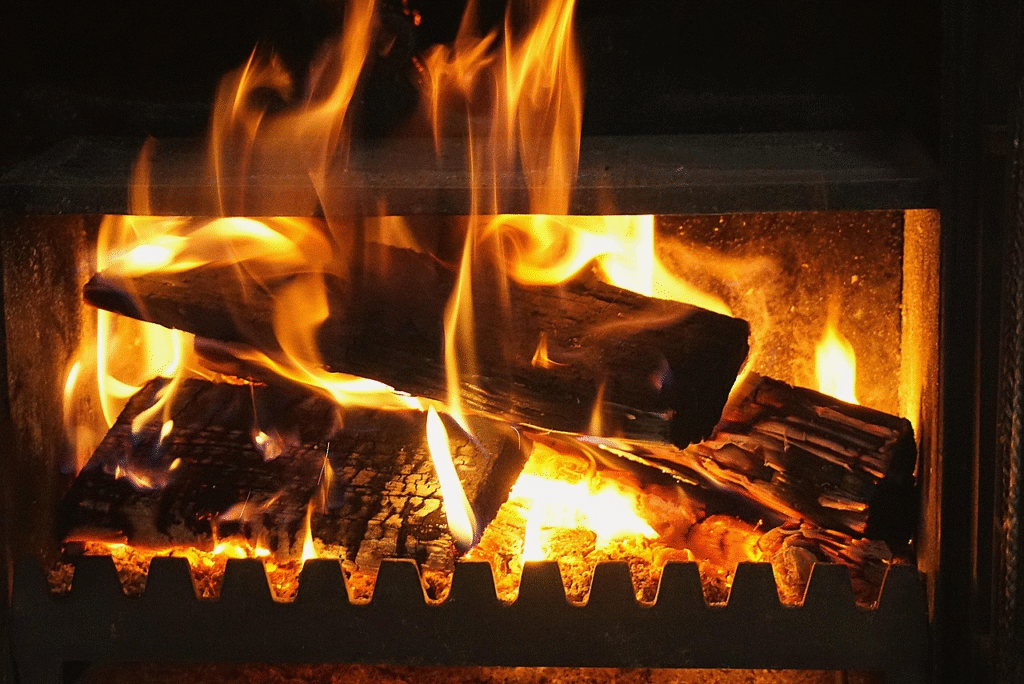
Soot develops as a result of the incomplete burning of fuel, such as propane, gas, or wood in fireplaces. Made of carbon particles, it appears as a fine black powder. An efficient combustion turns fuel into gases and heat, but if the fuel does not completely burn, smoke will carry leftover particles and settle onto cooler surfaces.
Soot is primarily formed when there is incomplete combustion of the fuel due to an imbalanced air-to-fuel ratio.
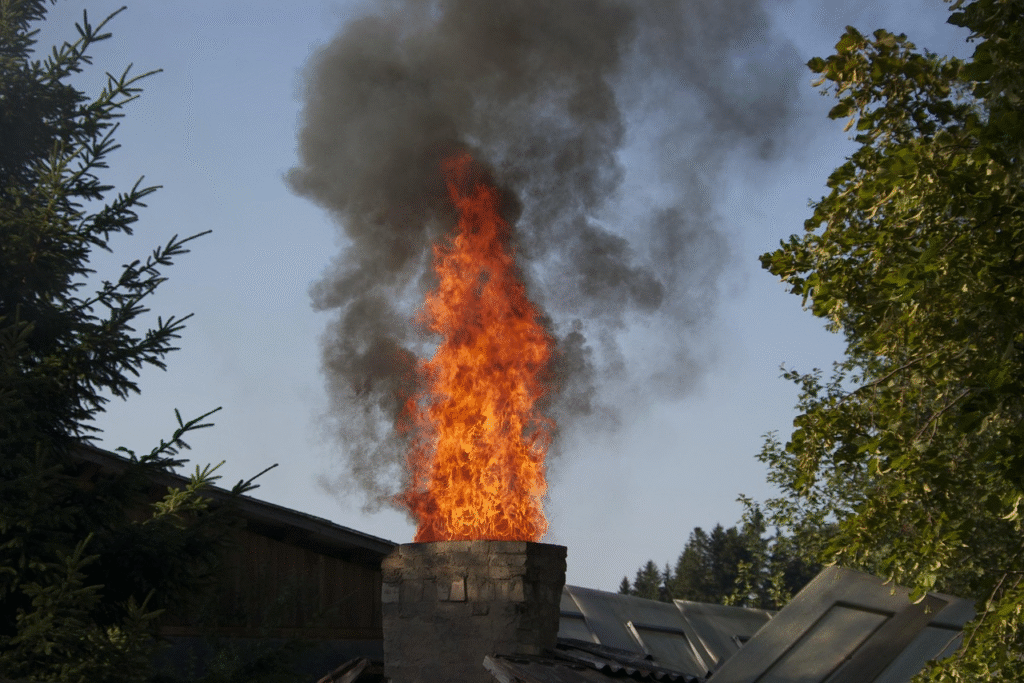
A fireplace and chimney with soot can be a safety risk.
Inside the fireplace and chimney, soot often sticks to stone, brick, chimney liners, glass doors, and metal fireboxes. It may be lighter than creosote but it clings easily, especially on surfaces that absorb particles and moisture. Once it builds up, soot can be difficult to remove.

In addition, soot can signify that there are bigger issues you need to tend to, including irregular maintenance, the wrong fuel, and airflow problems. Soot buildup can also indicate the presence of cracks in the fireplace or chimney, which can be a safety hazard. So it’s more than just an issue; it is a warning sign.
What Causes Heavy Soot Buildup?
Heavy soot buildup does not develop out of thin air. There is always an underlying cause, which is one of the first things you need to understand if you want to effectively prevent or stop soot from damaging your fireplace system.
Burning artificial logs or green and unseasoned wood can cause creosote to build up quickly, increasing the risk of soot and chimney fires.
Here are some of the common causes of heavy soot buildup, and maintaining your fireplace system is essential for preventing soot buildup:
Materials That Create More Soot
The amount of soot that your fireplace produces depends largely on the type of materials that you burn. For example, if you burn unseasoned or wet firewood, you’ll get a lot of smoke and residue because it lessens fire temperature as it contains moisture. Using wood with high moisture content (over 20%) causes lower fire temperatures, increased smoke, and heavy soot buildup.
Another example is frequently burned softwoods, which can accelerate soot buildup. Treated wood, cardboard, and trash are even more dangerous. They produce chemicals and particles that easily cling to fireplace surfaces, and they can be tough to remove. These materials also lead to greater soot buildup. Only seasoned hardwoods, like oak or maple, should be used for burning as they produce less smoke and soot.
After burning, it is important to remove ashes safely to prevent fire hazards and maintain a clean fireplace.
Airflow and Draft Issues
Fire needs enough oxygen to burn efficiently. With limited airflow, smoke won’t move properly; rather, it will move slowly. Soot will easily settle inside the fireplace and chimney.
Airflow issues are caused by a partially closed damper, structural problems, and debris in the chimney. When smoke cannot rise as it should, it often spreads into the room instead, bringing in soot.
Issues in Gas and Propane Fireplaces
If you think that gas and propane fireplaces are safer, you are wrong. They can create soot, especially when the logs aren’t positioned properly, the vents are blocked, or the burners and controls have accumulated dirt and debris. The first sign of soot buildup is a yellow or flickering flame. The interior walls, glass, and logs will soon be covered with soot if these signs are taken for granted.
Most homeowners may believe that a DIY guide on how to clean propane soot can do the trick, but simple cleaning is not the solution you need for a fireplace with burning issues.
During cleaning, always inspect the gas log set for any signs of damage, cracks, or malfunction.
Irregular or Non-Existing Maintenance
Your fireplace may be functioning well, but this doesn’t mean that it won’t need routine inspections. Residue can develop over time, and even if the soot deposit is not visible, it can slowly appear and build up over time. For example, what you thought was a light coating can be soot buildup that can accumulate and spread throughout the system, including the firebox.
Signs That Indicate Soot Buildup
Knowing the warning signs of possible soot buildup is vital in addressing issues before they develop into serious damage. Soot buildup is easier to manage if it is discovered and attended to early on. Here are the most common signs:
- Dark, dusty residue on fireplace doors or firebox wallsSoot that’s still starting to build up appears as a dusty black residue or coating. As it develops, it turns darker and becomes more stubborn, so they’re more difficult to remove. This is particularly true for soot on stone or brick. To address these blackened stains, use a stiff-bristled scrub brush to scrub them off.
- Lingering odor
After you put out the fire, or when it’s long gone, do you smell something different in your fireplace? A smoky odor, perhaps? If this is so, then soot may already be forming in places where they shouldn’t be. These odors often linger and spill over into the other rooms.
- Smoke Coming Into the RoomAs you already know, when smoke does not go completely up the chimney, the soot goes back into the room. This indicates a problem with airflow and draft.
- Soot Keeps Coming BackIf you clean your fireplace regularly and thoroughly but soot reappears after a few days, there is an underlying problem that has not been resolved, including ventilation and using the wrong fuel.
After cleaning, make sure to remove any remaining residue to prevent further buildup and lingering odors.
Why Fireplace Soot Shouldn’t Be Ignored
Like any problem, fireplace soot should not be ignored even if it’s still in its early stage. If you take it for granted, it can affect fireplace surfaces and can spread to other areas over time. If left unattended, its particles can go airborne when the fireplace is in use, or while you’re cleaning the system. When this happens, expect the quality of your indoor air to be affected. The particles can also irritate your lungs.
You should also be concerned about creosote, which often develops alongside heavy soot. Soot is not as dangerous as creosote, but with creosote being highly flammable, you should pay extra attention and care to your fireplace to avoid chimney fires. A clean chimney helps your fireplace burn more efficiently and prevents chimney fires.
Additionally, the presence of soot in your living area may leave permanent stains on masonry or discolor your home’s metal components. You may also need to mask the unpleasant odor that soot typically leaves in materials around the room. The stains and the odor can be a challenge to eliminate, especially once they’ve been there a long time. Regular cleaning and maintenance enhance the safety and efficiency of your fireplace.
Full Service Chimney offers comprehensive services including chimney sweeping, inspection, and repair. Professional repair is essential for restoring the safety, functionality, and longevity of your chimney and fireplace system.
Why You Shouldn’t Clean Soot With Fire
Fire is not a good cleaning choice for soot. While some homeowners would swear that a hotter fire would remove soot, this practice is dangerous.
Soot and creosote do not burn off evenly. If they get too hot, they can cause a chimney fire. These fires are extremely hot and can damage the bricks, stones, crack the liners, and weaken the chimney, making it unsafe.
Even if it’s only intense heat and there is no fire, soot can still stick to surfaces. So it’s better to be safe than sorry. Do not use fire to remove soot no matter how challenging the task can be. There are safer and more efficient ways, such as improving airflow and deep physical cleaning.
Safety Precautions Before Cleaning Soot
Before you begin cleaning soot from your stone fireplace, wood stove, or chimney, it’s essential to put safety first. Soot removal can expose you to fine dust, harsh cleaning solutions, and even the risk of spreading soot stains throughout your home if not handled properly. Taking the right precautions will help protect both your health and your living space.
Start by gearing up: always wear gloves to protect your hands from irritation and harsh chemicals, and use eye protection to shield your eyes from airborne soot and cleaning solution splashes. Make sure the room is well ventilated—open windows or use fans to keep fresh air circulating and to minimize the buildup of fumes from cleaning solutions like ammonia or soap.
Before applying any cleaning solution, carefully read the product instructions and mix according to the recommended dilution ratio. It’s a good idea to test your chosen solution on a small, hidden area of brick or stone to ensure it won’t cause discoloration or damage. When you’re ready to begin cleaning soot, start by removing loose soot and dust using a vacuum with a brush attachment or a soft-bristled brush. This step helps prevent soot from becoming airborne and makes the rest of the cleaning process more effective.
To tackle soot stains, mix hot water with a mild soap and pour the solution into a spray bottle. Spray the affected area and let it sit for a few minutes to loosen the soot buildup. Use a scrub brush to gently scrub the area, then rinse with warm water and wipe away any remaining residue with a lint-free cloth. For stubborn soot stains, you can create a more abrasive cleaning paste by mixing baking soda with water. Apply the paste, let it sit, then scrub and rinse as usual.
Regular cleaning and maintenance of your fireplace, stove, and chimney are key to preventing heavy soot buildup and reducing the risk of chimney fires. Schedule an annual inspection and cleaning with a professional chimney sweep to ensure your system stays safe and efficient. For additional information on cleaning soot, recommended cleaning solutions, or professional services, don’t hesitate to search online or consult with a fireplace expert.
By following these safety precautions and using the right cleaning techniques and tools, you’ll protect yourself, your home, and your fireplace—ensuring a cozy, clean, and safe environment for everyone.
Preparing for Soot Removal
Before you begin cleaning soot from your stone fireplace or wood stove, it’s crucial to set the stage for a safe and effective cleaning process. Start by protecting your room—lay a drop cloth around the fireplace or stove to catch any falling soot, dust, or cleaning solution spills. This simple step helps prevent soot stains on your floors and furniture, making cleanup much easier.
Safety should always come first. Wear gloves to protect your hands, and use eye protection to shield your eyes from airborne soot particles. Make sure the area is well ventilated by opening windows or using fans, especially if you’ll be working with any cleaning solution or products that contain ammonia. This will help maintain good air quality and keep fumes at bay.
Next, remove any loose soot or dust from the fireplace, stove, or chimney using a vacuum with a brush attachment. This step helps keep soot from becoming airborne and makes the rest of the cleaning process more efficient. If you have a chimney, it’s wise to have a professional chimney sweep inspect and clean it before you begin. This not only helps remove accumulated soot but also reduces the risk of chimney fires and ensures your system is in good working order.
Gather your cleaning tools and materials before you begin. You’ll need a scrub brush, a lint-free cloth, a spray bottle, and a cleaning solution designed to remove soot. For stubborn soot stains on brick or stone, you may need to use a more abrasive technique, such as mixing soap with hot water or using a solution that contains ammonia. Always follow the manufacturer’s instructions for any cleaning product, and test it on a small, inconspicuous area first to avoid damaging your fireplace or stove surfaces.
Regular cleaning and maintenance are key to preventing heavy soot buildup and keeping your fireplace or wood stove cozy and safe. By preparing properly and using the right tools and techniques, you’ll make the job easier and more effective. For additional information on cleaning solutions, maintenance tips, or professional services, don’t hesitate to search online or consult with a chimney or fireplace expert.
Cleaning Fireplace and Chimney Soot: DIY vs. Professional Help
Most homeowners would know how to handle light soot on their firebox, but it is still important to know how to clean fireplace soot. Some do-it-yourself methods, such as using soft brushes and cleaners to remove surface buildup and protecting metal finishes, stone, and brick, can be enough. More specifically, these methods can remove lingering odors and improve the aesthetics of your fireplace without exposing you to risks. Of course, you have to follow basic safety protocols.
However, DIY cleaning is not advisable for removing stubborn soot that keeps resurfacing or heavy odors and chimney soot. These issues are common signs that there is a bigger problem that you need to attend to. Poor ventilation and drafts, as well as buildup in the flue, will definitely not be resolved through a DIY cleaning. You’ll need to hire professional chimney and fireplace cleaners if you want efficient assessment and the right solutions.
Do not attempt to deep-clean chimney deposits if you do not have the right equipment, because this will only lead to more problems, including flue lining damage, which can lead to more serious issues if not resolved right away.
Additionally, remember that regardless of the task, preparation is always important—and this includes your home. Be sure to wear protective clothing and gloves, cover furniture and floors near the fireplace area, and ensure that the area has good ventilation. Do not brush or sweep, as doing so can drive fine soot particles up into the air, which means you and your loved ones can easily inhale them.
Following safety precautions will help you properly manage soot and prevent it from turning into a deeper, more dangerous problem.
Tips on How to Safely Clean Soot Out of a Fireplace
Before you begin cleaning, always wait until the fireplace, ashes, and any gas logs are completely cool to the touch to ensure safety and prevent burns.
Learning how to clean soot off inside of fireplace surfaces safely is important. It’s not something that you can do overnight, but there are tips that you can follow. However, you have to first keep in mind that being gentle and patient will help.
Gentleness and patience are also the best way to describe the safest methods for cleaning soot:
- Step number one is to vacuum loose soot. You can loosen residue with the help of a damp cloth or a soft brush. After vacuuming, use a shovel or trowel to scoop the ashes into a metal bucket for safe disposal. Always wear rubber gloves and protective eyewear when cleaning soot from your fireplace.
- For cleaning solutions, mix one ounce of table salt, one ounce of soap, and enough water to create a cream mixture for cleaning soot. Use a cup to measure ingredients for cleaning mixtures, such as one cup of vinegar or half a cup of household ammonia, and mix thoroughly. Dip a sponge into your chosen cleaning solution and gently scrub the soot from surfaces.
- If you want the hardest, deepest stains to disappear, you have to know how to clean black soot from inside fireplace walls—and you can do this effectively if you clean in layers instead of aggressively scrubbing the affected areas. For heavy soot, use a solution of trisodium phosphate (TSP) mixed with water, while wearing gloves and ensuring good ventilation.
- For fireplace glass, use fine wood ash as a mild abrasive with damp paper towels or a specialized cleaner. For porous surfaces, dish soap mixed with water and sprinkled salt can act as a mild abrasive.
- Step number two is to learn how to remove fireplace soot from metal doors or trim, and you need to follow the same process. Stick to gradual, controlled cleaning. Don’t be too aggressive if you want to successfully stop soot from spreading.
- After scrubbing, rinse off the masonry and rinse away the residue with warm water. Spray cleaning solution onto surfaces and finish by wiping them clean with a cloth or squeegee to remove residue and achieve a streak-free finish.
- Step three is knowing how to clean soot out of fireplace openings, which means regularly vacuuming throughout the process. This can significantly help keep soot controlled and your living areas safe.
Soot Cleaners and Home Remedies for the Fireplace
Finding the right product for cleaning your fireplace is not easy, especially when you are faced with multiple options. There are too many products that are branded as a fireplace soot cleaner, but a simple home remedy may be what you need if you’re dealing only with light soot. Popular and effective options include baking soda paste and diluted vinegar. Vinegar can help cut through remaining soot residue and reduce smoky odors when cleaning fireplace bricks, making it especially effective for thorough cleaning.
You may also look for a fireplace soot remover, which can be useful for removing stubborn stains, particularly on glass.
Regardless of which product you choose, your choice should be what works best if you need to remove fireplace soot without damaging anything in the system. It is important to remove all remaining residue to ensure a thorough cleaning and prevent future odors or buildup.
To ensure that you chose the right product, ask for permission from the store personnel to test the cleaner first. You can do the test on a decorative stone or an older brick to get a definitive result.
A Helpful Reminder for Preventing Soot Buildup
Preventing soot buildup should not be a one-time thing. It should be something you’ll do consistently, especially if your fireplace and chimney are prone to soot. Always keep in mind the following:
- The best way to prevent soot is through cleaner burning. Choose only dry, seasoned wood. Do not burn household debris. Always ensure that the damper is completely open before you light the fireplace.
- Ensure that flames are adjusted correctly and that burners are always clean. This is possible only if your fireplace (whether gas or propane) undergoes regular inspections. Routine maintenance is vital for identifying small issues and resolving them before soot buildup increases and becomes a major problem.
Keep Your Fireplace Clean, Ensure Safety and Comfort
A heavy soot buildup in your fireplace can be a serious issue that needs your immediate attention. It is not something that you should take for granted or consciously forget. Knowing what causes the buildup, what the early warning signs are, and how to clean soot safely will keep your fireplace and home safe.
For soot problems that refuse to disappear despite multiple DIY cleanings, the ideal thing to do is to contact fireplace or chimney cleaners, professionals who are skilled, trained, and experienced in removing even the toughest soot buildups. Getting in touch with the team at TOR Chimney & Fireplace can be a big help for homeowners like you who are want to understand what’s happening to their fireplace and resolving soot issues.
Keeping your fireplace clean is not only about making your home look good. It’s not just about the appearance. A clean fireplace offers safety, adds comfort, makes your fireplace easy to use, and gives you confidence every time you light it.